
Exploring Bhaktapur – A Journey Through Nepal’s Ancient City
A Walk Through Time: Bhaktapur’s Ancient Streets
Walking through Bhaktapur feels like stepping into a living museum. The narrow cobbled streets guide you past centuries-old brick buildings, carved wooden windows, and ancient courtyards that have witnessed generations of daily life. Every street corner in Bhaktapur tells a story, and the city’s charm lies in its quiet, timeless rhythm. Unlike the busy streets of modern cities, Bhaktapur invites travelers to slow down, look around, and notice the small details that reveal its rich history.
Durbar Square is one of the first places most visitors see. The square is surrounded by magnificent temples, palaces, and statues, each built with intricate craftsmanship that has lasted for hundreds of years. Walking through Durbar Square, you can sense the pride of the Newar artisans who built these structures and the care taken to preserve them. The stone statues and carved wooden windows show skill and patience that modern builders rarely match.
A few steps away, Pottery Square offers a glimpse into traditional life that has continued for centuries. Here, local potters shape clay on spinning wheels, creating bowls, pots, and other items in the same way their ancestors did. Visitors often pause to watch the process, seeing the careful hands shaping soft clay into perfect forms. The earthy smell of wet clay mixes with the warm sunlight, creating an atmosphere that is both alive and calm. Children sometimes run around the square, playing near the kilns and adding energy to the old setting.
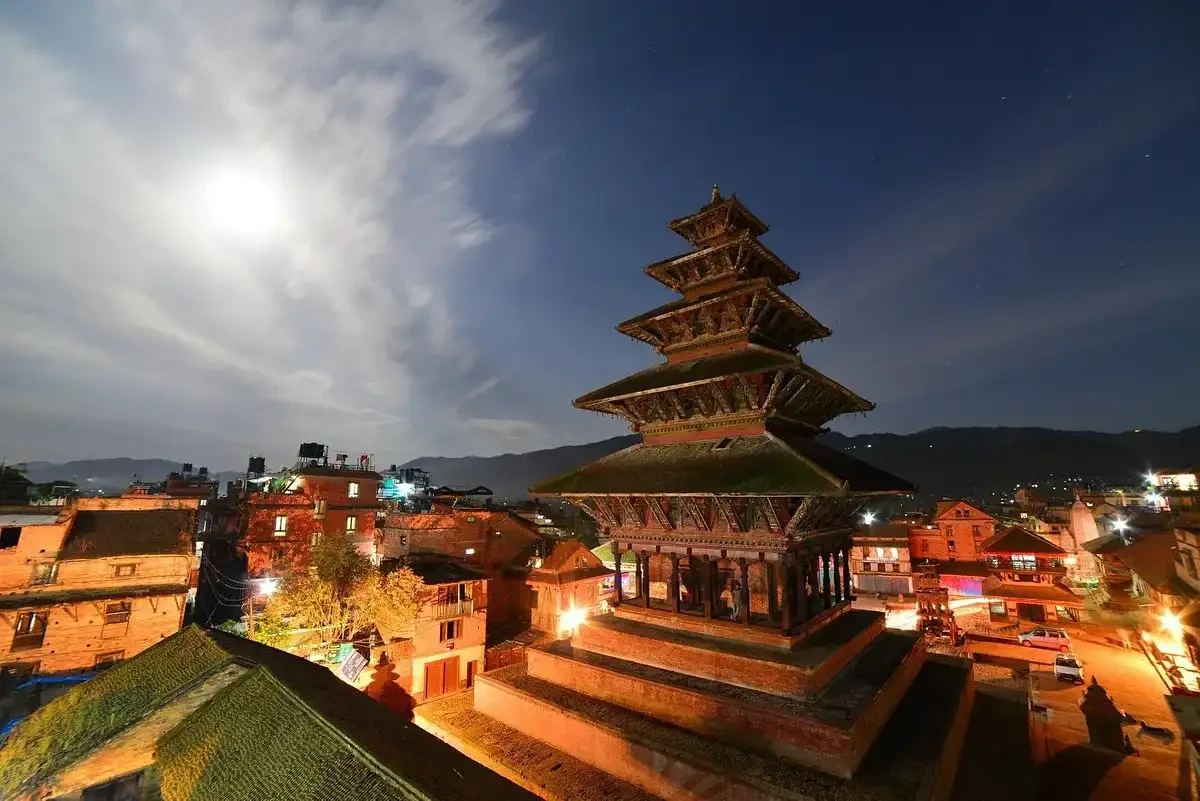
Taumadhi Square is another highlight of Bhaktapur. It is home to the famous five-story Nyatapola Temple, which towers above the surrounding streets. From its base, you can look up and feel the scale and beauty of traditional Nepalese architecture. The streets around Taumadhi Square are lined with shops selling handmade crafts, masks, and souvenirs. Walking through these lanes, you can see the vibrant colors of painted windows and the small shrines tucked into corners of old houses.
As you move deeper into Bhaktapur, the streets narrow, and the city feels more intimate. Small courtyards hide behind wooden gates, and each one seems to have its own story. People still live and work in the same patterns as they did hundreds of years ago, maintaining traditional ways of life. The rhythm of daily life, the sound of children playing, and the occasional ringing of temple bells make Bhaktapur feel like a city that is both ancient and alive at the same time.
Even a short walk through Bhaktapur allows travelers to connect with history and culture in a way that is rare. The streets, squares, and temples are not just monuments to the past but living parts of the community. Every step through Bhaktapur offers a chance to see the beauty of craftsmanship, the depth of tradition, and the quiet life that has survived centuries of change.
Temples, Pagodas, and Spiritual Wonders
Bhaktapur is a city where temples and pagodas rise from every corner, showing the deep spiritual life of its people. One of the most famous is Nyatapola Temple, standing five stories tall in Taumadhi Square. Its height and design make it the tallest pagoda in Nepal, and the wooden carvings on its doors and struts are filled with stories of gods, animals, and local legends. Visitors can feel the care and devotion poured into every detail, and the temple remains a place where locals come to pray, celebrate, and honor tradition.
Another important site is Vatsala Temple, located in the heart of Bhaktapur. Its stone architecture is simple but powerful, and it holds a sacred bell that is rung during festivals and ceremonies. During celebrations like Bisket Jatra or other local rituals, Vatsala Temple becomes a center of activity, with music, dances, and offerings filling the square. Watching the temple during these times gives a sense of how Bhaktapur’s spiritual life is still alive and connected to the rhythms of the community.
Bhaktapur Durbar Square is surrounded by several temples, each with its own story. From the Taleju Temple to smaller shrines tucked between old houses, the square is a collection of art, faith, and history. The carved wooden windows, stone statues, and intricate doors are not only beautiful but also represent the devotion of generations of craftsmen. Local priests perform daily rituals here, and visitors can hear the soft chanting of prayers mixed with the ringing of bells and the flutter of prayer flags in the wind.
Walking through Bhaktapur, it is easy to notice how temples are woven into the daily life of the city. People bring offerings, light butter lamps, and gather in courtyards for small ceremonies. Even in quiet moments, the temples feel alive, filled with the presence of devotion, storytelling, and tradition. The architecture, from tiered pagodas to simple shrines, reflects the unique Newar culture that has shaped Bhaktapur for centuries.
Festivals in Bhaktapur are often centered around these sacred sites. During major events, streets are decorated, music plays, and locals wear traditional clothes, giving visitors a chance to experience spiritual life in a personal way. Nyatapola Temple and other pagodas serve as stages for dances, rituals, and community gatherings that make the city feel both historic and present at the same time.
The temples of Bhaktapur are more than just monuments. They are living spaces that connect the past to the present, offering insight into the culture, faith, and daily life of the people who call this city home. Walking from one temple to another, visitors can feel the harmony between architecture, nature, and spiritual practice, making Bhaktapur a unique destination for travelers who want to see both history and culture in action.
Taste of Bhaktapur: Food and Local Delights
Bhaktapur is not only a city of history and temples but also a place where food tells stories of culture and tradition. One of the most famous treats here is Juju Dhau, or King Curd. This thick, creamy yogurt is made with pure buffalo milk and has a rich, slightly sweet flavor that feels like a special gift from the city. A spoon of Juju Dhau is not just dessert — it is a taste of Bhaktapur’s rich heritage, passed down through generations of Newar families. Visitors often stop in small shops around Durbar Square just to enjoy this local delight.
Local markets in Bhaktapur are full of traditional sweets and snacks. From Yomari, a steamed dumpling filled with sweet sesame and molasses, to Lakhamari, a crunchy sweet made for festivals, each bite reflects the flavors and customs of the city. Walking through these markets, you can smell the sweet and spicy aromas of fresh ingredients, see local women preparing sweets in tiny shops, and sometimes even get invited to taste samples. The markets are lively but calm enough to enjoy the food slowly while watching daily life continue around you.
Newari cuisine is another way to experience the taste of Bhaktapur. Small eateries and family-run restaurants serve dishes like chatamari, a rice flour pancake with eggs and spices, or bara, lentil patties often served with a spicy sauce. Eating in these places gives a closer look at how locals live and eat, with simple, fresh ingredients and recipes that have been unchanged for centuries. Sharing a meal here can feel like stepping into a family home, where food is made with care and enjoyed with conversation.
Street food in Bhaktapur adds another layer to the experience. Simple snacks like roasted corn, puffed rice, and momo dumplings are available at corners of squares and along narrow streets. Watching the cooks prepare food in small stoves, while talking to customers, gives a sense of connection with the community. Even a small snack can carry the flavor of Bhaktapur’s culture and tradition.
Exploring the food of Bhaktapur also includes beverages like local herbal teas or sweet milk drinks, often offered in small cups by friendly shopkeepers. These drinks complement the sweets and savory dishes, creating a full taste experience of the city. Sharing a meal or snack while sitting on the edge of a square or under a temple roof lets travelers enjoy the rhythm of life in Bhaktapur.
Food in Bhaktapur is more than just nourishment; it is an introduction to the city’s people, their history, and their culture. Each bite, from Juju Dhau to street snacks, tells a story that makes the experience of visiting Bhaktapur richer and more memorable. Travelers can enjoy not only the taste but also the sights, sounds, and smells that make the food of Bhaktapur unique.
Art, Craft, and Local Life
Bhaktapur is a city where art and everyday life come together in a way that feels alive. Walking through the streets, you can see local artisans working in small workshops, carrying on traditions that have lasted for centuries. One of the most visible crafts in Bhaktapur is pottery. In Pottery Square, men and women shape clay on spinning wheels, creating pots, bowls, and other items. Watching a potter shape clay on a wheel makes you feel connected to centuries of skill and patience. The spinning wheel, the wet clay, and the careful hands all move together to create something both beautiful and useful.
Wood carving is another important craft in Bhaktapur. Many local artisans carve intricate designs into doors, windows, and furniture. The patterns often tell stories from history, religion, or local life. Walking through old streets, you can see carved windows on homes and temples, each one unique and full of detail. Some shops allow visitors to watch the carvers at work. It is a quiet, focused art, and seeing it being made helps you understand the time and care that goes into Bhaktapur’s traditional architecture.
Mask-making is also a special part of Bhaktapur’s culture. Brightly painted masks are used in dances and festivals, representing gods, demons, or animals. Local craftsmen make these masks with careful attention to color, shape, and expression. Watching the creation process shows how culture and daily life are connected in Bhaktapur. These masks are often displayed in small shops or sold as souvenirs, giving travelers a chance to take a piece of the city’s artistry home.
Markets in Bhaktapur are full of these handmade crafts. Walking through them, you can see wooden carvings, pottery, textiles, and jewelry displayed in small stalls. The markets are lively but personal, and talking with local vendors gives a sense of community. Many artisans are happy to explain their work and show how it is made. Visitors often find themselves learning about techniques and traditions while simply exploring the streets.
Local life in Bhaktapur is closely tied to these crafts. Families continue the traditions learned from their parents, and children often help in workshops from a young age. Daily life moves at a slower pace, with people stopping to talk, share food, or practice their art. Sitting near a workshop or market, you can watch life continue naturally, with a mix of work, culture, and conversation. The streets feel like an open gallery, where the city itself becomes a museum of living art.
Bhaktapur shows how craft, culture, and daily life can exist together in harmony. Every workshop, carved window, and painted mask is part of the city’s story. Travelers who explore these streets can see the connection between skill, tradition, and community that has shaped Bhaktapur for hundreds of years. The city invites visitors to not only observe but also feel the energy of a place where art is part of life.
Trekking and Scenic Spots Nearby
Bhaktapur is not only a city full of history, culture, and art, but it is also surrounded by hills and green landscapes that make it a great place for short treks and scenic walks. After exploring the narrow streets and busy squares of Bhaktapur, a short hike to the nearby hills offers a quiet escape from the city and a chance to see the area from a new perspective. From these elevated viewpoints, the city looks like a living painting, with brick buildings, temples, and pagodas arranged neatly among the green fields.
One popular trail starts just outside Durbar Square and leads up to small villages on the surrounding hills. The path winds through terraced fields, small farms, and forests, allowing trekkers to see local life along the way. Farmers work in the fields, and children wave from their homes, adding a personal touch to the hike. Along the trail, you can also see traditional stone walls, small shrines, and resting spots where travelers pause to enjoy the view or take photos of Bhaktapur below.
Another scenic spot near Bhaktapur is the hilltop near Nagarkot, which is only a short drive or trek from the city. While Nagarkot is known for sunrise views of the Himalayas, the trails leading from Bhaktapur to nearby vantage points offer quieter experiences. Walking through these trails, you can hear birds singing and feel the gentle breeze on your face. The combination of green forests, terraced hills, and distant mountains makes it an ideal area for nature lovers and photographers.
Even shorter walks around Bhaktapur’s outskirts provide wonderful views. Small paths through local villages let visitors see how people live while enjoying natural scenery. Traditional houses with carved windows, small gardens, and cows grazing in fields create a peaceful setting. These walks are not difficult, making them suitable for families, casual travelers, or those who want a slow, relaxing experience after a day of exploring the city.
For those who enjoy cultural experiences along with trekking, the hills around Bhaktapur are also home to small temples and pagodas. Visiting these during a walk allows travelers to combine sightseeing, exercise, and spiritual moments. Local residents often stop by these sites to pray or leave offerings, giving trekkers a chance to observe living traditions while enjoying the scenery.
Whether you take a short hike or a longer walk through the hills, the areas around Bhaktapur provide a perfect mix of nature, culture, and peacefulness. From terraced fields to quiet temples and hilltop views, each step gives a deeper connection to the city and its surroundings. Trekking near Bhaktapur allows travelers to see the city from above, breathe fresh air, and experience the calm side of Nepal that lies just beyond the busy streets.
Travel Tips for Visitors
Bhaktapur is best explored on foot, so wear comfy shoes and let yourself wander without rush. The city’s cobbled streets and narrow alleys are made for walking, and many of the best sights, like Durbar Square, Pottery Square, and Taumadhi Square, can be easily reached by strolling through the old neighborhoods. Walking also allows you to notice small details, like carved windows, local shops, and hidden temples, which can be missed when traveling by vehicle.
The best time to visit Bhaktapur is during the spring and autumn months. From March to May, the weather is mild, and the streets are bright with flowers and greenery. During September to November, the skies are clear, providing great views of the surrounding hills and temples. Summer months can be warm, and the monsoon season from June to August brings heavy rain, which may make the streets slippery and some outdoor sites less enjoyable. Winter can be chilly, but it is also a quiet time to explore the city with fewer tourists.
Entry fees apply to some main attractions in Bhaktapur. Durbar Square, for example, requires a ticket, which helps maintain the historic buildings and support local conservation efforts. Small temples and squares often have no fee, but it is respectful to observe any signs and follow rules when entering sacred spaces. Visitors should also be mindful of photography rules, especially inside temples and during religious ceremonies.
Local etiquette is important to make your visit respectful and enjoyable. Bhaktapur is a living city, so be aware that people live and work in the same streets you are exploring. Asking permission before taking photos of people, temples, or festivals is appreciated. When entering religious sites, dress modestly and remove shoes where required. Greeting locals with a smile and showing interest in their crafts or traditions is often met with friendliness and can create meaningful interactions.
Transportation to and around Bhaktapur is simple. From Kathmandu, it is about a 30- to 45-minute drive, depending on traffic. Taxis, shared jeeps, and private cars are common ways to reach the city. Once inside Bhaktapur, most visitors prefer walking, but bicycles are also an option for longer distances. Using public transport or walking allows you to see the city at a slower pace and experience the local rhythm of life.
Carrying water, snacks, and a small map or guide can be helpful while exploring. Streets can be winding, and some attractions are tucked behind alleys, so having basic directions makes the visit easier. It is also good to carry cash, as many small shops, eateries, and craft markets do not accept cards. Simple preparation ensures that your time in Bhaktapur is comfortable and enjoyable.
Bhaktapur is a city where history, culture, and everyday life come together. Following these practical tips helps travelers explore the city fully, enjoy the sights, and connect with the people and traditions that make Bhaktapur unique.