

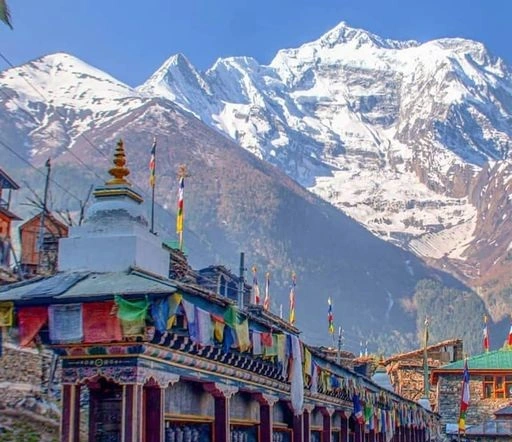
Pisang Village Guide – Upper vs Lower Pisang on the Annapurna Circuit Trek
Where is Pisang Village?
Pisang is a small mountain village on the famous Annapurna Circuit Trek in Nepal. It sits between two important stops: Chame and Manang. Most trekkers reach Pisang after walking for a few days from the starting point of the trek. This village is an important place to rest, adjust to altitude, and decide the next route.
Pisang is located at an altitude of about 3,300 meters (10,824 feet) above sea level. At this height, the air becomes thinner, and your body starts to feel the change. This is why many trekkers take their time here. Walking slowly and resting in Pisang helps the body prepare for higher places like Thorong La Pass.
The village is divided into two parts: Upper Pisang and Lower Pisang. Lower Pisang lies near the main trail and river, making it easier to reach after a long day of trekking. Upper Pisang is located higher on the hill. It takes a short but steep climb to get there, but the reward is wide mountain views and a quieter environment. Both parts of Pisang offer teahouses, food, and a place to sleep, but the experience feels slightly different in each.
One of the most special things about Pisang is the big change in landscape. Before reaching here, the trail passes through green forests, pine trees, and small villages. But as you arrive in Pisang, the scenery starts to look more dry and open. The land becomes wider, the trees become fewer, and the mountains feel closer. This change happens because you are moving closer to the rain shadow area near the Himalayas, where there is less rainfall. It almost feels like stepping into a different world within the same trek.
Trekkers often remember Pisang as the place where the true Himalayan feeling begins. Snow-covered peaks like Annapurna II and Annapurna IV become more visible and stand tall above the valley. The air feels cooler, and the environment becomes quieter and more peaceful.
Another important reason why trekkers stop at Pisang is for acclimatization. At 3,300 meters, your body needs time to adjust to the altitude. Staying here helps reduce the risk of altitude sickness as you move toward higher places like Manang. Many trekking guides also suggest choosing the right route from Pisang, either through Upper Pisang or Lower Pisang, depending on your fitness and time.
Pisang is also a route decision point. From here, trekkers can choose to go on a higher trail through villages like Ghyaru and Ngawal, or take the lower and easier path along the valley. This choice can affect your trekking experience, views, and how well your body adjusts to the altitude.
Because of its location, altitude, and natural beauty, Pisang is more than just a stop on the trail. It is a place where trekkers rest, observe the changing landscape, and prepare for the next stage of the journey.
Upper Pisang vs Lower Pisang: Key Differences
When trekkers reach Pisang, one common question comes to mind: should you stay in Upper Pisang or Lower Pisang. Both are part of the same village, but they offer different experiences. Your choice can affect your views, walking difficulty, and how well your body adjusts to the altitude.
Below is a simple comparison to help you understand the difference clearly.
| Feature | Upper Pisang | Lower Pisang |
| Altitude | Around 3,700m | Around 3,200–3,300m |
| Views | Wide panoramic mountain views | Limited valley views |
| Difficulty | Steep climb to reach | Easy and flat access |
| Accommodation | Basic but scenic lodges | More options, slightly more comfortable |
| Culture | Strong Tibetan influence, monastery | Less cultural depth |
Altitude Difference
The first difference is the altitude. Upper Pisang is located higher on the hillside, about 400 meters above Lower Pisang. This may not sound like much, but at high altitude, even a small gain matters. Staying higher can help your body slowly adjust, which is useful before heading toward Manang.
Lower Pisang sits along the main trail near the river. It is easier to reach after a long walk from Chame. Many trekkers who feel tired choose to stop here instead of climbing further.
Views and Scenery
Views are one of the biggest reasons why many trekkers choose Upper Pisang. From here, you can see wide, open landscapes and tall peaks like Annapurna II and Annapurna IV. The sunrise and sunset feel very special from this higher point.
Lower Pisang, on the other hand, is surrounded by trees and hills. The views are more limited compared to Upper Pisang. You still see mountains, but not as wide and clear.
Difficulty and Effort
Reaching Upper Pisang requires a steep uphill climb of about 30 to 60 minutes. After trekking for 5–6 hours from Chame, this extra climb can feel hard, especially for beginners.
Lower Pisang is much easier to reach. The trail is flat and follows the valley floor. If you are tired, short on time, or not feeling strong, Lower Pisang is a practical choice.
Accommodation and Comfort
Both Upper and Lower Pisang have teahouses where trekkers can sleep and eat. In Lower Pisang, you will find more options and slightly better facilities because it is on the main trail. Rooms may feel a bit more comfortable, and services like Wi-Fi and charging are easier to find.
In Upper Pisang, lodges are more basic. However, they offer something special — quiet surroundings and beautiful views right from your window. Many trekkers feel the peaceful atmosphere here is worth the extra climb.
Cultural Experience
Upper Pisang offers a deeper look into local culture. You can visit a traditional monastery and see Tibetan-style houses. The lifestyle here feels more connected to ancient Himalayan traditions.
Lower Pisang is more focused on trekking traffic. While you still meet local people, the cultural experience is not as strong as in the upper village.
Choosing between Upper and Lower Pisang depends on your goal. If you want better views, cultural experience, and improved acclimatization, Upper Pisang is a strong choice. If you prefer an easier walk and more comfort after a long day, Lower Pisang is more suitable.
Upper Pisang Route: Why Trekkers Choose It
After reaching Pisang, many trekkers face an important choice about which path to take toward Manang. One option is the higher trail known as the Upper Pisang route. This path is more challenging, but it offers better views, deeper cultural experience, and helps your body adjust to the altitude.
The Upper Pisang route begins with a steep climb from the village up to Upper Pisang. From there, the trail continues through small Himalayan settlements like Ghyaru and Ngawal. These villages sit high above the valley and give a wide view of the surrounding mountains and landscape. Walking through these places feels peaceful, with fewer crowds compared to the lower trail.
One of the biggest reasons trekkers choose this route from Pisang is the mountain views. The higher trail offers clear and close views of peaks like Annapurna II, Annapurna III, and Annapurna IV. These mountains rise high above the valley, and from the upper trail, you can see their full shape and beauty. The landscape also feels more open and dramatic, with dry hills, wide skies, and fewer trees.
Another important benefit of taking the Upper Pisang route is better acclimatization. Since the trail goes higher than the lower path, your body gets more time to adjust to the altitude. This is very helpful before reaching Manang, which is located even higher. Trekking slowly and gaining altitude step by step reduces the risk of altitude sickness. Many experienced guides suggest this route for a safer and more comfortable journey in the long run.
However, the Upper Pisang route is not easy. It is more physically demanding than the lower trail. The climb from Pisang to Ghyaru is steep and can feel tiring, especially after already walking for several hours from Chame. The trail continues with ups and downs before reaching Ngawal and then joining the main path again toward Manang. Because of this, the walking day becomes longer and requires more energy.
Trekkers who choose this route should be prepared for a longer trekking day, usually around 6 to 8 hours depending on pace and rest stops. It is important to start early in the morning, carry enough water, and walk at a steady speed. Taking breaks and enjoying the views can also make the journey more comfortable.
This route from Pisang is best suited for fit trekkers who are comfortable with uphill walking and longer days. It is also a great choice for photographers and nature lovers who want to capture wide mountain views and quiet landscapes. The higher path offers many chances to take photos of traditional villages, prayer flags, and snow-covered peaks.
The Upper Pisang route also gives a stronger feeling of local culture. Villages like Ghyaru and Ngawal have traditional stone houses, small monasteries, and a peaceful lifestyle that reflects Tibetan Buddhist culture. Walking through these areas feels different from the busier lower trail.
Choosing the Upper Pisang route is not just about reaching the next stop. It is about experiencing the journey in a deeper way, with better views, better acclimatization, and a closer connection to the mountains and local life.
Lower Pisang Route: Easier & Faster Option
After reaching Pisang, trekkers can choose between the higher route and the lower route toward Manang. The Lower Pisang route is the easier and faster option. It follows the valley floor and stays close to the river, making it a comfortable path for many trekkers.
From Pisang, this lower trail continues along a wide and open valley. The path is mostly flat with gentle ups and downs. Compared to the upper route, there is no long or steep climb at the start. This makes the walk less tiring, especially after a full trekking day from Chame. Many trekkers choose this path because it helps them save energy for the coming days at higher altitude.
One of the main features of the Lower Pisang route is that it follows the valley floor. You walk beside the river, pass through open land, and move through small settlements along the way. The trail is clear and easy to follow, which makes it suitable for those who prefer a simple walking day without much effort.
In terms of distance and time, the lower route is shorter and quicker. Most trekkers take around 4 to 6 hours to reach Manang from Pisang using this path. Because there is less climbing, you can maintain a steady pace without getting too tired. This can be helpful if you are on a tight schedule or if you want to arrive early and rest.
However, the Lower Pisang route is known to be less scenic compared to the upper trail. While you will still see mountains in the distance, the views are not as wide or dramatic. The trail stays lower in the valley, so some of the best viewpoints are missed. You may not get the same close views of peaks like Annapurna II or Annapurna III as you would from the higher route.
Even though the scenery is more limited, the lower path has its own charm. Walking through the valley gives you a sense of the natural landscape, with dry terrain, flowing rivers, and quiet surroundings. It also feels less exposed than the higher trail, which can be helpful for trekkers who are not comfortable with steep climbs or narrow paths.
The Lower Pisang route is a good choice for beginners who are new to trekking in Nepal. It allows them to continue the journey without facing a sudden increase in difficulty. It is also suitable for tired trekkers who may not have enough energy to climb to Upper Pisang after a long day. Choosing the easier path can help them recover and stay strong for the next stages of the trek.
Trekkers who are short on time often prefer this route as well. Since it takes fewer hours to complete, it helps keep the itinerary on track. Some guided groups also take this route if the weather is not clear, as the views from the upper trail may not be visible in cloudy conditions.
While the Lower Pisang route is easier, it is still important to walk at a steady pace and stay hydrated. Even though the trail is not steep, the altitude is still above 3,000 meters, and your body needs time to adjust. Taking short breaks and listening to your body can help you stay comfortable during the walk.
Choosing the lower route from Pisang is about making your trek manageable and safe. It offers a simple and steady path forward, helping you continue your journey through the Annapurna region with less physical strain.
Chame to Pisang Trek (Day Experience)
The walk from Chame to Pisang is one of the most enjoyable days on the Annapurna Circuit Trek. It is not too hard, but it shows a big change in scenery and brings you closer to the high mountains. This day helps trekkers move deeper into the Himalayas while slowly gaining altitude.
The distance from Chame to Pisang is around 13 to 15 kilometers. Most trekkers complete this section in about 5 to 6 hours, depending on walking speed and rest stops. The trail is well marked and easy to follow, making it a comfortable day for most people.
The walk starts from Chame, which sits at about 2,700 meters. As you leave the village, the trail enters a peaceful area filled with pine forests. Tall trees line the path, and the air feels fresh and cool. You can hear the sound of the river flowing nearby, which adds to the calm feeling of the walk. This part of the trail is mostly flat, allowing you to warm up your body before the gradual climb begins.
Along the way, you will cross a few suspension bridges. These bridges hang above the river and gently sway as you walk across. For many trekkers, this is a fun and memorable part of the journey. The views from the bridge show the river below and the mountains rising on both sides.
As you continue walking, the forest slowly starts to open. This is where you begin to notice the first close mountain views. Peaks like Annapurna II appear more clearly, standing tall above the valley. This moment often feels special because it is the first time on the trek where the mountains feel very close and real.
The trail from Chame to Pisang has a gradual altitude gain. You move from around 2,700 meters to about 3,300 meters by the time you reach Pisang. The climb is not steep, which makes it easier for your body to adjust. Walking slowly and taking short breaks helps you stay comfortable during this increase in height.
There are also small resting spots and teahouses along the way where you can stop for tea or snacks. These stops are useful to relax, drink water, and enjoy the surroundings. Many trekkers take a lunch break midway before continuing toward Pisang.
As you get closer to Pisang, the landscape begins to change. The thick forest starts to disappear, and the area becomes more open and dry. The valley feels wider, and the mountains look sharper and more rugged. This change in scenery shows that you are entering a higher Himalayan region.
Arriving in Pisang after this walk feels rewarding. The village sits in a beautiful location with mountain views all around. After reaching Pisang, trekkers usually rest, have a warm meal, and prepare for the next day’s journey toward Manang.
This section from Chame to Pisang is an important part of the trek. It is not only about reaching the next stop but also about enjoying the journey, adjusting to the altitude, and experiencing the natural beauty of the Annapurna region step by step.
Altitude & Acclimatization in Pisang
Reaching Pisang is an exciting step on the Annapurna Circuit Trek, but it is also the point where altitude starts to matter more. The village sits at around 3,300 meters, and this is where many trekkers first begin to feel the effects of thinner air. At this height, your body gets less oxygen, and if you move too fast, you may face altitude sickness.
Altitude sickness, also called Acute Mountain Sickness (AMS), can affect anyone, even strong and experienced trekkers. It usually starts with simple symptoms like headache, tiredness, loss of appetite, or trouble sleeping. If ignored, it can become serious. This is why Pisang is an important place to slow down and take care of your body before going higher toward Manang and eventually Thorong La Pass.
One helpful way to adjust better is by staying in Upper Pisang instead of Lower Pisang. Upper Pisang is located higher, around 3,700 meters. Sleeping at a slightly higher altitude can help your body adapt more gradually. This follows a common trekking rule: “climb high, sleep higher slowly.” Many guides suggest this option because it prepares your body better for the next days of trekking.
Choosing Upper Pisang also means you gain extra elevation in a controlled way, without rushing. This small gain can make a difference when you continue toward Manang, which is even higher. Trekkers who adjust well at Pisang often feel stronger and more comfortable later in the trek.
While staying in Pisang, there are a few simple but important habits that help with safe acclimatization.
First, always walk slowly. There is no need to rush in the mountains. A slow and steady pace helps your body use oxygen better. Even if you feel strong, it is better to save your energy and move at a comfortable speed.
Second, drink enough water. At high altitude, your body loses more fluids, and dehydration can increase the risk of altitude sickness. Try to drink at least 3 liters of water in a day. Warm drinks like tea or soup are also helpful and easy to consume in cold weather.
Another key tip is to avoid alcohol. Many trekkers feel tempted to relax with a drink after a long walk, but alcohol can make acclimatization harder. It affects your breathing and can lead to dehydration. It is best to avoid it, especially above 3,000 meters.
Rest is also important. After reaching Pisang, give your body time to relax. Do not push yourself with extra long walks unless your guide suggests a short acclimatization hike. Light activity is fine, but your main focus should be recovery and adjustment.
Listening to your body is very important at this stage. If you feel symptoms like headache or dizziness, inform your guide. Experienced guides know how to respond and will help you stay safe. In some cases, the best solution is to rest or go to a lower altitude if symptoms get worse.
Pisang is not just a stop on the trail. It is a key point where smart decisions about pace, rest, and hydration can make your trek safer and more enjoyable. Taking acclimatization seriously here helps you prepare for the higher and more challenging parts of the journey ahead.
Upper or Lower Pisang: Final Recommendation
When you arrive at Pisang, you need to make a clear choice about your next step on the Annapurna Circuit Trek. Both Upper Pisang and Lower Pisang lead toward Manang, but the experience is very different. This is not just a small decision. It can affect your views, your energy, and how well your body adjusts to the altitude.
If your goal is to enjoy the best mountain scenery and prepare your body for higher altitude, then Upper Pisang is the better choice. The climb to Upper Pisang is short but steep. It may feel hard after a long day from Chame, but the reward is worth it. From the upper village, you get wide and clear views of peaks like Annapurna II and Annapurna III. The landscape feels open, quiet, and more connected to the high Himalayas.
Upper Pisang also helps with better acclimatization. Sleeping at a higher altitude gives your body more time to adjust before going to Manang. This can make the next days easier and safer, especially when moving toward higher points like Thorong La Pass. Many experienced trekkers and guides strongly recommend this route for this reason.
The trail that continues from Upper Pisang through villages like Ghyaru and Ngawal is more scenic and culturally rich. It also gives a more complete trekking experience. However, it requires more effort. You should be ready for longer walking hours and some steep climbs. If you are fit, prepared, and want a deeper mountain experience, Upper Pisang is the right decision.
On the other hand, if your priority is to keep the trek easier and save energy, then Lower Pisang is the better option. This route stays along the valley floor and avoids steep climbs. It is a simple and direct path that is easier on the body. After reaching Pisang, many trekkers feel tired, and taking the lower route helps them recover while still moving forward.
Lower Pisang is also a good choice if you are a beginner, trekking for the first time in Nepal, or not fully comfortable with altitude yet. The easier trail reduces physical strain and allows you to walk at a steady pace. It is also helpful if you are short on time and want to keep your itinerary smooth.
While the lower route is easier, it offers less dramatic views. You will still see mountains, but not as wide or close as from the upper trail. The experience feels more about moving forward than exploring the landscape.
So the choice at Pisang depends on what matters more to you. If you want better views, stronger acclimatization, and a more rewarding trekking experience, go for Upper Pisang. If you want a simpler, easier, and less tiring path, choose Lower Pisang.
This decision point at Pisang is one of the most important on the Annapurna Circuit, and choosing the right path can shape the rest of your journey.
Book Your Annapurna Circuit Trek
The journey through the Annapurna Circuit Trek is one of the most complete trekking experiences in Nepal. It takes you from green valleys to high mountain passes, and places like Pisang become important stops along the way. If you are planning this trek, proper booking helps you travel safely, comfortably, and without confusion.
Our 17 Days Annapurna Circuit Trek package is designed to make your journey simple and well organized. The cost starts from $830, and it includes most of the important services you need on the trail. This is not just a basic package. It is a complete trekking support system that covers your journey from start to finish.
One of the biggest advantages of booking with us is that permits are included. Trekking in the Annapurna region requires official permits, and many travelers find the process confusing. We take care of the ACAP permit and TIMS card for you. This means you can focus on your walk instead of paperwork. When you reach places like Pisang or continue toward Manang, you can travel without stress about documentation.
Another important part of the package is the experienced trekking guide. Our guides are trained, licensed, and familiar with every part of the trail. They know how to manage altitude, weather changes, and safety situations. When you are walking through villages like Pisang or deciding between Upper Pisang and Lower Pisang routes, your guide will help you make the right choice based on your fitness and comfort.
We also include a support team for safety and comfort. Trekking in the Himalayas is beautiful but also challenging. Having a team behind you makes the journey more secure. From helping with accommodation to managing daily logistics, everything is handled so you can enjoy the walk.
The route passes through many important stops, including Pisang, which is a key point on the trek. Whether you are staying in Lower Pisang or climbing to Upper Pisang, you will experience changing landscapes, mountain views, and local culture. Our team makes sure your journey through Pisang is smooth and well-guided.
Safety is always our first priority. The trek takes you to high altitude areas like Thorong La Pass, where proper guidance is important. Our guides are trained in altitude awareness and first aid. They monitor your health and help you adjust your pace when needed. This makes your trekking experience safer and more enjoyable.
The package also includes all major logistics support, such as accommodation during the trek, meals on the trail, and transport between key points. This helps you avoid the stress of planning every detail yourself. You simply arrive and start your journey.
For many trekkers, Pisang becomes one of the memorable stops. The village gives you your first real taste of high Himalayan landscapes. With our support, your stay in Pisang becomes comfortable and well managed, allowing you to focus on the experience rather than arrangements.
Booking your Annapurna Circuit Trek with a trusted team gives you more than just a trip. It gives you confidence, safety, and a well-planned journey through some of the most beautiful landscapes in Nepal.


