
Sunrise Photography in Nepal – Capture Stunning Himalayan Views on Your Tours and Trek
Best Places in Nepal for Sunrise Photography
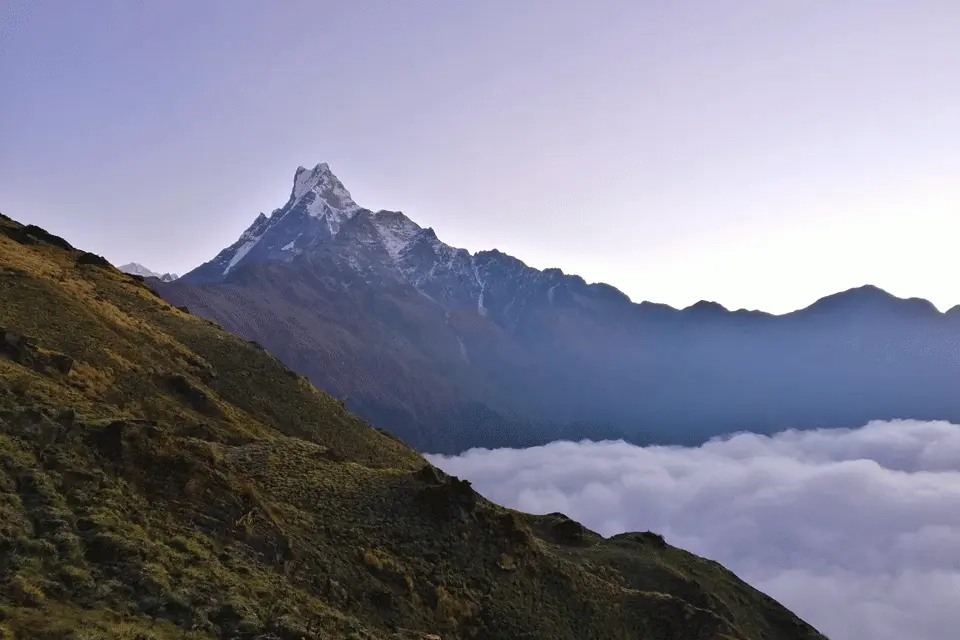
Nepal is one of the best countries in the world for sunrise photography. The Himalayan mountains create a perfect backdrop for capturing early morning light. Among the many places, Poon Hill is very popular. It is part of the Annapurna region and is at a height that allows photographers to see the peaks of Annapurna and Dhaulagiri. The sunrise here turns the snow-covered mountains into soft golden colors, which makes the view very beautiful. Visitors usually start trekking early in the morning or even late at night to reach Poon Hill before the sunrise. Clear weather is important, so autumn and spring are the best times for photography.
Another great spot is Sarangkot, located near Pokhara. It is famous for overlooking Phewa Lake and the Annapurna range. The morning sun reflects on the lake, creating an amazing scene. Sunrise photography here works best when the sky is clear, and photographers can use a wide-angle lens to capture both the mountains and the lake in one shot. Arriving at the viewpoint at least 30 minutes before sunrise gives enough time to set up cameras and get the best angles.
For those who enjoy higher altitude treks, the Everest Base Camp area offers incredible opportunities for sunrise photography. The peaks of Mount Everest, Lhotse, and Nuptse glow in warm colors when the sun rises. Trekking guides often recommend stopping at viewpoints along the trail like Tengboche Monastery or Dingboche early in the morning for smaller yet amazing shots. The weather in these high-altitude areas can change quickly, so checking local forecasts and being prepared for cold conditions is essential for capturing clear sunrise photos.
The Annapurna viewpoints along different trekking trails are also ideal for sunrise photography. Trails like Ghorepani to Tadapani provide several spots where you can see the sun rising above the mountains and valleys. These viewpoints are usually less crowded than Poon Hill, which allows photographers to take pictures without too much disturbance. Early morning trekking in this region not only gives good light for photos but also allows travelers to enjoy the peaceful atmosphere of the mountains.
In all these locations, timing is very important for sunrise photography. The sun rises earlier in winter, so photographers need to wake up early to be ready. In addition, clear skies give the best results, but clouds can sometimes create dramatic effects with colors reflecting on the snow and mountains. Photographers should always check the weather and carry extra batteries because the cold morning air can drain camera power quickly. A tripod is also useful to keep the camera stable, especially for long exposure shots during sunrise.
Nepal offers so many beautiful spots for sunrise photography that every trek can give different experiences. From high mountains to serene lakes and valleys, the combination of early light and natural landscapes makes it a photographer’s dream. With some planning and preparation, capturing the Himalayan sunrise becomes easier and more enjoyable.
Tips for Capturing Perfect Sunrise Photos
Capturing the beauty of the Himalayas during sunrise can be very rewarding, but it requires some preparation and basic photography skills. One important tool for sunrise photography is a tripod. Using a tripod keeps the camera stable, especially in low light conditions when the sun is just rising. This helps avoid blurry photos and allows you to take long exposure shots if needed. Shooting in RAW format is also recommended because it preserves more details and colors, giving more flexibility when editing the photos later.
Adjusting camera settings is another key step. For sunrise photography, setting the right exposure is important because the light can change quickly. Beginners can start with a lower ISO to reduce noise and use a smaller aperture to keep the mountains and foreground in focus. A wide-angle lens is useful to capture both the mountains and the sky, while zoom lenses can help highlight details like peaks or clouds. Learning how to use the camera’s histogram can also help in getting balanced light and avoiding overexposed or underexposed photos.
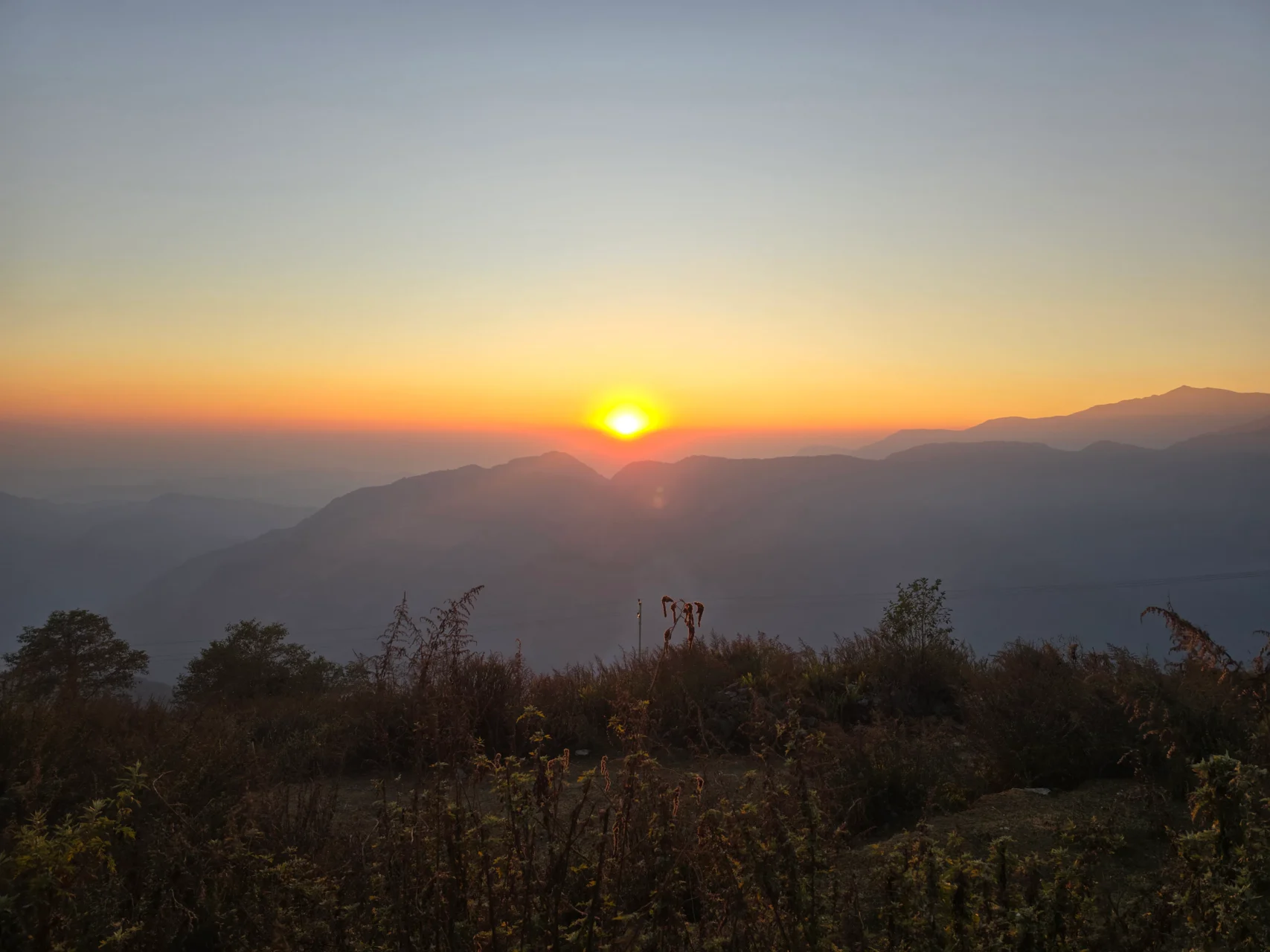
Timing is very important for the golden hour, which is the period just after the sun rises. Arriving early gives enough time to find a good spot, set up your camera, and adjust settings. Using foreground elements, like trees, rocks, or lakes, can add depth to your sunrise photography. This makes the photo more interesting and gives viewers a sense of scale. Watching how the sunlight hits the mountains, valleys, or rivers helps in capturing the changing colors that make Himalayan landscapes so special.
For beginners, there are some simple tricks to make sunrise photography easier. Planning the location in advance and knowing where the sun will rise helps in positioning the camera correctly. Taking multiple shots with different angles and settings increases the chance of getting the perfect photo. Also, being patient is important because the light changes quickly, and sometimes the best colors appear for only a few minutes. Checking the weather before the trek ensures clear skies or interesting cloud patterns that enhance sunrise photography.
Carrying extra camera batteries and memory cards is helpful because cold mornings and long shoots can drain power and storage quickly. Wearing warm clothes and carrying a small backpack with your equipment makes it easier to move around and find the best angles. Observing the light, shadows, and reflections carefully can help in creating photos that feel alive and natural. Practicing these tips during shorter treks or near local hills can build confidence before heading to higher Himalayan viewpoints.
Sunrise photography in Nepal is not just about capturing a moment; it is about showing the unique beauty of the Himalayas. With proper preparation, simple techniques, and careful observation, beginners and experienced photographers can take stunning photos that highlight the colors, peaks, and landscapes. Each sunrise offers a different view, and learning to use light and surroundings effectively makes every photo special.
Best Time of Year for Sunrise Photography in Nepal
Choosing the right time of year is very important for successful sunrise photography in Nepal. The weather and visibility change with the seasons, which directly affects how well you can capture the Himalayan mountains. Autumn, from September to November, is one of the best seasons for sunrise photography. During this time, the skies are usually clear, and the air is fresh after the monsoon rains. The mountains appear sharp, and the morning sunlight lights up the peaks in warm colors. Many trekkers prefer this season because it is also ideal for trekking, with moderate temperatures and stable trails.
Spring, from March to May, is another excellent season for capturing sunrise photos. The weather starts to warm up, flowers bloom along the trails, and the skies are often clear. The rising sun during spring creates soft golden light that enhances the snow on the mountain peaks. Sunrise photography during spring not only shows the mountains but also the beauty of blooming rhododendron forests and green valleys, giving a more colorful scene.
The monsoon season, from June to August, is generally not recommended for sunrise photography. During these months, heavy rainfall often causes clouds and fog, which can block mountain views. The trails may become slippery and dangerous, and visibility can be low for photographers. While some photographers enjoy capturing dramatic clouds, the chances of a clear sunrise view are limited. Safety should always be a priority when planning treks in the monsoon season.
Winter, from December to February, has its advantages and challenges. The skies are usually clear, which is good for sunrise photography, but the temperatures are very low, especially at high altitudes. Trails may be icy, and snow can make some paths difficult to navigate. Photographers must be prepared with warm clothing and proper gear to handle cold conditions. The early sunrise times in winter mean waking up very early, which requires planning and energy for trekking at high altitudes.
For those interested in sunrise photography, planning treks during autumn and spring gives the best chances to capture stunning Himalayan views. These months combine clear skies, good weather, and safe trekking conditions. It is helpful to research the location and check the sunrise time in advance to reach the perfect spot on time. Many photographers also plan to stay at viewpoints for multiple mornings to take advantage of different lighting conditions and weather patterns.
Another tip for timing is to consider the altitude of the trekking route. Higher viewpoints like Poon Hill, Sarangkot, or Everest Base Camp areas may be colder in the morning, but they provide the best opportunities for sunrise photography. Lower trails may have warmer mornings but could be affected by mist or clouds. Understanding the seasonal conditions and the location helps in planning both the trek and the photo session effectively.
Sunrise photography in Nepal is about patience and preparation. Choosing the right season increases the chances of capturing clear, colorful, and breathtaking mountain views. Observing the changes in light during different months gives photographers unique opportunities to highlight the beauty of the Himalayas.
Gear You Need for Himalayan Sunrise Photography
Having the right gear is very important for capturing stunning sunrise photography in the Himalayas. The mountains and changing light require tools that help photographers take clear and detailed pictures. One of the most important pieces of equipment is a DSLR or mirrorless camera. These cameras allow better control over settings like exposure, shutter speed, and focus. They also provide higher quality images compared to standard cameras or smartphones.
A tripod is another essential item for sunrise photography. The early morning light is usually soft, but it can be low, which makes long exposure shots necessary. A tripod keeps the camera stable and helps avoid blurry images. It also allows photographers to experiment with different angles and compositions without worrying about holding the camera steady.
Using the right lens can make a big difference in Himalayan photography. A wide-angle lens is very useful because it captures the mountains, valleys, and sky all in one frame. For capturing distant peaks or details, a zoom lens can also be helpful. Photographers should choose lenses that are lightweight to make trekking easier, as carrying heavy equipment on mountain trails can be tiring.
Extra batteries and memory cards are very important for sunrise photography in the mountains. Cold temperatures can drain batteries faster, so carrying spares ensures that the camera keeps working throughout the morning. Extra memory cards prevent running out of storage when taking multiple shots. Keeping these items in a small, organized bag makes it easy to access gear quickly during a trek.
Some optional equipment can enhance the photography experience. A drone can capture aerial views of the mountains and sunrise, providing a unique perspective. Filters, such as polarizers or neutral density filters, help control light and improve colors in sunrise photography. For travelers who want lighter equipment, modern smartphones with manual camera settings can also take good photos, especially if combined with a small tripod or portable stabilizer.
It is important to consider weight and convenience when carrying gear during a trek. Heavy equipment can slow down the trek and make it harder to reach viewpoints on time. Choosing lightweight and essential gear allows photographers to move freely and reach the best locations for sunrise photography. Organizing the bag with easy-to-reach compartments also helps in changing lenses or adjusting settings quickly as the light changes.
Sunrise photography in the Himalayas depends not only on skill but also on having the right tools. With a good camera, tripod, lenses, and extra batteries, photographers can capture the beauty of the mountains and the warm morning light. Optional tools like drones or filters add creative possibilities, while careful planning of lightweight gear makes trekking easier and more enjoyable. Every morning in the mountains offers a new opportunity to take a perfect photo, and having the right equipment ensures that these moments are captured clearly.
Tips for Enjoying the Moment Beyond Photography
While sunrise photography is a wonderful way to capture the beauty of the Himalayas, it is also important to take time to enjoy the moment without focusing only on the camera. Watching the sun slowly rise over the peaks, feeling the cool morning air, and listening to the quiet of the mountains are experiences that cannot be fully captured in a photo. Taking a few minutes to pause and simply observe the changing light and colors can make the trek more meaningful and memorable.
Many travelers share that some of their most cherished memories come from these moments when they were not behind the camera. For example, trekkers at Poon Hill often describe how the first sunlight on Annapurna and Dhaulagiri made them feel connected to nature. Even though they took pictures, the feeling of standing there and watching the mountains glow stayed with them long after the trek. This shows that sunrise photography can be complemented by simply being present and soaking in the surroundings.
Combining photography with trekking also means balancing time spent taking photos and moving along the trail. Some travelers prefer to reach the viewpoint early, take a few photos, and then spend the remaining time enjoying the sunrise and the view. This approach allows you to capture beautiful shots while also experiencing the peacefulness of the mountains. Focusing only on the camera may cause you to miss small but beautiful details, like the way the morning mist moves through valleys or how the sunlight touches the snow in different shades.
Personal stories from trekkers can help illustrate this balance. One trekker described waking up at 4 a.m. to photograph the sunrise at Sarangkot. They carefully set up their tripod and captured the mountains and the lake in perfect light. After taking the photos, they simply sat on a rock and watched the sun continue to rise, feeling the warmth and calm of the morning. That quiet moment, they said, was more memorable than any picture. Sharing experiences like this can encourage others to not only focus on perfect shots but also enjoy the natural beauty around them.
Another tip is to observe and interact with your surroundings while photographing. Birds, clouds, flowing rivers, or local villagers starting their day can add life to your experience. Watching these details without immediately photographing them gives a fuller sense of the Himalayas. Sometimes, these moments inspire new ideas for sunrise photography later in the day, creating a richer connection to the mountains.
Sunrise photography in Nepal is not just about taking pictures; it is about experiencing the mountains fully. By pausing, observing, and reflecting, travelers can make the sunrise more than just a photo opportunity. Memories formed during these moments can last a lifetime, and the photos taken serve as reminders of the feelings and experiences rather than the only goal of the trek. Combining the art of photography with being present in the Himalayas makes the journey more rewarding and deeply personal.