

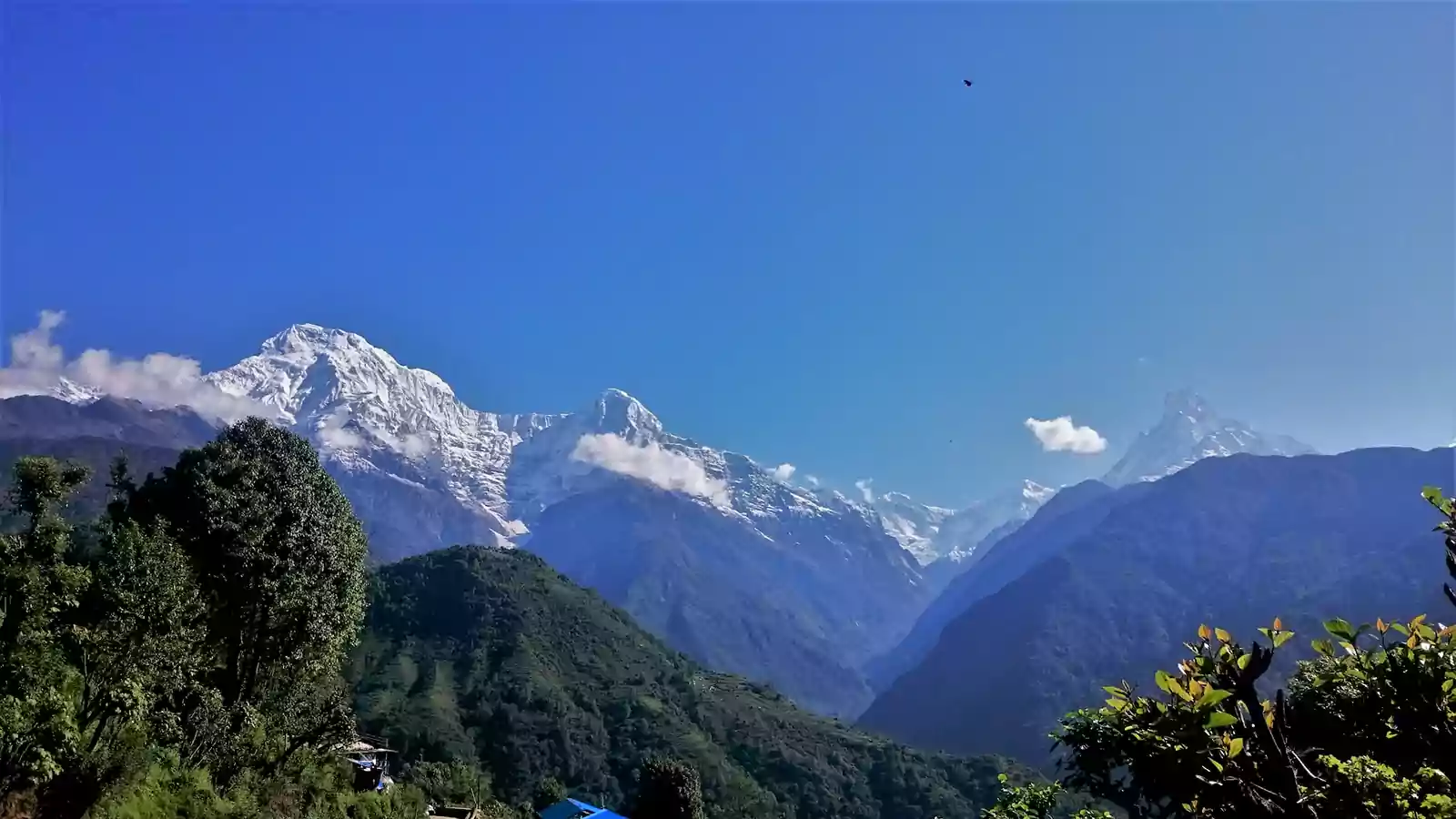
Experience the Magic of the Poonhill Trek in Nepal
Why the Poonhill Trek is So Special
The Poonhill Trek is one of the most popular treks in Nepal. It is famous for being easy to moderate, making it perfect for beginners, families, and people who want a short but beautiful trekking experience. The trails are well-marked and not too steep, which allows trekkers to enjoy the journey without too much difficulty. Even first-time trekkers can complete the trek comfortably while enjoying the natural beauty along the way.
One of the main reasons people love the Poonhill Trek is the sunrise view over the Annapurna and Dhaulagiri mountain ranges. Early in the morning, the sky turns golden, and the snow-capped peaks shine in the sunlight. Many trekkers wake up before dawn to reach the viewpoint at Poonhill and watch this breathtaking scene. It is a peaceful and quiet experience that makes the effort of climbing worthwhile.
Along the trail, the Poonhill Trek passes through several small villages where you can see local life in the hills. People live simply, and trekkers often get a chance to interact with them and learn about their culture. You can see traditional houses, terraced fields, and farmers at work. These villages give the trek a friendly and calm feeling, which is different from busy tourist spots.
The trek is also famous for its natural beauty. Dense rhododendron forests line many parts of the trail. During spring, the forests bloom with red, pink, and white flowers, creating a colorful and cheerful atmosphere. Streams, waterfalls, and small wooden bridges make the trek even more interesting. Nature lovers can enjoy the sounds of birds and the fresh mountain air throughout the journey.
Another reason the Poonhill Trek is special is that it offers a short but complete Himalayan experience. In just a few days, trekkers can enjoy mountain views, forests, rivers, and cultural experiences. This makes it ideal for people who have limited time but still want to experience the mountains. Many travelers who cannot do long treks in Nepal choose the Poonhill Trek as it gives a full taste of the Annapurna region without too much effort.
The Poonhill Trek is also accessible from Pokhara, which is a popular city for tourists in Nepal. The starting point of the trek can be reached by a short drive from Pokhara, and this makes planning the trek easier. Lodges and tea houses along the trail provide food and a place to rest, so trekkers do not need to carry heavy equipment.
Overall, the Poonhill Trek combines easy trails, beautiful mountain views, peaceful villages, and colorful forests. It is a great choice for anyone wanting a memorable trekking experience in Nepal. The combination of natural beauty, local culture, and the famous sunrise makes it a trek that many people remember for years. The Poonhill Trek is a perfect example of why trekking in Nepal is so special.
Best Time to Visit Poonhill
The Poonhill Trek can be enjoyed throughout the year, but some seasons are better than others. The best time to do the Poonhill Trek is in autumn, from September to November, and in spring, from March to May. During these months, the weather is usually clear, and the skies are bright. Trekkers can see the snow-capped peaks of Annapurna and Dhaulagiri clearly, which makes the sunrise view at Poonhill unforgettable. The temperature is also comfortable, not too hot or too cold, which makes walking on the trails easier.
Autumn is especially popular because the monsoon rains are over, and the air is fresh and clean. The forests look green, rivers are flowing, and the mountain views are clear. Spring is another great season for the Poonhill Trek because the rhododendron forests bloom with pink, red, and white flowers. The trails become colorful, and nature feels lively. Both seasons offer excellent conditions for trekking, photography, and enjoying the natural beauty along the way.
Monsoon season, from June to August, can make the Poonhill Trek more difficult. Heavy rain can make the trails slippery and sometimes muddy. Streams and small rivers may rise, which can slow down the trek. During this time, visibility of the mountains is often low because of clouds and rain. Travelers during the monsoon need to be prepared for wet conditions and possible delays.
Winter, from December to February, also has challenges. The mornings and nights are very cold, and some parts of the trail can have frost or light snow. Although the sky can be clear and the views sharp, the cold can make trekking uncomfortable for people who are not used to it. It is important to have warm clothing and proper gear if trekking in winter.
The Poonhill Trek is suitable for beginners, and choosing the right season makes the experience much better. Trekkers in autumn and spring can enjoy the full beauty of the mountains, forests, and villages without worrying about rain or extreme cold. These seasons also provide more options for photography and sightseeing along the trail.
Planning a trek in the right season also helps with accommodation and food. Tea houses and lodges along the Poonhill Trek are busier in autumn and spring, but they are prepared for trekkers and offer good services. During monsoon or winter, some lodges may be closed, and the trails can be less safe.
Choosing the best time to visit ensures that trekkers can enjoy the Poonhill Trek fully. Seeing the sunrise over the Annapurna and Dhaulagiri ranges, walking through forests, and visiting local villages all become more enjoyable when the weather is clear and the trails are safe. Trekking in the right season makes the journey smoother, more comfortable, and memorable.
The Poonhill Trek is beautiful in every season, but autumn and spring provide the best combination of clear skies, moderate temperatures, and natural beauty.
How to Reach the Trek Starting Point
The starting point for the Poonhill Trek is usually Nayapul, which is a small town near Pokhara. Most trekkers begin the journey from here because it is easy to reach and has good facilities for travelers. Pokhara is a popular city in Nepal and is well connected by road and air from other parts of the country.
To reach Nayapul from Pokhara, you can take a private car, jeep, or a local bus. The drive is about 1.5 to 2 hours depending on the road and weather. The route passes through small villages, green hills, and rivers, giving travelers a chance to see the local life before even starting the trek. Many people enjoy this drive as it feels like the beginning of the adventure.
Hiring a guide or porter is optional but recommended for the Poonhill Trek, especially for first-time trekkers. Guides can help with directions, local information, and safety during the trek. Porters can carry heavy bags, which makes walking easier and more comfortable. Many tea houses and trekking agencies in Pokhara offer guide and porter services. This allows trekkers to enjoy the journey without worrying about carrying too much gear.
If you are using public transport, local buses from Pokhara leave in the morning and take about two hours to reach Nayapul. The bus is an affordable option and also lets you experience travel with local people. Private cars or jeeps are faster and more convenient for travelers who want to save time or start trekking early in the morning.
Once you reach Nayapul, it is easy to begin the Poonhill Trek. The town has a few lodges and small shops where you can prepare for the trek, buy snacks, or check your gear. Many trekkers spend one night in Nayapul or nearby Tikhedhunga before starting the trail to adjust to the surroundings and begin the trek fresh the next morning.
Reaching the starting point is an important part of planning the Poonhill Trek. A smooth and comfortable trip to Nayapul helps trekkers start the journey relaxed and ready. Choosing the right transport and considering guides or porters can make the trek more enjoyable. The Poonhill Trek is accessible for most people, and getting to the starting point is simple when planned in advance.
The road from Pokhara to Nayapul is scenic and introduces travelers to the natural beauty of the region. Starting from Nayapul allows trekkers to experience the forests, rivers, and villages along the Poonhill Trek in the best way.
The Trek Route and Daily Highlights
The Poonhill Trek usually takes about 4 to 5 days for a round-trip, making it ideal for beginners and travelers with limited time. The main route begins at Nayapul, a small town near Pokhara. From there, trekkers walk to Tikhedhunga, which is the first village stop. This part of the trail passes through gentle hills, small rivers, and local farmland. Trekkers can see traditional houses and farmers working in the fields along the way.
From Tikhedhunga, the trail continues to Ghorepani. This part of the Poonhill Trek is more forested, with dense rhododendron and oak trees. There are small waterfalls and streams along the route, making the trek refreshing and scenic. Ghorepani is a larger village and a common place to rest for the night. Many trekkers enjoy the peaceful atmosphere and the view of the surrounding hills from here.
The next highlight of the trek is the early morning climb to Poonhill. Trekkers often wake up before sunrise and walk for about an hour to reach the viewpoint. From Poonhill, you can see the Annapurna and Dhaulagiri mountain ranges bathed in golden sunlight. The sunrise view is one of the most famous parts of the Poonhill Trek and attracts travelers from all over the world. The moment is quiet and peaceful, giving a sense of connection with nature.
After visiting Poonhill, the trek continues to Tadapani. This section has beautiful trails through forests and offers many opportunities to spot local birds and plants. Tadapani is a quiet village where trekkers can rest and enjoy simple local food. The trail from Poonhill to Tadapani also has panoramic views of the valleys below, which makes walking along this part of the trek very rewarding.
The final part of the Poonhill Trek is the return from Tadapani to Nayapul. Trekkers pass through more villages, small streams, and terraced fields. The trail gradually descends, making it easier to walk back. Along the way, travelers can enjoy the local life, interact with villagers, and appreciate the natural beauty one last time before reaching the starting point.
Each day of the Poonhill Trek has its own highlights, from forest trails and waterfalls to village life and mountain views. The trek is designed to give travelers a complete experience of the Annapurna region in just a few days. Walking along this route provides both adventure and a chance to enjoy Nepal’s culture and nature closely.
The Poonhill Trek is popular because it combines moderate trails, beautiful landscapes, and cultural experiences. The route is simple to follow, well-marked, and offers plenty of rest stops, making it a comfortable and memorable trekking journey.
What to Pack and Prepare
Preparing well for the Poonhill Trek makes the journey safer and more comfortable. The most important items to pack are trekking shoes, warm clothes, a raincoat, and a water bottle. Trekking shoes should be strong and comfortable because the trails can be rocky or uneven. Warm clothes are necessary, especially for early mornings and evenings, when the temperature can drop. A raincoat is helpful in case of unexpected showers, and carrying a water bottle ensures you can stay hydrated during the walk.
Other useful items for the Poonhill Trek include a camera, trekking poles, and some snacks. A camera allows you to capture the amazing sunrise and mountain views. Trekking poles can help with balance on steep trails and reduce pressure on your knees. Snacks such as nuts, chocolate, or energy bars are good for keeping your energy levels up between meals. These items are not essential, but they make the trek more enjoyable.
First-time trekkers on the Poonhill Trek should also consider pacing and acclimatization. It is important not to walk too fast at the beginning, especially on uphill sections. Taking breaks and walking at a steady pace helps prevent tiredness and allows your body to adjust to the altitude. Even though the Poonhill Trek is moderate in difficulty, walking too quickly can make the trek harder than it needs to be.
Staying hydrated is another key tip for the Poonhill Trek. Drink water regularly, even if you do not feel thirsty. Proper hydration helps your body handle the physical activity and the change in altitude. Some trekkers also bring small electrolyte tablets or drinks to help maintain energy and hydration on longer walking days.
Packing light is also important. Carry only what you need for the trek and leave unnecessary items at your hotel in Pokhara. A lighter bag makes walking easier and allows you to enjoy the Poonhill Trek without extra strain. Most lodges along the trail provide food and basic amenities, so heavy cooking or extra equipment is not required.
It is helpful to prepare for small emergencies as well. A small first-aid kit with bandages, pain relief medicine, and any personal medicine is useful for the Poonhill Trek. Having these items ready ensures that minor problems do not affect your trekking experience.
Being well-prepared and packing the right items makes the Poonhill Trek enjoyable for everyone. Whether you are a first-time trekker or someone who has walked in the mountains before, proper preparation allows you to focus on the scenery, villages, and nature along the trail. The Poonhill Trek is manageable and rewarding when trekkers are ready with the right clothing, gear, and mindset.
Tips for Enjoying the Sunrise at Poonhill
One of the main highlights of the Poonhill Trek is watching the sunrise over the Annapurna and Dhaulagiri ranges. To enjoy this experience, it is best to start early, usually around 4 to 5 AM. The path from Ghorepani to Poonhill viewpoint takes about 45 minutes to an hour, depending on your pace. Starting early gives you enough time to reach the top and find a good spot before the sun begins to rise.
Mornings at Poonhill can be very cold, so dressing warmly is important. Layers of clothes, a warm jacket, gloves, and a hat help keep you comfortable while waiting for the sunrise. Trekking shoes or boots are also recommended because the trail can be uneven or slippery in the early hours. Being prepared for the cold allows you to enjoy the moment without feeling uncomfortable.
The Poonhill Trek offers many good spots for photography. The viewpoint itself gives a wide-angle view of the mountains, but walking a few steps to the left or right can provide a different perspective. Photographers often capture the golden sunlight reflecting on the peaks while the valleys below remain in shadow. A small tripod can be useful for taking clear pictures in low light. Remember that the sunrise changes quickly, so being ready with your camera helps capture the best moments.
While photography is important, it is also good to enjoy the silence and beauty of nature. The Poonhill Trek allows trekkers to experience peace and calm in the mountains. Listening to the morning sounds, watching clouds move around the peaks, and feeling the cool breeze creates a memorable experience. Many people find this moment inspiring and relaxing after the climb from Ghorepani.
The panoramic views from Poonhill are another reason why it is a popular trek. You can see the snowy peaks of Annapurna, Dhaulagiri, and Machhapuchhre along with the valleys and forests below. These views are different in every season, with autumn and spring offering the clearest skies. Spending time slowly watching the sunrise and observing the changing colors of the mountains makes the Poonhill Trek special for everyone.
The path back from Poonhill to Ghorepani or Tadapani can be enjoyed at a relaxed pace. Many trekkers stop along the way to take photos, enjoy tea at local lodges, or simply admire the scenery. Planning your walk and taking time to enjoy the surroundings enhances the overall experience of the Poonhill Trek.
Watching the sunrise at Poonhill combines early morning adventure, cold weather preparation, photography, and peaceful moments in nature. It is a part of the Poonhill Trek that many travelers remember long after the journey is complete.


