

Annapurna Trek Guide 2026 – Everything You Need to Know
Introduction to the Annapurna Trek
The Annapurna region is located in central Nepal, north of Pokhara city. It lies inside the Annapurna Conservation Area, which is the largest protected area in Nepal. This region is home to some of the highest mountains in the world, including Annapurna I, which stands at 8,091 meters. The area is also rich in rivers, green hills, forests, and traditional mountain villages. Because of its natural beauty and easy access, the Annapurna Trek has become one of the most popular trekking experiences in Nepal.
Many travelers choose the Annapurna Trek because it offers a perfect mix of adventure and comfort. The trails are well marked and there are many tea houses along the route. Trekkers can enjoy warm meals and simple rooms at the end of each day. This makes the journey easier compared to remote camping treks. At the same time, the mountain views are powerful and close, giving a true Himalayan experience.
One reason why the Annapurna Trek is famous around the world is its diversity. In just a few days of walking, the landscape changes a lot. You may start your walk in green rice fields and pass through rhododendron forests. As you go higher, you see snowy peaks, rocky trails, and wide mountain valleys. The views of Annapurna, Machapuchare, and Dhaulagiri make every step special.
This trekking region is suitable for both beginners and experienced trekkers. There are short and easy routes like the Ghorepani Poon Hill trek, which can be completed in about 4 to 5 days. There are also longer and more challenging routes like the Annapurna Circuit, which takes around two weeks or more. Because of these options, the Annapurna Trek fits different fitness levels, time plans, and travel budgets.
Culture is another beautiful part of this journey. Along the trail, trekkers pass through Gurung, Magar, and Thakali villages. People in these villages welcome guests with warm smiles and simple hospitality. You can see traditional stone houses, prayer flags, monasteries, and local farms. Trying local food like dal bhat after a long day of walking adds to the real mountain experience.
The Annapurna Trek is not only about reaching a destination. It is about walking through changing landscapes, meeting local people, and feeling close to nature. The mix of high mountains, peaceful forests, flowing rivers, and rich culture makes this trek special for many travelers. Whether someone is planning their first Himalayan walk or returning for a bigger adventure, this region offers a journey that feels both exciting and meaningful.
Annapurna Base Camp Trek
The Annapurna Base Camp route is one of the most loved parts of the Annapurna Trek. It is a perfect choice for travelers who want to see high Himalayan mountains in a shorter time. Most people complete this trek in 7 to 12 days, depending on their walking pace and itinerary. The trail is well managed, and tea houses are available every day, which makes the journey comfortable and safe.
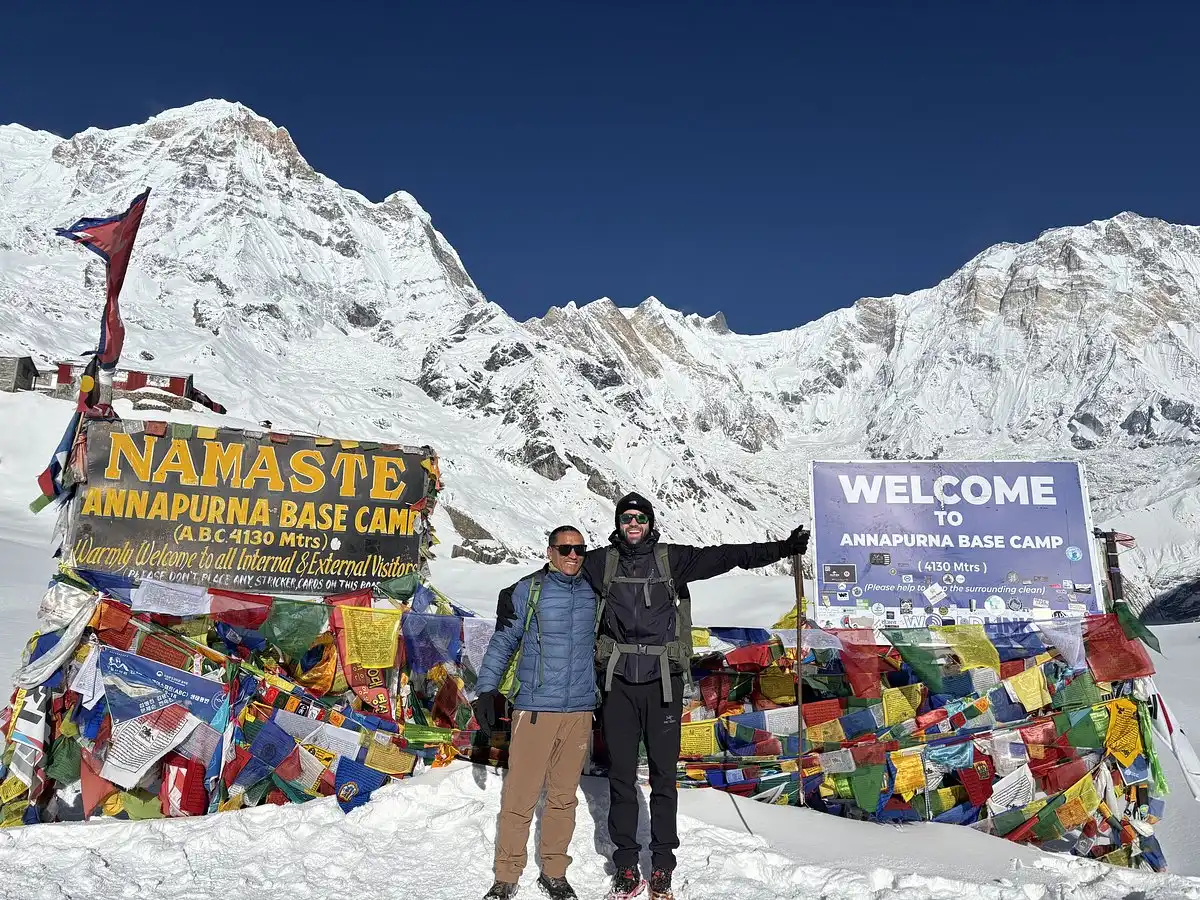
The maximum altitude of Annapurna Base Camp is 4,130 meters. At this height, trekkers stand inside a natural mountain amphitheater surrounded by snow-covered peaks. From the base camp, you can see Annapurna I, Annapurna South, Hiunchuli, and the beautiful Machapuchare, also known as Fishtail Mountain. The sunrise and early morning views from base camp are calm and powerful. Being so close to these giant mountains is a special feeling for many trekkers.
In terms of difficulty, this route is considered moderate. It does not require technical climbing skills, but it does include many stone steps and uphill climbs. A basic level of fitness is helpful. First-time trekkers who prepare well can complete this journey successfully. Because of this balance of challenge and comfort, the Annapurna Trek through the base camp route is often recommended for beginners.
One of the relaxing highlights of this trek is the natural hot springs at Jhinu Danda. After several days of walking, many trekkers enjoy sitting in the warm water beside the river. It helps relax tired muscles and gives a peaceful break during the journey. This small experience adds comfort to the adventure.
The trail also passes through beautiful Gurung villages such as Ghandruk and Chhomrong. These villages show the traditional mountain lifestyle of Nepal. Stone houses, narrow paths, terraced farms, and friendly local people make the walk more meaningful. Trekkers can learn about Gurung culture, taste local food, and see daily village life. Staying in tea houses run by local families makes the Annapurna Trek more personal and warm.
Another reason why this trek is popular is its changing landscape. The lower part of the trail goes through green forests filled with rhododendron trees, especially colorful in spring. As you go higher, the forest becomes thinner and the mountains feel closer. Rivers, waterfalls, and suspension bridges add variety to the walk.
For travelers who want a shorter Himalayan experience without going above 5,000 meters, this route is ideal. It offers close mountain views, rich culture, and natural beauty within a manageable time frame. The Annapurna Trek to Base Camp gives a true mountain experience while still being accessible to many types of trekkers.
Annapurna Circuit Trek
The Annapurna Circuit is one of the longest and most adventurous routes in the Annapurna region. This part of the Annapurna Trek usually takes 12 to 18 days to complete, depending on the itinerary and side trips. It circles around the Annapurna mountain range and shows a wide range of landscapes, cultures, and mountain views. Many trekkers choose this route because it offers a deeper and more diverse experience in the Himalayas.
The highest point of the Annapurna Circuit is Thorong La Pass, which stands at 5,416 meters. Crossing this high mountain pass is one of the biggest highlights of the Annapurna Trek. The day of crossing starts early in the morning. The air is thin, and the walk is slow and steady. From the top of the pass, trekkers can see wide mountain views and prayer flags moving in the wind. Reaching this point gives a strong sense of achievement.
One special feature of the Annapurna Circuit is the big change in landscape. In the lower areas, the trail passes through green hills, rivers, waterfalls, and thick forests. As trekkers go higher, the scenery slowly changes. After crossing to the Manang side, the landscape becomes dry and open. The green forest turns into rocky hills and wide valleys that look like a mountain desert. This natural change makes the Annapurna Trek feel like walking through different countries in one journey.
Manang village is an important stop along the route. It is a beautiful village surrounded by high peaks. Many trekkers spend an extra day here to rest and adjust to the altitude. The culture in Manang has strong Tibetan influence. You can see monasteries, prayer wheels, and stone houses built to protect from cold winds. The local people follow Buddhist traditions, and their lifestyle is simple and peaceful. This cultural experience adds depth to the Annapurna Trek.
For those who want more adventure, there is an option to visit Tilicho Lake. Tilicho Lake is one of the highest lakes in the world, located at around 4,919 meters. The side trip to the lake adds a few more days to the itinerary. The trail to Tilicho is more rugged and challenging, but the view of the blue lake surrounded by snow-covered peaks is very special.
The Annapurna Circuit is more challenging than shorter routes in the region. The longer duration, higher altitude, and long walking days require good preparation and fitness. At the same time, it is very rewarding. The mix of high mountain passes, changing landscapes, and rich culture makes this part of the Annapurna Trek a true Himalayan adventure.
Best Highlights of the Annapurna Trek
One of the most beautiful moments of the Annapurna Trek is watching the sunrise from Poon Hill. Early in the morning, trekkers walk in the dark with a small headlamp. The air feels fresh and cold. When the sun slowly rises, the sky turns orange and pink. Snow-covered peaks begin to shine with golden light. Standing there quietly and watching the mountains wake up is an emotional experience that many people remember for a lifetime.
The mountain views during the Annapurna Trek are wide and powerful. From different viewpoints along the trail, trekkers can see a 360-degree panorama of famous peaks. Annapurna I stands tall and strong. Dhaulagiri rises on the other side with its massive white face. Machapuchare, also called Fishtail, looks sharp and unique against the sky. Seeing these mountains so close makes the journey feel real and meaningful.
In spring, the trail becomes even more colorful. Rhododendron forests bloom with red, pink, and white flowers. Walking through these forests feels peaceful and fresh. The trees create shade, and birds can be heard in the background. During this part of the Annapurna Trek, the path feels soft and alive with nature. Many trekkers enjoy taking slow steps here to fully enjoy the beauty around them.
Another exciting part of the journey is crossing long suspension bridges over deep rivers. The bridges gently move as people walk across. Below, the river flows fast and strong through the valley. Looking down at the rushing water while standing high above it brings both thrill and excitement. These small moments add adventure to the Annapurna Trek and make each day different from the last.
Staying in local tea houses is also a special highlight. After a long day of walking, trekkers arrive at small mountain lodges run by local families. The rooms are simple but warm. In the evening, everyone gathers in the dining area around a stove. People share stories, drink hot tea, and enjoy fresh meals. Dal bhat, noodle soup, and pancakes are common foods served on the trail. These simple comforts make the Annapurna Trek feel welcoming and friendly.
The cultural experience along the trail adds even more depth. Trekkers pass through Gurung and Magar villages where daily life moves at a calm pace. Prayer flags wave in the wind, and small monasteries sit quietly on the hills. Local people greet visitors with kind smiles. Experiencing mountain culture, traditional food, and simple village life helps travelers feel connected to the region in a deeper way.
Good to Know: Important Suggestions and Facts
Before starting the Annapurna Trek, it is important to understand some basic rules and useful information. All trekkers need two main permits. The first one is the ACAP permit, which stands for Annapurna Conservation Area Permit. This fee helps protect nature, wildlife, and local villages in the region. The second one is the TIMS card, which stands for Trekkers’ Information Management System. This card helps keep records of trekkers for safety reasons. Both permits are required for most routes of the Annapurna Trek.
Choosing the right season is also very important. The best time to do the Annapurna Trek is during spring, from March to May, and autumn, from September to November. In spring, the weather is mild and rhododendron flowers bloom along the trail. In autumn, the skies are usually clear, and mountain views are sharp and bright. Winter is colder, especially at higher altitudes, and some high passes may close due to snow. The monsoon season brings rain and slippery trails, which can make walking more difficult.
The difficulty of the Annapurna Trek depends on the route you choose. Short routes like Ghorepani Poon Hill are easier and suitable for beginners. Longer routes like the Annapurna Circuit or Base Camp require more walking days and better fitness. It is important to check the maximum altitude and daily walking hours before planning your trek.
Altitude sickness is something every trekker should understand. As you go higher above 3,000 meters, the air becomes thinner. Some people may feel headache, dizziness, or tiredness. Walking slowly, drinking enough water, and taking rest days help reduce the risk. Proper acclimatization is an important part of the Annapurna Trek, especially on higher routes.
Physical preparation makes the journey more comfortable. Simple exercises like walking, hiking, or climbing stairs a few weeks before the trip can improve stamina. You do not need to be an athlete, but good basic fitness helps you enjoy the experience more.
Tea house accommodation along the Annapurna Trek is simple but comfortable. Rooms usually have twin beds with blankets. Bathrooms may be shared. Meals are freshly prepared and include local and basic international dishes. WiFi and electricity for charging devices are available in many places, but there is often an extra charge. Services may become limited as you go higher.
Hiring a licensed guide can improve safety and overall experience. A guide helps with navigation, shares local knowledge, and supports you in case of altitude problems. For many travelers, having a guide during the Annapurna Trek brings more confidence and deeper understanding of the region.


