
Everest Trekking in Nepal – Real Tips to Help You Succeed
Everest Trekking Reality Check: What No One Tells You Before You Go
Many people dream about Everest Trekking after seeing beautiful photos online. Snowy mountains, clear skies, and happy faces make it look easy and exciting. But the real experience is different. Everest Trekking is not just a simple walk in nature. It is a slow journey at high altitude where your body and mind both need to adjust.
The first thing to understand is that walking in the mountains is not like walking in your city. As you go higher, the air becomes thinner. This means there is less oxygen in your body. Because of this, even a short uphill walk can feel very hard. During Everest Trekking, you will walk slowly, take small steps, and rest many times. Speed does not matter here. What matters is staying steady and safe.
Many people think being fit is enough. But even strong and healthy trekkers can struggle. The main reason is altitude, not fitness. Your body needs time to adjust to the height. You may feel tired, have a headache, or lose your appetite. This is normal during Everest Trekking, but it is important to listen to your body and not push too fast.
There is also a mental side of the journey that many people do not talk about. Every day, you wake up early in the cold. Sometimes water is frozen, and it is hard to leave your warm bed. The food is simple and often the same each day. You may eat rice, soup, or noodles again and again. After a few days, some trekkers feel bored or tired of the routine. Everest Trekking is not only a physical challenge, but also a test of patience and mindset.
Life in tea houses is also very basic. Most tea houses have simple rooms with two beds and a blanket. Toilets are usually shared with other trekkers. Hot showers are not always available, and when they are, you often need to pay extra. Charging your phone or using WiFi may also cost money. During Everest Trekking, comfort is limited, and you learn to live with less.
Another important thing to understand is the difference between social media and real life. Photos online show perfect weather and happy moments. But in reality, the weather can change quickly. It can be cold, windy, or cloudy. Some days you may not see the mountains clearly. Everest Trekking has both beautiful and difficult moments, and that is what makes the journey real.
When you know these truths before you go, you are better prepared. Everest Trekking becomes more meaningful when you accept both the challenges and the beauty of the journey.
Smart Acclimatization: The Real Secret to Completing Everest Trekking
When people plan Everest Trekking, they often think about distance, views, and reaching the final destination. But the real secret to finishing the trek safely is acclimatization. This means giving your body enough time to adjust to the high altitude. Without proper acclimatization, Everest Trekking can become very difficult and even dangerous.
Many trekkers make the mistake of walking too fast. They want to reach the next place quickly or follow a tight schedule. But in the mountains, speed is not important. Your body needs time to get used to less oxygen. Acclimatization days are not rest days where you do nothing. They are active days where you walk a little higher and then come back down to sleep. This helps your body slowly adapt to the altitude during Everest Trekking.
A simple rule many guides follow is “climb high, sleep low.” This means you walk to a higher place during the day, then return to a lower place to sleep. For example, you may hike up a hill near your village and then come back to your tea house. This method helps your body produce more red blood cells, which carry oxygen. It is one of the safest ways to adjust during Everest Trekking.
Skipping acclimatization days is a common mistake. Some trekkers feel good at lower altitudes and think they can continue without stopping. But problems often start above 3,000 meters. If you rush, your body may not keep up. This increases the risk of Altitude Sickness, which can affect anyone, no matter how fit they are.
It is important to know the early signs of altitude sickness. You may feel a headache, dizziness, nausea, or trouble sleeping. Some people lose their appetite or feel very tired. These signs should not be ignored. During Everest Trekking, the best action is to stop, rest, and if needed, go down to a lower altitude. Going higher without recovery can make the condition worse.
Simple daily habits can help your body adjust better. Drinking enough water is very important. Dry mountain air can make you dehydrated quickly, so try to drink warm water, soup, or tea often. Walking slowly also helps your body use oxygen more efficiently. Take small steps and keep a steady pace. Breathing deeply and regularly can also make a big difference during Everest Trekking.
Listening to your guide and your body is key. Guides understand the route and know when to move or rest. At the same time, you should pay attention to how you feel each day. Some days may feel harder than others, and that is normal in Everest Trekking.
Acclimatization may feel slow, but it is what allows you to keep going safely in the high mountains.
Food, Water, and Energy: How to Stay Strong on the Trail
Food and water play a very important role during Everest Trekking. Many people focus on packing clothes and gear, but they forget how much energy their body will need each day. When you walk for many hours in the mountains, your body burns a lot of energy. Eating the right food and drinking enough water helps you stay strong and enjoy Everest Trekking without feeling too tired.
On the trail, most tea houses offer simple and warm meals. The most common food you will eat is dal bhat. It is a plate with rice, lentil soup, vegetables, and sometimes pickles. You may also get noodles, fried rice, eggs, pancakes, or vegetable soup. The menu is simple, but the food is fresh and filling. During Everest Trekking, eating hot meals is important because it helps keep your body warm and gives you energy for long walking days.
Many trekkers hear the saying “Dal Bhat Power 24 Hour.” This is popular in Nepal, and it has a real meaning. Dal bhat gives a good balance of carbohydrates, protein, and nutrients. You can also ask for more servings without extra cost in many places. This is why dal bhat is a strong and reliable meal during Everest Trekking. It may feel repetitive after a few days, but it helps your body perform well.
Water is just as important as food. At high altitude, your body loses water faster, even if you do not feel very sweaty. Drinking safe water is very important to avoid stomach problems. You can drink boiled water from tea houses, which is a common and safe option. You can also use water purification tablets or carry a filter bottle. During Everest Trekking, it is better to avoid buying plastic bottles every day because they are expensive and not good for the environment.
Carrying snacks from Kathmandu is a smart idea. Snacks in the mountains are more expensive and have fewer options. You can bring energy bars, chocolate, nuts, dry fruits, or biscuits from the city. These small snacks give quick energy during breaks and help you keep going during long hours of Everest Trekking.
One challenge many trekkers face is loss of appetite at higher altitude. As you go higher, you may not feel like eating much. This is normal, but your body still needs fuel. Try to eat small portions more often instead of large meals. Warm soups, tea, and light food can be easier to eat. Even if you are not very hungry, it is important to eat regularly during Everest Trekking to maintain your strength.
Hot drinks like ginger tea, lemon tea, or garlic soup are also helpful. They keep you warm and support your body in the cold environment. Avoid alcohol and too much caffeine, as they can make dehydration worse.
Paying attention to what you eat and drink each day makes a big difference in how you feel on the trail.
Packing Smart: What You Really Need (and What You Don’t)
Packing the right way is very important for Everest Trekking. Many trekkers feel excited before the trip and pack too many things. They think more items will make the journey easier. But in reality, a heavy bag makes walking harder. During Everest Trekking, you will walk for many hours every day, so carrying less weight helps you save energy and feel more comfortable.
One of the most common mistakes is overpacking clothes. Some people bring many jackets, pants, and extra outfits. But on the trail, you will often wear the same warm layers again and again. Laundry is limited, and drying clothes takes time in cold weather. It is better to bring a few good quality layers instead of many heavy items. Everest Trekking is about staying warm and comfortable, not changing clothes every day.
There are some must-have items that you should not miss. A warm down jacket, good trekking shoes, thermal innerwear, gloves, and a hat are very important. A sleeping bag is also useful because nights can be very cold in higher places. These items help you stay safe and warm during Everest Trekking. Optional items like extra gadgets, books, or too many accessories can add weight and are often not needed.
If you do not want to buy expensive gear, you can rent many items in Thamel. This area has many shops where you can rent jackets, sleeping bags, and trekking poles at a lower cost. Renting is a good option for beginners who are trying Everest Trekking for the first time. It also helps you travel lighter from home.
Some small items may look simple, but they are very useful on the trail. Lip balm helps protect your lips from dry and cold air. Wet wipes are helpful when showers are not available. A power bank is important because charging devices can cost money and electricity is limited. A thermos bottle allows you to carry warm water or tea, which is very helpful during cold days of Everest Trekking.
If you are hiring a porter, there are also weight limits to follow. Usually, one porter carries around 20 to 25 kilograms for two people. This means you should keep your personal bag light and only pack what is necessary. During Everest Trekking, respecting the porter’s load is also important for their safety and comfort.
Knowing what not to bring is just as important as knowing what to pack. Avoid carrying heavy items like extra shoes, large bottles, or unnecessary electronics. Too many snacks from home can also add weight if not planned well. Keep your bag simple, balanced, and easy to carry.
Packing smart helps you move freely and enjoy each day on the trail without extra stress.
Budget Truth: Where Your Money Really Goes During Everest Trekking
Planning your budget is an important part of Everest Trekking. Many trekkers look at one total price online, but they do not always understand where the money actually goes. When you break down the costs, it becomes easier to plan and avoid surprises during Everest Trekking.
The biggest cost for most trekkers is the flight from Kathmandu to Lukla. This short mountain flight saves many days of walking, but it is not cheap. After that, you need permits to enter the trekking region. These include national park and local area permits. They are required and checked along the trail.
Guide and porter costs are another important part of the budget. A guide helps you with the route, safety, and daily plan. A porter carries your heavy bag so you can walk more comfortably. During Everest Trekking, hiring local staff also supports the local economy and communities. Their cost usually includes salary, food, accommodation, and insurance.
Food and accommodation costs are paid daily on the trail. Rooms in tea houses are simple and often low cost, but food prices add up over time. As you go higher, the cost of food increases. This is because everything needs to be carried by porters or animals to remote areas. During Everest Trekking, even simple meals become more expensive as altitude increases.
There are also hidden costs that many trekkers do not think about. Charging your phone or camera often costs extra in tea houses. WiFi is available in some places, but it is not free and can be slow. Hot showers are also paid services, especially at higher altitude. These small costs can add up quickly during Everest Trekking if you are not prepared.
Another important part of the budget is tipping. In Nepal, tipping guides and porters is a common practice. It is a way to show respect and appreciation for their hard work. The amount can vary depending on your group size and service, but it should be planned in advance as part of your Everest Trekking budget.
You can choose between budget trekking and luxury trekking based on your comfort level. Budget trekking includes basic tea houses, simple meals, and shared facilities. It is more affordable and gives a local experience. Luxury trekking offers better rooms, attached bathrooms in some places, and higher quality food. It also includes better services but at a higher cost. Everest Trekking can be done in both styles, depending on what you prefer.
Understanding these different costs helps you plan your trip better and manage your spending during the journey.
The Emotional Side of Everest Trekking: More Than Just Mountains
Everest Trekking is not only about walking to a high place or seeing big mountains. It is also a deep emotional journey. Many trekkers start the trek with a goal, but along the way, they discover new feelings, thoughts, and connections that stay with them long after the trip.
One of the most powerful moments is reaching Everest Base Camp. After many days of walking, cold mornings, and slow progress, standing at base camp feels very special. There is no big sign of success like a city finish line, but you feel proud inside. Many people feel quiet, emotional, or even tearful at that moment. Everest Trekking teaches you that the journey matters as much as the destination.
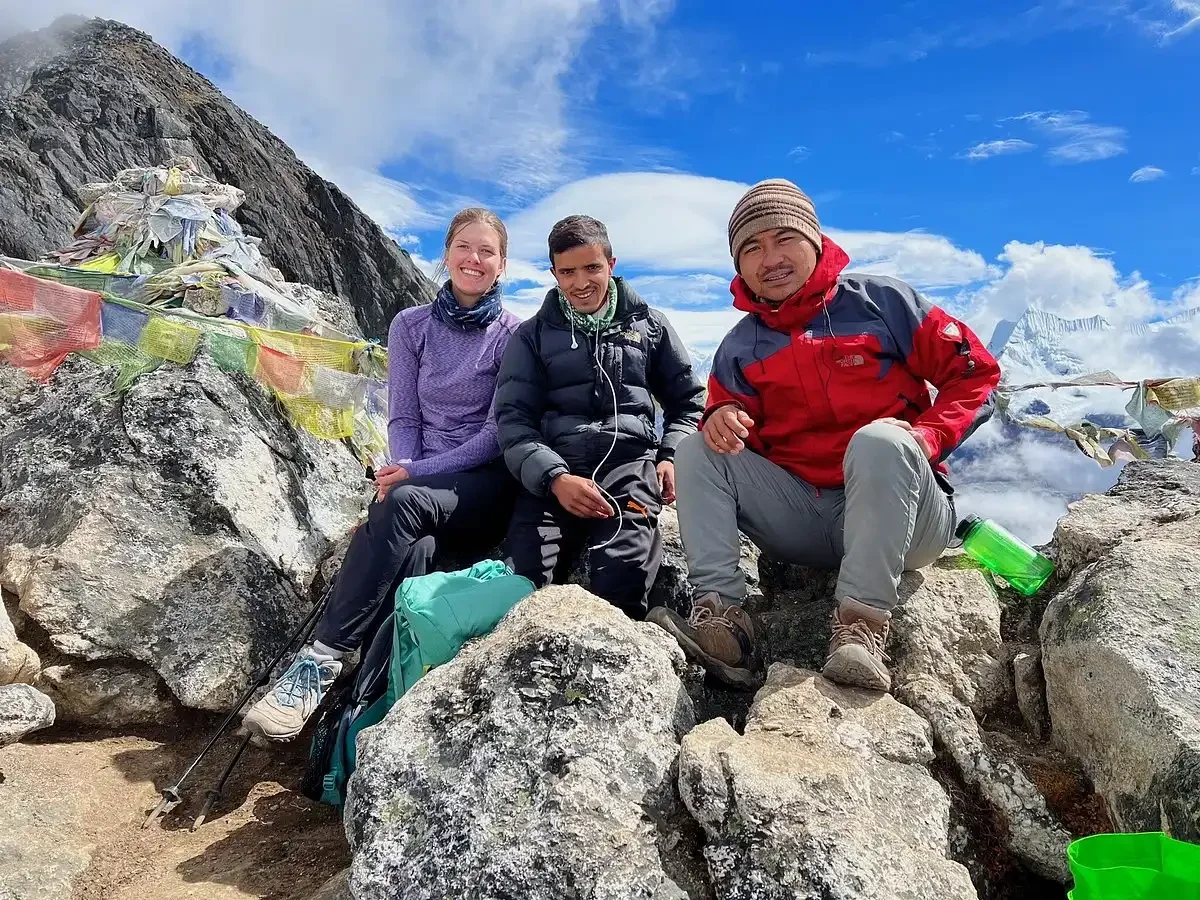
Along the trail, you also meet local people, especially the Sherpa community. They live in these high mountains and have a strong connection with nature. Their lifestyle is simple, but full of meaning. During Everest Trekking, you may stay in their tea houses, share meals, and learn about their daily life. You see how they work hard, help each other, and live with respect for the mountains. This experience helps you understand a different way of life.
Visiting monasteries is another peaceful part of the journey. You will see prayer flags, spinning wheels, and hear soft chants in the wind. These places are calm and quiet. Many trekkers take a short break to sit, breathe, and enjoy the silence. Everest Trekking is not always about movement. Sometimes it is about stopping and feeling the moment around you.
As the days pass, you begin to change in small ways. You learn patience because everything moves slowly in the mountains. There is no rush, no traffic, and no busy schedule. You start to enjoy simple things like a warm meal, a cup of tea, or a clear mountain view. Everest Trekking helps you understand that you do not need many things to feel happy.
Gratitude also grows during the journey. You feel thankful for your health, your strength, and the people around you. Seeing how others live with less can change how you think about your own life. Even small comforts like a warm bed or clean water start to feel important.
Many people say Everest Trekking changes them, and this is often true. It is not just because of the mountains, but because of the experiences along the way. You face challenges, meet new people, and spend time with your own thoughts. These moments stay in your memory and shape how you see the world after the trek.