

Gosainkunda Lake – A Simple Guide to This Holy Himalayan Lake
Where Gosainkunda Lake Is and Why People Visit It
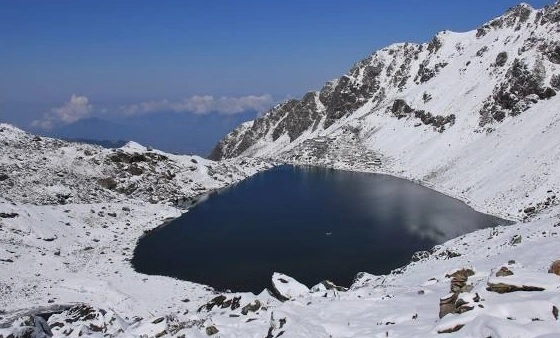
Gosainkunda Lake is a famous high-altitude lake in Nepal that many people love to visit. It is found in the Langtang region, which is close to Kathmandu and easy to reach by road. From the city, people usually travel to Dhunche or Chandanbari, and then start walking toward the lake. The lake sits at around 4,380 meters, so the air feels thinner, the weather gets cold, and the views become wider and clearer. When people talk about Gosainkunda Lake, they often remember the quiet blue water, the snowy mountains around it, and the feeling of peace that comes from being in such a pure place.
Gosainkunda Lake is also known as a holy lake in Nepal. Many people from the Hindu community believe that Lord Shiva created the lake. According to the story, he struck the mountain with his trident to get water after swallowing poison. Because of this story, many people feel a strong spiritual connection to Gosainkunda Lake. Every year during the Janai Purnima festival, thousands of pilgrims walk up the steep trail to pray, take a holy dip, and feel close to their faith. Even people who are not religious enjoy learning about the local beliefs and watching how people show their respect at the lake.
People also visit Gosainkunda Lake because the walk to get there feels like an adventure. The trail passes through dense forests, cool streams, small villages, and open hills. Many trekkers enjoy the mix of nature and culture along the way. They see animals like yaks, hear birds singing, and meet local people who live simple mountain lives. The journey feels slow and peaceful, and each day brings new views of the hills and snowy mountains. For many travelers, reaching Gosainkunda Lake feels like a reward after days of walking through beautiful landscapes.
Trekkers also like this area because it is part of the Langtang National Park. This means the region is well protected and rich in plants and wildlife. On the way to Gosainkunda Lake, people see rhododendron forests, bamboo trees, and different types of flowers depending on the season. In spring, the hills turn bright red and pink, which makes the walk feel even more colorful and alive. This natural beauty makes the journey feel special and gives people many moments to stop and enjoy the surroundings.
Another reason people come to Gosainkunda Lake is the calm feeling it gives. Even though the trek can be hard, with steep trails and cold nights, many travelers say they feel lighter and happier at the lake. The open sky, the reflection of the mountains on the water, and the silence around the lake help people relax and think clearly. Some travelers stay for a long time just to sit near the water and enjoy the moment.
Gosainkunda Lake is also a good place for people who want a short but meaningful trek. It usually takes around five to seven days, which is not too long for beginners. Many people choose this trek when they want a mix of adventure, nature, and culture without spending too many days in the mountains. Because of all these reasons, Gosainkunda Lake has become one of the most loved trekking spots in Nepal.
The Story and Belief Behind This Holy Lake
Gosainkunda Lake is not only known for its beauty, but also for its strong spiritual story that has been passed down for many years. Many people in Nepal and even outside the country believe that Gosainkunda Lake was created by Lord Shiva. This story is a big reason why thousands of pilgrims walk up to this high lake every year. The belief gives the lake a deep meaning, and many visitors feel a peaceful connection when they stand near the clear blue water.
According to the popular Hindu story, Lord Shiva drank poison to save the world during a great battle between gods and demons. The poison was very strong, and it burned his throat. To cool the pain, Shiva searched for water in the mountains. It is believed that he used his trident to strike the rocks, and this created a spring of pure water. This water slowly formed what we now know as Gosainkunda Lake. Because of this story, many people think of Gosainkunda Lake as a gift from Lord Shiva, a place where nature and faith come together.
Every year during Janai Purnima, pilgrims from many parts of Nepal and India visit Gosainkunda Lake. They walk for hours or even days to reach the lake so they can pray, take a holy dip, and feel closer to Lord Shiva. Many people believe that bathing in the cold water washes away sins and brings good luck. Even though the water is freezing, many pilgrims still step into the lake because they trust the spiritual power connected to it. Gosainkunda Lake becomes very lively during this time, with prayers, songs, and the sound of people walking along the trail.
The lake is also connected to many smaller lakes around it. These lakes are said to hold spiritual meaning too. Some people believe the water from Gosainkunda Lake flows into major rivers in Nepal, making those rivers holy as well. Because the lake is surrounded by high mountains and quiet spaces, many visitors say the place feels sacred even without knowing the full story. The silence, the cold wind, and the wide sky create a calm feeling that makes people want to sit and reflect.
Local people living in the Langtang region also share their own stories about the lake. Some say they have felt a sense of protection when they visit Gosainkunda Lake. Others believe that the spirit of Shiva still watches over the area. Whether these stories are true or simply part of tradition, they show how deeply connected people are to this place. The belief makes the lake more than just a trekking destination. It becomes a place of hope, strength, and healing for many visitors.
Trekkers who are not from the Hindu community also like learning about the story behind Gosainkunda Lake. The mix of religion, culture, and nature makes the journey more meaningful. When they stand by the water after days of walking, they understand why the lake is considered holy. The story adds life to the quiet surroundings and makes the visit feel more special. Because of its strong history and spiritual belief, Gosainkunda Lake continues to be one of Nepal’s most respected and loved high-altitude lakes.
How Hard Is the Trek to Gosainkunda Lake
The trek to Gosainkunda Lake is known for being beautiful, but it also has some challenges that trekkers should understand before starting the journey. Many people say the trek is moderate to difficult, mainly because of the steep climbs, the high altitude, and the cold weather near the top. Even though it can feel tough at times, thousands of people still walk to Gosainkunda Lake every year because the trail offers amazing mountain views, friendly villages, and a strong feeling of achievement.
One of the main reasons the trek feels hard is the altitude. Gosainkunda Lake sits at around 4,380 meters, which means the air gets thinner as you go higher. When the air becomes thin, it gets harder to breathe, and people can feel tired faster. Some trekkers may get headaches or feel dizzy if they do not walk slowly. This is why experienced guides always tell visitors to take their time, drink water, and rest when needed. Walking slowly helps the body adjust and makes the journey safer.
The trail itself is also steep in many places. The hardest part for many trekkers is the climb from Lauribina to Gosainkunda Lake. This section is long and uphill, and it can take several hours to complete. The trail passes through rocky paths and open hillsides, where the wind can be strong. Even though this part is challenging, trekkers often say that the views of the mountains and the sky make the effort worth it. When they finally see Gosainkunda Lake after the steep climb, they feel proud and happy.
Weather is another factor that affects the difficulty of the trek. In higher areas, the temperature drops quickly, especially in the morning and evening. Even during warm seasons, nights near Gosainkunda Lake can be very cold. Trekkers must wear warm clothes, gloves, and good shoes to stay comfortable. During winter, the trail becomes even harder because of snow and ice, and most people choose not to trek during this time. The best seasons for walking to Gosainkunda Lake are spring and autumn, when the days are clearer and the weather is kinder.
Even though the trek has tough parts, beginners can still complete it with the right preparation. People who do simple exercises like walking, hiking, or climbing stairs before the trip feel more confident on the trail. Hiring a guide also helps because guides know the trail well and can support trekkers who feel tired or unsure. Many visitors say they feel encouraged by the local people they meet along the way, who often share smiles and warm tea.
Another thing that makes the trek easier is the number of rest points and tea houses on the route. Trekkers can stop for meals, hot drinks, and sleep in comfortable rooms each night. These stops help the body recover and give trekkers the energy to continue the next day. The journey may feel long at times, but the peaceful forests, small villages, and views of the Himalayas make each step meaningful.
Even though the trek to Gosainkunda Lake can be hard, the experience is rewarding. Trekkers feel strong when they reach the lake, and the calm water surrounded by mountains gives a sense of peace. With the right planning and a steady pace, many people of different ages complete the walk and carry home beautiful memories of Gosainkunda Lake.
What You Will See on the Way to the Lake
The trek to Gosainkunda Lake offers many sights that make the journey memorable. From the start of the trail, travelers see green hills, small villages, and streams flowing beside the path. The route passes through forests of pine, rhododendron, and bamboo, which change with the seasons. In spring, the flowers bloom in bright colors, and in autumn, the leaves turn gold and red. Walking through these natural areas gives trekkers a feeling of peace and makes the climb more enjoyable.
Along the way to Gosainkunda Lake, you will also see local life in the mountain villages. Small stone houses, prayer flags, and yak herds are common sights. Many villagers live a simple life, farming and taking care of animals. Trekkers often meet friendly people who offer warm greetings and sometimes sell tea, snacks, or handmade goods. Seeing the way people live in harmony with nature gives travelers a better understanding of Nepal’s mountain culture.
Streams and waterfalls are another beautiful part of the trail. The water is very clean and cold, and it sometimes comes from higher lakes or melted snow. Travelers can hear the gentle sound of water while walking, which adds to the calm feeling of the trek. Some streams need small wooden bridges or stone steps to cross, which makes the journey feel like a real adventure.
As you climb higher, the views of the mountains become more impressive. Peaks covered in snow appear in the distance, and the sky feels very wide and open. On clear days, trekkers can see many Himalayan peaks surrounding Gosainkunda Lake. The higher you go, the more the landscape changes from green forests to rocky hills and alpine meadows. These changing views make every day of the trek different and exciting.
Wildlife is also part of what you will see on the way to Gosainkunda Lake. Birds, yaks, and sometimes monkeys can be spotted along the trail. If you are lucky, you might even see Himalayan tahr or musk deer. The presence of wildlife makes the trek feel closer to nature and reminds travelers how rich this area is in plants and animals.
Prayer flags and small shrines appear along the route, adding a spiritual touch to the journey. These are signs of the local culture and beliefs. Travelers often stop to see the flags fluttering in the wind or to take a short rest near a shrine. These moments give trekkers a chance to pause, enjoy the surroundings, and feel the peaceful atmosphere that leads to Gosainkunda Lake.
Every part of the trail has something interesting to notice, from the forests and streams to the villages and mountains. Even before reaching Gosainkunda Lake, trekkers experience a mix of nature, culture, and adventure. The sights along the way prepare visitors for the calm and beauty that await them at the lake itself.
Best Time to Visit Gosainkunda Lake and Stay Safe
Visiting Gosainkunda Lake is a special experience, but choosing the right time to go makes the journey easier and more enjoyable. The lake is high in the mountains, at around 4,380 meters, so the weather can be cold and unpredictable. Most trekkers prefer to visit in spring or autumn because these seasons have clear skies, comfortable temperatures, and less chance of rain or snow. During spring, from March to May, the forests along the trail bloom with colorful rhododendron flowers, which makes the walk more beautiful. In autumn, from September to November, the air is clear, and the mountains look sharper and brighter, giving trekkers amazing views on the way to Gosainkunda Lake.
Winter can be very cold and snowy. The trail may be covered in ice, which makes walking dangerous. Many tea houses and lodges are closed during winter, so trekkers have fewer places to rest. Summer, from June to August, brings heavy monsoon rain. The rain can make the trail muddy and slippery, and streams may swell with water, which makes crossing them risky. For safety and comfort, spring and autumn are the safest and most enjoyable seasons for trekking to Gosainkunda Lake.
Even in the best seasons, travelers should prepare for cold weather. At high altitude, the temperature can drop below freezing, especially at night. Warm clothes, gloves, and hats are necessary. Trekking boots with good grip help to walk safely on rocky paths. Sunglasses and sunscreen are also important because the sun feels stronger at high altitude and can damage the skin or eyes.
Another important way to stay safe is to walk slowly and give your body time to adjust to the altitude. Gosainkunda Lake sits high in the mountains, and some people may feel dizzy, have headaches, or feel tired. Drinking enough water and taking short breaks helps to avoid altitude sickness. It is also helpful to carry a small first aid kit and medicines for common problems like headaches, cold, or stomach issues. Guides and local porters can provide advice and support if anyone feels unwell.
Trekking with a guide is a good choice for safety and comfort. Guides know the trail well, the best resting spots, and where to find help if needed. They also help to manage weather changes, keep track of the group, and explain the culture and nature along the way. Staying in tea houses and lodges provides a safe place to rest, eat, and recover energy each day.
Checking weather reports before starting the trek is another way to stay safe. The mountains can change quickly, and sudden rain, snow, or cold wind may happen. Knowing the forecast helps trekkers plan their days and avoid dangerous situations.
By choosing the right season, wearing proper clothing, walking carefully, and preparing for high altitude, travelers can enjoy the beauty and calm of Gosainkunda Lake safely. Following these tips makes the journey more comfortable and allows trekkers to fully enjoy the amazing scenery and peaceful atmosphere of this holy Himalayan lake.
Conclusion
Gosainkunda Lake is a place that touches the hearts of everyone who visits. Walking to the lake is not just about reaching a destination, it is about enjoying the journey, seeing the mountains, forests, streams, and small villages along the way. Every step gives travelers a chance to experience nature closely, feel calm, and understand the culture of people living in the mountains. The lake itself is quiet, pure, and beautiful, and standing near it gives a feeling of peace that is hard to find anywhere else.
Many people also visit Gosainkunda Lake because of its spiritual importance. Pilgrims from Nepal and other countries come to pray, take a holy dip, and connect with their faith. Even travelers who are not religious can feel the special energy around the lake. The stories about Lord Shiva and the lake make the visit meaningful and help people appreciate the local culture and beliefs. Being at the lake makes travelers reflect, relax, and enjoy the quiet moments surrounded by snowy peaks and clear water.
The trek to Gosainkunda Lake teaches patience and strength. The climb can be difficult at times, but with careful planning, walking slowly, and resting at tea houses along the trail, almost anyone can complete it. The effort is worth it because the views, fresh air, and peaceful surroundings make the journey unforgettable. Spring and autumn are the best times to visit, as the weather is clear and the scenery is colorful, which makes the trek more comfortable and safe.
Gosainkunda Lake is more than a trekking destination. It is a place where nature, adventure, culture, and spirituality meet. Whether you are walking through forests, crossing streams, or standing at the edge of the lake, every moment feels special. Visiting Gosainkunda Lake gives memories, calmness, and experiences that stay with travelers long after they return home. It is a journey that touches both the eyes and the heart, making it one of Nepal’s most loved high-altitude lakes.


