

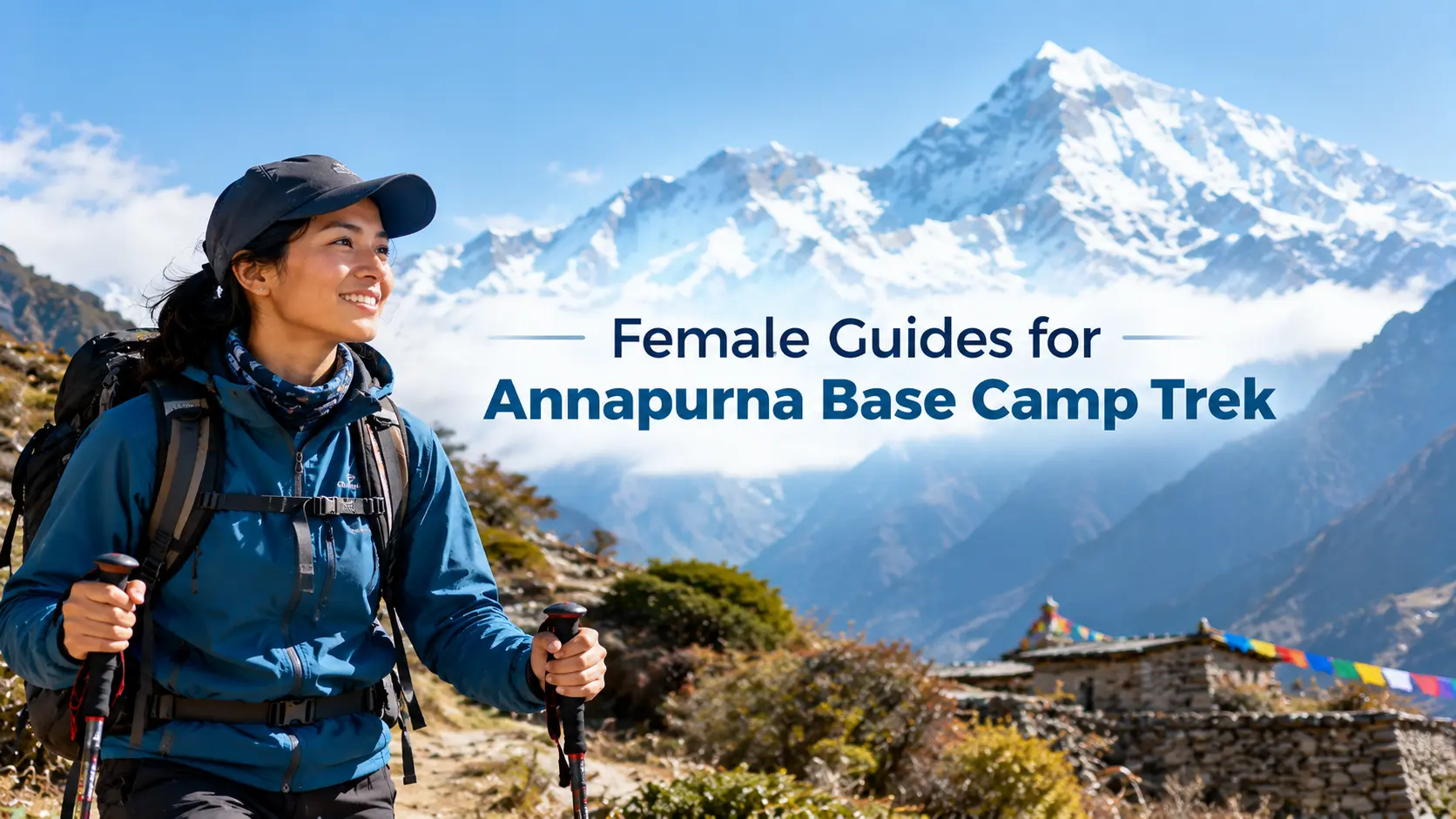
Female Guides for Annapurna Base Camp Trek
Why Choose a Female Guide for the Annapurna Base Camp Trek?
The Annapurna Base Camp Trek is a rewarding journey through green hills, quiet villages, forests, and high mountain landscapes. Along the trail, trekkers spend several days walking, staying in mountain lodges, sharing meals, and adjusting to a new environment. Having the right guide can make this experience more comfortable and meaningful. For many travelers, especially women traveling alone or in small groups, choosing a female guide can bring an added sense of comfort and confidence.
A Female Guides for Annapurna Base Camp Trek can understand some of the practical concerns that women may have during a multi-day journey. Simple things such as privacy, personal space, hygiene, clothing, and managing daily routines can feel different when traveling in remote mountain areas. A female guide who has experience on the trail can offer practical support while respecting each traveler’s personal needs. This can be especially helpful for women who are trekking in Nepal for the first time.
Comfort is also important during a long trek. Solo female travelers may initially feel uncertain about traveling through unfamiliar villages and mountain trails. Having a knowledgeable female guide beside them can create a familiar and supportive environment. The guide can help with communication at tea houses, explain local customs, assist with daily arrangements, and make sure the traveler knows what to expect during each part of the journey.
Good guiding, however, is not simply about being a woman. Experience, training, communication, route knowledge, and responsible decision-making are equally important. A professional guide should understand the Annapurna trail, recognize signs of altitude-related problems, manage the pace of the trek, and respond calmly when plans need to change. A skilled female guide combines these professional qualities with an understanding of the experiences that women travelers may face on the trail.
The relationship between a guide and traveler can also become an important part of the trekking experience. Walking for several hours each day creates time for conversations, stories, and shared moments. A friendly guide can introduce travelers to local culture, explain the meaning behind village traditions, and share knowledge about the mountains and communities along the route. This makes the trek feel more personal than simply following a trail from one destination to another.
For a women-led trekking company such as Amble Himalaya, having female guides is also part of a wider effort to create opportunities for women in Nepal’s tourism industry. Women working as professional guides are building careers, gaining confidence, and becoming role models within their communities. Their presence on Himalayan trails shows that trekking and tourism can provide meaningful opportunities for women.
Choosing Female Guides for Annapurna Base Camp Trek can therefore be about more than personal comfort. It can mean traveling with someone who understands the trail, respects individual needs, communicates openly, and helps create a warm and welcoming environment throughout the journey. For many women, that sense of trust can make the experience of reaching Annapurna Base Camp even more special.
Meet Our Female Annapurna Base Camp Trek Guides
A good trekking guide does much more than lead the way. On the Annapurna Base Camp trail, a guide becomes the person travelers depend on for route decisions, daily arrangements, local knowledge, safety, and encouragement during long walking days. At Amble Himalaya, our female trekking team brings professional experience, knowledge of Nepal, and a genuine love for the mountains to every journey.
Our guides and travel professionals come from different backgrounds, but they share a common goal: to help travelers experience the Himalayas in a safe, respectful, and meaningful way. Their stories also reflect the growing role of women in Nepal’s tourism industry.
Irada Subedi – Travel Advisor and Travel Guide
Irada Subedi is a civil engineer by education who chose to build her career in tourism because of her passion for travel and the mountains. She has trekked through several challenging regions of Nepal, including the Three High Passes, Everest Base Camp, Annapurna Circuit, Kopra Region, and Gosaikunda. These experiences have given her first-hand knowledge of different landscapes, cultures, and mountain trails.
Irada is fluent in English and is known for her communication skills and friendly approach. Her experience on high-altitude routes helps her understand the practical challenges trekkers may face during a long Himalayan journey. Her commitment to sustainable tourism also reflects Amble Himalaya’s focus on responsible travel.
Pratima Bhatta – Travel Advisor and Travel Guide
Pratima Bhatta brings experience from development work as well as trekking and tourism. She has a strong understanding of Nepal’s trekking routes, natural heritage, and local communities. Her background as a development practitioner gives her a wider view of how tourism can create opportunities for local people while protecting the environment.
Pratima is particularly passionate about sustainable tourism and women’s participation in the industry. Her work and leadership have also been recognized through initiatives such as the Nepal Tourism Board’s Women in Tourism program. She enjoys sharing Nepal’s culture and mountain landscapes with travelers and creating experiences that go beyond simply completing a trekking route.
Samjhana Pokhrel – CEO
Samjhana Pokhrel leads Amble Himalaya as its CEO and brings more than a decade of experience in the tourism sector. With an MBA and experience in sustainable tourism initiatives, she has worked to create opportunities for women through tourism, training, employment, and local business development.
Although her main role is leadership and management, her connection with the trekking and tourism industry helps shape the values behind the team. Her work focuses on responsible tourism and creating a stronger place for women within Nepal’s travel industry.
Sushila Shrestha, Luna Puri, and Sital Rijal are also important members of the Amble Himalaya team, working in travel advising, sales, correspondence, itinerary planning, sustainable tourism, and customer support. Their academic backgrounds in travel, tourism, hospitality, and sustainable development help the team provide thoughtful arrangements before and during a trek.
For travelers choosing Female Guides for Annapurna Base Camp Trek, this combination of field experience, tourism education, local knowledge, and personal dedication can make the journey feel more comfortable and connected. Each woman brings her own story to the trail, while together they represent the values of a women-led trekking organization in Nepal.
Experience and Skills of Our Female Trekking Guides
A trekking guide is one of the most important people on a journey in the Himalayas. The beauty of the Annapurna region may attract travelers, but a safe and enjoyable trek also depends on good planning, local knowledge, and an experienced person who knows how to respond when conditions change. Our female trekking guides combine knowledge of the mountains with practical experience gained from working with travelers on different trails in Nepal.
Strong route knowledge is one of the most important skills a guide needs. The Annapurna Base Camp trail passes through villages, forests, stone steps, bridges, and higher mountain areas. Experienced guides understand the route and know the usual walking conditions, places to rest, tea houses, water sources, and important points along the trail. This helps travelers feel more confident as they move from one village to the next.
Altitude awareness is another important part of guiding in the Annapurna region. As the trail climbs higher, the body needs time to adjust to the changing elevation. A responsible guide watches the condition of each trekker, pays attention to signs of altitude sickness, and knows when a traveler may need more rest or a change in the walking plan. They do not simply focus on reaching the next destination. The health and safety of the group come first.
Our guides also understand the importance of basic first-aid and emergency response. Small problems such as blisters, tiredness, headaches, or minor injuries can become difficult during a remote trek if they are not handled properly. Guides are prepared to provide basic support and coordinate further assistance when a more serious situation occurs. Their experience helps them remain calm when unexpected problems arise.
Professional preparation is equally important. Guides working with Female Guides for Annapurna Base Camp Trek need to understand trekking permits, local regulations, route planning, and the practical requirements of Himalayan travel. They also work closely with the trekking company before and during the journey to make sure permits, accommodation, transportation, and other arrangements are properly managed.
Mountain conditions can change quickly. Rain, snow, slippery trails, strong winds, or trail changes can affect a day’s walking plan. Experienced guides use their local knowledge to make sensible decisions and adjust the pace or route when necessary. They also consider the different fitness levels within a group. A first-time trekker may need more breaks than an experienced hiker, and a good guide understands how to keep everyone comfortable without making anyone feel pressured.
There is also a strong human side to guiding in Nepal. Our guides coordinate with porters, tea house owners, drivers, local communities, and other people working along the trail. Respectful communication with local communities helps create a smoother journey and supports the people who depend on tourism.
With Female Guides for Annapurna Base Camp Trek, travelers are supported by professionals who bring together mountain experience, safety awareness, local understanding, and genuine care for the people they guide. These skills become especially valuable when the trail becomes challenging and travelers need someone they can trust beside them.
Female Guide Support for Women Trekking to Annapurna Base Camp
A trek to Annapurna Base Camp is more than a few days of walking. It means spending time away from normal routines, staying in mountain villages, sharing accommodation spaces, walking for several hours each day, and adjusting to a different climate and altitude. For women travelers, having a female guide can sometimes make these everyday parts of the journey feel easier and more comfortable.
Personal comfort matters during a multi-day trek. A female guide can provide a supportive presence without making the traveler feel uncomfortable or judged. Solo female travelers may especially appreciate having someone they can openly talk to about practical concerns during the trek. At the same time, every traveler is different, so a professional guide should listen to individual needs rather than assume that every woman wants the same type of support.
Accommodation is another area where a guide can be helpful. Tea houses along the Annapurna Base Camp route are simple and often busy during the trekking season. Female guides can explain the available arrangements, help with room allocation, and assist travelers with daily routines such as meal times, shower facilities, charging phones, and preparing for the next day’s walk. Their local experience can make these small details easier to manage.
Menstrual hygiene can also be a concern when traveling in remote mountain areas. Women may need to plan carefully because access to private bathrooms, hot water, sanitary products, and waste disposal can be different from what they are used to at home. A female guide can offer practical information and help travelers understand where they can manage personal hygiene with greater privacy. This kind of support can be especially valuable when someone is trekking in Nepal for the first time.
Clothing and packing advice is another useful part of the guide’s role. Conditions change as the trail climbs, so travelers need suitable layers, comfortable trekking shoes, rain protection, warm clothing, and personal hygiene items. A guide who knows the route can suggest what is useful for the season and help avoid carrying unnecessary items.
Rest and hydration should also remain part of the daily routine. A good guide observes how the group is doing and allows appropriate breaks instead of focusing only on covering distance. Drinking enough water, eating regular meals, and getting proper sleep can make a noticeable difference during a demanding trek. If someone feels unusually tired or unwell, the guide can discuss the situation and help decide the safest next step.
Communication can become important during longer journeys as well. Travelers may want to update family members about their progress or may need help contacting someone in an emergency. A guide can assist with local communication and coordinate with the trekking team when necessary.
Choosing Female Guides for Annapurna Base Camp Trek can provide this kind of practical and personal support while still giving each traveler independence. The role of a good female guide is not to treat every woman in the same way, but to listen, respect personal boundaries, and create an environment where travelers feel comfortable asking for help when they need it. For women walking through the villages, forests, and high mountain trails toward Annapurna Base Camp, that quiet sense of trust can become an important part of the experience.
Is Annapurna Base Camp Trek Safe with a Female Guide?
The Annapurna Base Camp Trek takes travelers through peaceful villages, green forests, stone steps, suspension bridges, and high mountain landscapes. Like any journey in the Himalayas, it needs proper preparation and responsible decision-making. For women travelers, safety may be an important part of choosing a trekking company and guide. A female guide can provide comfort and understanding, but safety on the trail depends on much more than whether the guide is male or female.
General trail safety begins with knowing the route and understanding the conditions of the trail. The Annapurna Base Camp route includes steep sections, uneven stone paths, narrow trails, and areas where rain or snow can make walking more difficult. An experienced guide knows how to manage the group on these sections and can advise trekkers when to slow down, take a break, or use extra care.
Choosing a licensed and experienced guide is an important part of a safe trek. A professional guide should have proper training, knowledge of the trekking route, and an understanding of basic first aid and emergency procedures. They should also know how to communicate with local people and coordinate with the trekking company if additional support is needed. This experience can be particularly valuable when travelers are unfamiliar with the Annapurna region.
Altitude is another important safety concern. As trekkers move toward Annapurna Base Camp, the elevation increases and the air becomes thinner. A good guide watches for signs such as unusual headaches, dizziness, nausea, weakness, or difficulty breathing. The walking pace and rest periods may need to be adjusted depending on how the group is responding to the altitude. Ignoring serious symptoms simply to stay on schedule can create unnecessary risk.
Weather and trail conditions can also change the experience. Rain can make stone paths slippery, while snow can affect higher sections of the route during certain seasons. Experienced Female Guides for Annapurna Base Camp Trek can use their knowledge of local conditions to help travelers prepare for the day’s walk. When conditions become difficult, the safest choice may sometimes be to change the timing or plan rather than continue without considering the risks.
Emergency planning is another responsibility of a professional trekking team. If a traveler becomes seriously unwell or injured, the guide should know how to contact the appropriate local support and coordinate with the trekking company. Clear communication within the group is important, especially in remote areas where immediate services may not be available.
Accommodation and group management also affect safety. Guides can help travelers understand tea house arrangements, keep track of group members, coordinate meal and walking times, and make sure everyone knows the plan for the following day.
For women considering Female Guides for Annapurna Base Camp Trek, having a female guide can provide an added feeling of comfort and open communication. However, guide quality should always come first. Experience, training, route knowledge, emergency awareness, communication skills, and responsible judgment are more important than gender alone. A capable guide, supported by a reliable trekking company, helps create the conditions for a safer and more comfortable Annapurna Base Camp experience.
How to Book a Female Guide for Annapurna Base Camp Trek
For many women planning the Annapurna Base Camp Trek, having a female guide is a personal preference that can make the journey feel more comfortable. A female guide can provide practical support, local knowledge, and friendly companionship while walking through the mountain villages and trails. If you would like a female guide, it is useful to mention this when making your trekking inquiry so the agency can check availability and arrange a suitable guide for your dates.
At Amble Himalaya, travelers can specifically request a female guide for their Annapurna Base Camp journey. The agency is women-led and has female travel advisors and guides with experience across different trekking regions of Nepal. Guide availability can depend on the travel dates, trekking season, group size, and existing bookings, so making a request early is helpful.
Travelers can also choose between private and group trekking options. A private trek offers more flexibility with walking pace, rest stops, itinerary planning, and daily arrangements. It can be a good choice for solo female travelers, couples, families, or friends who want a more personal experience. Group trekking allows travelers to share the journey with other people and can be a social and budget-friendly option.
When making an inquiry, travelers should provide a few basic details. These normally include preferred trekking dates, number of people, age range, previous trekking experience, fitness level, and whether they specifically want a female guide. It is also helpful to mention any dietary needs, preferred accommodation arrangements, or other personal requirements that may affect the trek.
The length of the trek should also be discussed before booking. A standard Annapurna Base Camp itinerary may vary depending on the starting point, walking pace, transportation arrangements, and whether travelers want extra days for rest or exploration. A trekking company can prepare an itinerary based on the available time and interests of the group.
Permits and logistics are generally arranged as part of the trekking service. For the Annapurna region, travelers need the required trekking permits and registration documents. Transportation, accommodation, meals, guide services, and porter arrangements can vary depending on the selected package. Before confirming the trek, travelers should clearly check what is included and excluded from the price.
A simple booking process usually starts with an inquiry. Share your preferred dates, group size, trekking preferences, and request for a female guide. The trekking company can then check guide availability, discuss the itinerary, provide the package details, and explain the required permits and arrangements.
For travelers specifically searching for Female Guides for Annapurna Base Camp Trek, early communication gives the company more opportunity to match the trip with an experienced guide who is available for the chosen dates. Once the itinerary and services are agreed upon, the booking can be confirmed and the preparation for the journey can begin.
Why Women Travelers Choose Our Female-Led Trekking Team
For many women, choosing a trekking company is about more than finding a suitable itinerary and price. It is also about knowing who will be looking after the journey, how the team works, and whether they will feel comfortable asking questions or sharing concerns along the way. At Amble Himalaya, our women-led team has been built around these ideas, with a strong focus on personal service, responsible travel, and opportunities for women in Nepal’s tourism industry.
Amble Himalaya is led and run by women, with female professionals involved in management, travel planning, customer communication, and guiding. This gives the company a different perspective when designing trekking experiences for women travelers. The team understands that every traveler has different expectations, so the focus is not on treating all women the same, but on listening to their needs and creating a journey that feels right for them.
Our female guides are an important part of this experience. They bring knowledge of Nepal’s trekking routes, local culture, mountain communities, and the practical realities of walking in the Himalayas. Some members of the team have experience on routes such as Annapurna, Everest, the Three High Passes, Kopra, and Gosaikunda. Their personal experience on the trails allows them to share more than directions. They can talk about village life, local traditions, mountain landscapes, and the small moments that make a trek memorable.
The team also has experience working with travelers from different countries and backgrounds. International travelers may have different expectations about accommodation, food, communication, personal space, and daily trekking routines. Clear communication and patience are important when working with people who are experiencing Nepal for the first time. Our travel advisors and guides work together before and during the trip to keep arrangements clear and organized.
Responsible tourism is another important part of the company’s approach. Trekking takes place in communities where local people, businesses, porters, guides, and accommodation providers all play a role. Working respectfully with these communities helps create a better experience for travelers while supporting people whose livelihoods are connected to tourism.
For Amble Himalaya, supporting women in tourism is also a practical commitment. By creating opportunities for female guides, travel advisors, and tourism professionals, the company helps women build careers in a field that has traditionally had more men in many outdoor roles. These opportunities can give women greater independence, confidence, and a chance to become role models in their communities.
For women looking for Female Guides for Annapurna Base Camp Trek, this women-led approach can provide an additional level of comfort and connection. The journey can be planned around the traveler’s interests, fitness level, preferred pace, and available time rather than following a one-size-fits-all plan. From the first inquiry to the mountain trail, the aim is to provide personal attention while allowing each traveler to experience the Annapurna region in her own way.


