

Gokyo – The Beautiful Himalayan Village of Lakes, Glaciers, and Everest Views
Gokyo Valley Trek Overview
The Gokyo Valley Trek is one of the most beautiful trekking journeys in the Everest region of Nepal. This trek takes you to a peaceful mountain valley filled with bright blue lakes, snowy peaks, and quiet Sherpa villages. Many trekkers who want a calm and scenic adventure choose Gokyo instead of the busier Everest Base Camp trail. The route offers amazing mountain views, unique landscapes, and a chance to experience real life in the high Himalayas.
The trek is located inside Sagarmatha National Park, a protected area in the Everest region of Nepal. This national park is also a UNESCO World Heritage Site and is home to many famous mountains, glaciers, and wildlife. During the Gokyo Valley Trek, trekkers walk through deep valleys, cross suspension bridges, and follow old trails used by the Sherpa people for many generations. The journey slowly climbs higher into the mountains, giving you new views every day.
Most trekking plans take about 11 days to complete the journey. The adventure usually begins with a short and exciting flight from Kathmandu to Lukla, a small mountain airport. From Lukla, trekkers walk through villages like Phakding and Namche Bazaar before leaving the main Everest Base Camp trail. The path then moves into the quieter Gokyo Valley, where the landscape becomes more open and wild. The trail passes through villages such as Dole and Machhermo before reaching the peaceful village of Gokyo beside a high mountain lake.
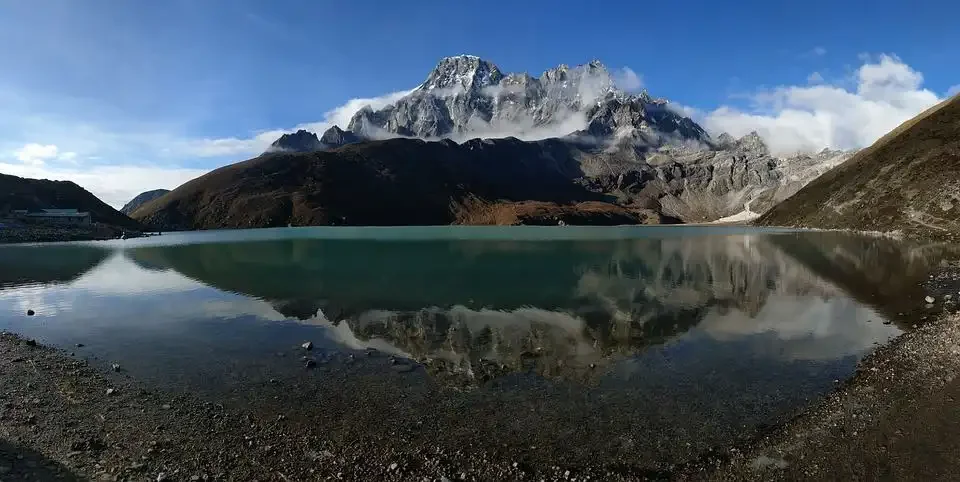
One of the biggest highlights of the trek is the famous Gokyo Lakes. These lakes are a group of clear glacial lakes that sit high in the Himalayas. The water is very clean and shines in beautiful shades of blue and green. The largest lake, called Dudh Pokhari, sits right next to the village of Gokyo. When the weather is calm, the snowy mountains reflect on the lake’s surface, creating a peaceful and unforgettable view.
Another important highlight is the climb to Gokyo Ri, a viewpoint that stands at about 5,357 meters above sea level. The hike to the top is steep but very rewarding. From the summit, trekkers can see a wide view of some of the tallest mountains in the world, including Mount Everest, Lhotse, Makalu, and Cho Oyu. Many trekkers say the view from Gokyo Ri is one of the best mountain panoramas in the Everest region.
The trek also passes near the Ngozumpa Glacier, the longest glacier in Nepal. This glacier looks like a giant frozen river made of rock and ice. Walking beside it gives trekkers a close look at the powerful forces that shape the Himalayan landscape. The glacier adds a dramatic and wild feeling to the journey through the valley.
One reason many trekkers love the Gokyo route is that it is quieter than the traditional Everest Base Camp trek. The Everest Base Camp trail can become busy during the main trekking seasons, especially in spring and autumn. The Gokyo trail branches away from that route near Namche Bazaar, which means fewer trekkers continue into the valley. This makes the experience feel more peaceful and natural. You can walk slowly, enjoy the sounds of the wind and rivers, and spend more time taking in the beauty of the mountains.
Where Is Gokyo Valley Located
Gokyo Valley is located inside Sagarmatha National Park in eastern Nepal. This national park is also home to the world’s highest mountain, Mount Everest, and many other beautiful Himalayan peaks. The valley lies in the famous Everest Region, which is one of the most popular trekking areas in the country. Many trekkers visit this region every year to see high mountains, glaciers, Sherpa villages, and peaceful alpine lakes.
The journey to Gokyo Valley usually begins with a short mountain flight from Kathmandu to Lukla. Lukla is a small mountain town with a famous airport. It is the main gateway for many Everest treks. After landing in Lukla, trekkers start walking through small villages, forests, and river valleys. From here, the trail slowly climbs deeper into the Himalayas.
One of the first important stops on the route is Namche Bazaar. Namche Bazaar is a lively mountain town and the main trading center of the Everest region. Many trekkers spend an extra day here to rest and adjust to the altitude. The town has small bakeries, cafes, trekking shops, and great mountain views. From Namche Bazaar, trekkers continue their journey toward the quiet side of the Everest region where Gokyo Valley is located.
After leaving Namche, the trail goes through smaller villages such as Dole and Machhermo. These villages are much quieter and surrounded by beautiful mountain landscapes. The path passes through open hills, yak grazing areas, and rocky trails. As trekkers walk higher, the views of snowy peaks become clearer and the air becomes cooler. This part of the trek feels peaceful because fewer trekkers travel on this route compared to the Everest Base Camp trail.
The final destination of the trek is the beautiful Gokyo Valley, which sits beside a chain of bright blue glacial lakes. These lakes are known as the Gokyo Lakes and are among the highest freshwater lake systems in the world. The village of Gokyo lies next to the third lake, which is the largest in the area. From this village, trekkers can explore the lakes and climb nearby viewpoints.
One of the most famous viewpoints near Gokyo is Gokyo Ri. From the top of this peak, trekkers can see amazing views of Everest, Lhotse, Makalu, and Cho Oyu. Another important natural feature in this area is the Ngozumpa Glacier, which is the largest glacier in Nepal. The glacier flows down from the high mountains and stretches for many kilometers across the valley.
Because of its location away from the main Everest Base Camp trail, Gokyo Valley feels more peaceful and less crowded. Many trekkers choose the Gokyo route to enjoy quiet trails, beautiful lakes, and wide mountain views. The journey to Gokyo also gives travelers a chance to see traditional Sherpa culture and experience life in remote Himalayan villages.
Major Highlights of the Gokyo Valley Trek
The Gokyo Valley Trek is known for its peaceful trails, beautiful lakes, and wide mountain views. Many trekkers choose this route because it offers amazing scenery in the Everest region while staying quieter than the busy Everest Base Camp trail. The journey to Gokyo takes trekkers through Sherpa villages, high mountain valleys, and glacial landscapes. Each day on the trail shows something new and special.
One of the biggest highlights of the trek is the group of six sacred Gokyo Lakes. These lakes are bright blue and sit high in the Himalayas. They are among the highest freshwater lake systems in the world. The lakes are also very important for local people and are considered sacred in both Buddhist and Hindu traditions. As trekkers walk toward Gokyo, they slowly pass several of these lakes. The clear water reflects the snowy mountains around the valley, creating a calm and beautiful scene. The village of Gokyo lies beside the third lake, which is the largest and most famous of the group.
Another major highlight of the trek is climbing Gokyo Ri. This viewpoint stands at about 5,357 meters above sea level. The climb usually starts early in the morning from the village of Gokyo. The trail is steep but not technical, and many trekkers reach the top with slow and steady walking. From the summit, trekkers can enjoy one of the best mountain panoramas in Nepal. On a clear day, it is possible to see four of the world’s tallest mountains.
From the top of Gokyo Ri, trekkers can see Mount Everest, the highest mountain on Earth. Nearby stands Lhotse, which is the fourth highest mountain in the world. Further in the distance rises Makalu, known for its sharp pyramid shape. Another massive peak visible from this viewpoint is Cho Oyu, the sixth highest mountain in the world. These snowy giants form a stunning backdrop above the valley.
Crossing the Ngozumpa Glacier is another exciting experience during the trek. This glacier is the longest glacier in Nepal and stretches across the valley for many kilometers. The trail crosses the rough surface of the glacier, where trekkers walk over rocks, ice, and small ridges. The landscape here feels wild and dramatic, showing the power of nature in the high Himalayas. Seeing the glacier up close is a special part of the journey to Gokyo.
The trek also passes through traditional Sherpa villages along the route. Places like Dole and Machhermo offer a chance to see the daily life of local people living in the mountains. Stone houses, prayer flags, small monasteries, and yak pastures are common sights along the trail. Trekkers often stop at tea houses run by Sherpa families, where they can enjoy warm meals and simple mountain hospitality.
Walking through forests, open hills, and high alpine landscapes adds more beauty to the journey. As trekkers move closer to Gokyo, the scenery becomes more dramatic with snowy peaks, glaciers, and bright lakes. These natural features make the Gokyo area one of the most beautiful trekking destinations in the Everest region. The combination of sacred lakes, high mountain views, and peaceful villages makes the journey to Gokyo a unique Himalayan experience.
Gokyo Lakes – The Sacred Lakes of the Himalayas
One of the most beautiful parts of the Gokyo Valley Trek is visiting the famous Gokyo Lakes. These lakes are a group of high mountain lakes located in the Everest region of Nepal. They sit at a very high altitude in the Himalayas and are known for their bright blue color and peaceful surroundings. Many trekkers travel to Gokyo to see these special lakes and enjoy the quiet beauty of the valley.
The Gokyo lake system is made up of six main lakes. These lakes were formed from glacier meltwater coming from nearby Himalayan glaciers. They lie at an altitude between about 4,700 meters and 5,000 meters above sea level. Because of this high location, the lakes remain cold and clear throughout the year. The lakes are surrounded by rocky hills, snow-covered peaks, and glaciers, which makes the scenery very impressive.
The largest and most famous lake is called Thonak Lake. It is also known as the third lake and lies next to the village of Gokyo. Most trekkers stay overnight in this village while exploring the lakes and nearby viewpoints. The bright blue water of the lake and the reflection of the surrounding mountains create a calm and beautiful landscape.
The six lakes are connected by small streams and lie along the trekking route leading toward Gokyo. As trekkers walk higher into the valley, they pass several of these lakes one after another. Each lake looks slightly different depending on the sunlight, season, and surrounding glacier views. The peaceful environment around Gokyo makes this area feel special and different from other trekking places in the Everest region.
These lakes are considered sacred by both Hindus and Buddhists. Local people believe the lakes are holy and connected to religious traditions. Every year during the festival of Janai Purnima, many Hindu pilgrims travel to the lakes to pray and take a holy bath in the cold water. This religious importance makes the Gokyo Lakes not only a natural attraction but also a spiritual place for many people.
Because of their ecological and cultural value, the Gokyo Lakes are protected as part of a Ramsar wetland site. The Ramsar Convention recognizes wetlands around the world that are important for nature and wildlife. The lakes and surrounding wetlands support alpine plants, birds, and other mountain wildlife. Protecting this fragile environment is very important because the high Himalayan ecosystem is sensitive to climate and environmental changes.
One of the most magical sights in the area is the reflection of the mountains in the clear lake water. On calm mornings, the lakes mirror the surrounding peaks and glaciers. Trekkers standing near the lakes can see beautiful reflections of snowy mountains such as Cho Oyu, one of the highest mountains in the world. The nearby glaciers also add to the dramatic landscape around Gokyo.
The views become even more impressive during sunrise and sunset. At these times, the mountains glow with soft light, and the lakes change color from deep blue to bright turquoise. The peaceful environment, fresh mountain air, and wide views make the lakes one of the most memorable parts of visiting Gokyo in the Everest region.
Climbing Gokyo Ri – The Best Viewpoint in the Everest Region
One of the most exciting experiences during the Gokyo Valley Trek is climbing Gokyo Ri. This famous viewpoint stands at an altitude of about 5,357 meters above sea level. From the top, trekkers can see some of the best mountain views in the entire Everest region. Because of this amazing panorama, many trekkers consider Gokyo Ri one of the finest viewpoints in the Himalayas.
The climb to Gokyo Ri usually begins early in the morning from the village of Gokyo. Starting early allows trekkers to reach the summit in time for sunrise. The morning light slowly touches the snowy peaks and creates beautiful colors across the mountains. The quiet environment and clear sky in the early hours make the experience even more special. Many trekkers staying in Gokyo wake up before sunrise to begin the climb while the air is still calm and fresh.
The trail to the top of Gokyo Ri is steep but not technical. Trekkers walk on a rocky path that slowly climbs above the village and nearby lakes. Because of the high altitude, the climb can feel challenging. Most trekkers take around two to three hours to reach the summit, depending on their walking pace. Moving slowly and taking short breaks helps the body adjust to the thin mountain air. Even though the climb requires effort, many trekkers feel proud and happy when they reach the top of Gokyo Ri.
From the summit, trekkers enjoy a wide 360-degree view of the Himalayas. Several of the world’s highest mountains can be seen from this single viewpoint. The tallest mountain on Earth, Mount Everest, rises proudly in the distance. Nearby stands Lhotse, which is the fourth highest mountain in the world. Another massive peak visible from Gokyo Ri is Makalu, known for its sharp pyramid shape. Trekkers can also clearly see Cho Oyu, the sixth highest mountain in the world.
Besides the giant peaks, the view also includes glaciers, valleys, and the beautiful Gokyo Lakes below. The bright blue lakes look even more impressive when seen from high above the valley. The long stretch of the Ngozumpa Glacier can also be seen from the summit. This glacier is the largest glacier in Nepal and flows down the valley like a frozen river. Looking down at the village of Gokyo and the lakes gives trekkers a clear idea of the landscape of this special Himalayan valley.
Many trekkers compare Gokyo Ri with Kala Patthar, another famous viewpoint in the Everest region. Kala Patthar is popular for its close view of Mount Everest near Everest Base Camp. However, some trekkers say that the view from Gokyo Ri feels wider and more peaceful. From the summit near Gokyo, trekkers can see four of the world’s tallest mountains in one panoramic view along with glaciers and lakes.
The quiet trails and open landscape around Gokyo make the climb feel calm and rewarding. The sunrise colors, wide mountain views, and peaceful surroundings make Gokyo Ri one of the most memorable highlights of the trek. Many trekkers remember this viewpoint as one of the most beautiful moments of their journey in the Everest region.
Gokyo Valley Trek Difficulty
The Gokyo Valley Trek is usually considered a moderate level trek in the Everest region. It is suitable for people who are in good health and have basic trekking experience. Many travelers who enjoy mountain walking choose this route because it offers beautiful Himalayan scenery without requiring technical climbing skills. The journey to Gokyo takes trekkers through mountain villages, forests, and high alpine landscapes, which makes the trek both exciting and physically active.
During the trek, people usually walk around five to seven hours each day. Some days may feel shorter, especially when the trail is gentle or when the destination village is close. On other days, the walking time can be longer because the trail climbs higher into the mountains. The path toward Gokyo includes both gradual climbs and some steep sections, but most of the trail is well marked and easy to follow. Trekkers walk on dirt paths, rocky trails, and sometimes across glacier areas.
One of the main challenges of the trek is the high altitude. As trekkers travel higher toward Gokyo, the air becomes thinner and contains less oxygen. This can make walking feel slower and more tiring than normal. The highest places during the trek reach over 5,000 meters, especially when climbing viewpoints such as Gokyo Ri. Because of this altitude, it is important for trekkers to walk slowly and give their bodies enough time to adjust.
Most trekking itineraries include rest days in villages such as Namche Bazaar to help with acclimatization. Rest days allow the body to adapt to the altitude and reduce the risk of altitude sickness. Trekkers often spend these days exploring nearby hills or villages before continuing the journey. Taking time to adjust makes the trek to Gokyo safer and more comfortable.
Another good thing about the Gokyo Valley Trek is that it does not require technical climbing. Trekkers do not need ropes, special climbing equipment, or mountaineering skills. The trail mainly follows walking paths used by local people, yak caravans, and trekkers. Even when crossing large natural features like the Ngozumpa Glacier, the route remains a trekking path rather than a climbing route.
Although technical climbing is not needed, good physical fitness is still very important. Trekkers should be able to walk for several hours each day while carrying a small backpack. Preparing the body before the trek helps make the journey easier and more enjoyable. Activities such as hiking, jogging, cycling, or regular walking can help build the stamina needed for long trekking days.
The trail to Gokyo also includes many uphill and downhill sections. Walking uphill at high altitude can feel slow, so trekkers often follow the simple rule of walking at a steady pace. Taking small steps, drinking enough water, and resting when needed helps keep energy levels steady throughout the day. This slow and steady approach works well when trekking in the high mountains.
The peaceful environment and beautiful scenery often make the effort feel worthwhile. As trekkers move closer to Gokyo, the landscape becomes more dramatic with glaciers, snowy peaks, and bright blue lakes. The combination of moderate challenge and stunning views makes the Gokyo Valley Trek a rewarding adventure for many mountain travelers.
Best Time for Gokyo Valley Trek
Choosing the right season is important when planning the Gokyo Valley Trek. Weather and mountain conditions can change a lot in the Himalayas. The best time to visit Gokyo is during the spring and autumn seasons. During these months, the weather is usually stable, the skies are clearer, and the mountain views are very beautiful.
Spring is one of the best seasons for trekking in the Everest region. Spring in Nepal usually lasts from March to May. During this time, the weather slowly becomes warmer after the cold winter months. The trekking trails are comfortable for walking, and many parts of the hills and forests become colorful with blooming flowers.
One of the special sights during spring is the blooming rhododendron forest. Rhododendron is the national flower of Nepal. These flowers grow in large forests along the lower trekking trails. Trekkers walking toward Gokyo can see red, pink, and white rhododendron flowers covering the hills. This colorful scenery makes the early part of the trek very pleasant.
Spring is also a good time for mountain views. The skies are often clear in the mornings, and trekkers can see the snowy peaks shining in the sunlight. From high viewpoints such as Gokyo Ri, the views of the surrounding Himalayan mountains look very impressive during this season. The temperature is also comfortable, especially during the daytime when trekkers are walking toward Gokyo.
Autumn is another excellent time for the trek. The autumn season in Nepal usually lasts from September to November. After the summer monsoon rains end, the air becomes fresh and clean. This creates very clear visibility across the mountains and valleys. Because of this, many trekkers visit Gokyo during autumn to enjoy the best mountain scenery.
During autumn, the skies are usually bright blue and the weather stays stable for many days. Trekkers often get clear views of famous Himalayan peaks such as Mount Everest, Lhotse, and Cho Oyu. These peaks can be seen from several places along the trail leading to Gokyo. The dry weather and clear skies make autumn one of the most popular trekking seasons in the Everest region.
Winter is also possible for trekking, but conditions can be colder and more challenging. Winter lasts from December to February in the Himalayas. Temperatures can drop far below freezing, especially at night. Snowfall may cover some parts of the trail, and high passes or viewpoints can become difficult to reach. However, winter trekking also offers quiet trails because fewer trekkers travel to Gokyo during this time.
The summer monsoon season runs from June to August. During these months, Nepal receives heavy rainfall. The lower trekking trails can become muddy and slippery, and clouds often hide the mountain views. Flights to Lukla may also face delays because of poor weather conditions. Because of these challenges, fewer trekkers choose the monsoon season for visiting Gokyo.
Each season offers a slightly different experience in the Himalayas. Spring brings colorful forests and comfortable temperatures, while autumn offers some of the clearest mountain views in the Everest region. The choice of season often depends on weather preference, trekking experience, and the type of scenery trekkers want to enjoy while traveling toward Gokyo.
Gokyo Valley Trek Cost for 2025/2026
The Gokyo Valley Trek is one of the most beautiful trekking routes in the Everest region of Nepal. Many trekkers choose this route because it offers peaceful trails, high mountain views, and the famous Gokyo Lakes. Before planning the journey, it is important to understand the total cost of the trek. The price can change depending on services, group size, and trekking season.
For the 2025 and 2026 trekking seasons, the average price for the Gokyo Valley Trek package is around $1250 per person. This cost usually includes the main services needed during the trek. Most trekking companies in Nepal offer similar packages for travelers who want a safe and organized journey to Gokyo.
One of the main costs included in the package is the trekking guide. A professional guide helps trekkers navigate the mountain trails and ensures safety during the journey. Guides also share useful information about the culture, villages, and mountains of the Everest region. Having a guide makes the trekking experience smoother, especially for trekkers visiting Gokyo for the first time.
Another important part of the cost is trekking permits. Trekkers must obtain special permits to enter protected areas in the Everest region. The two main permits required are the Sagarmatha National Park entry permit and the Khumbu Pasang Lhamu Rural Municipality permit. These permits help protect the natural environment and support local communities. Without these permits, trekkers cannot continue the journey toward Gokyo.
Domestic flights are also included in many trekking packages. The trek normally begins with a scenic flight from Kathmandu to Lukla or drive to manthali then flight to lukla, which is the main gateway to the Everest region. The flight itself is a memorable experience because travelers can see snow-covered mountains from the air. After landing in Lukla, the trekking journey toward Gokyo begins on foot through mountain villages and valleys.
Accommodation is another service included in most packages. During the trek, trekkers stay in local tea houses or lodges along the trail. These lodges provide simple rooms with beds and blankets. The tea houses also serve meals such as dal bhat, noodles, rice, soup, and tea. Staying in these mountain lodges allows trekkers to rest comfortably while traveling toward Gokyo.
Compared to the popular Everest Base Camp Trek, the Gokyo Valley Trek usually costs a similar or slightly lower amount. Many Everest Base Camp packages range from about $1300 to $1600 depending on the itinerary and services. The EBC route is more crowded because it is the most famous trek in Nepal. In contrast, the trails leading to Gokyo are quieter and less busy, which many trekkers enjoy.
Another reason the cost may be slightly lower is that some Gokyo itineraries have fewer trekking days compared to longer Everest Base Camp programs. However, both treks still include similar services such as guides, permits, flights, and accommodation. The experience of trekking in the Everest region remains equally impressive on both routes.
Travelers planning a Himalayan adventure often choose Gokyo because it offers amazing lakes, glacier views, and peaceful trails. The cost of around $1250 makes it a good value for trekkers who want to explore the Everest region while avoiding the large crowds found on other routes.
Permits Required for Gokyo Valley Trek
Trekking to Gokyo in the Everest region requires specific permits to protect the environment and support local communities. These permits are essential for all trekkers entering Sagarmatha National Park and traveling in the Khumbu region. Without these permits, trekkers cannot continue to Gokyo or the surrounding areas.
The first permit required is the Sagarmatha National Park Entry Permit. This permit is issued by the national park authorities and is needed to enter the protected area of the Everest region. Sagarmatha National Park covers the famous mountains, glaciers, and valleys around Gokyo, including Mount Everest, Lhotse, and Cho Oyu. Trekkers can obtain this permit in Kathmandu before starting the trek or in Lukla, which is the gateway to the region. Many trekking companies help their clients get this permit as part of the trekking package.
The second permit is the Khumbu Pasang Lhamu Rural Municipality Permit. This permit is required for traveling in the local villages and trails near Gokyo. It is issued by the Khumbu local government office and helps fund local development and conservation activities. Trekkers can get this permit in Kathmandu or in Lukla, depending on their trekking plan. Local trekking agencies often assist in obtaining both permits, which makes the process easier for international travelers.
Both permits are part of Nepal’s effort to manage tourism in high mountain areas. They ensure that trekking in the Gokyo Valley remains safe, organized, and environmentally friendly. Trekkers are usually required to show these permits at checkpoints along the trail, including in villages such as Namche Bazaar, Dole, and Machhermo. Authorities may check permits to make sure everyone entering the park follows the rules.
The cost of the permits is different for foreign and domestic trekkers. International visitors pay a higher fee, which helps support conservation efforts and local communities in the Khumbu region. The money collected is used for maintaining trails, protecting wildlife, and supporting villages along the route to Gokyo. Carrying these permits also encourages responsible tourism, which keeps the trails clean and safe for future trekkers.
It is important for trekkers to carry a copy of their Sagarmatha National Park and Khumbu Pasang Lhamu Rural Municipality permits during the entire journey to Gokyo. Losing a permit can cause delays, as trekkers need to replace it at a local office. Trekking companies often provide guidance on how to handle permits, including photocopying and keeping them in a safe place while walking through high-altitude trails.
Permits are a small but essential part of trekking in the Everest region. They allow travelers to enjoy the natural beauty of Gokyo, its lakes, glaciers, and mountains, while helping protect the environment and supporting the local Sherpa communities along the route.
Accommodation and Food During the Gokyo Valley Trek
During the Gokyo Valley trek, accommodation is mainly in teahouses and lodges along the trekking route. These teahouses are small family-run guesthouses that provide a place to rest, sleep, and eat for trekkers. They are found in villages and settlements like Namche Bazaar, Dole, Machhermo, and of course near Gokyo itself. Most teahouses have shared rooms with simple bedding, and some offer private rooms for travelers who prefer more comfort. Hot showers are available in some lodges, especially in larger villages, though at higher altitudes near Gokyo, facilities may be basic.
Food on the Gokyo trek is simple, nutritious, and designed to give energy for long walking days. One of the most common meals is dal bhat, a traditional Nepali dish made of lentil soup, rice, and vegetables. Dal bhat is filling and provides the necessary carbohydrates and protein needed for trekking at high altitude. Other popular options include noodles, soups, and bread with eggs. Tea, coffee, and hot chocolate are widely available, and many trekkers enjoy butter tea or herbal teas in the evenings to warm up after a cold day in the mountains.
Teahouses along the Gokyo trail also provide snacks like cookies, biscuits, chocolate, and instant noodles. It is advisable to carry some personal snacks as prices increase at higher altitudes near Gokyo. Drinking water is available, but many trekkers prefer to bring a water filter or purification tablets to make sure the water is safe, especially at remote teahouses near the lakes.
The lodge facilities vary depending on the village size and altitude. In larger settlements like Namche Bazaar, lodges may have internet, charging facilities, and comfortable dining areas. In smaller villages or near the Gokyo Lakes, lodges are simpler with wooden floors, mats, and shared bathrooms. Most lodges provide warm blankets, and it is recommended to carry a sleeping bag, as temperatures can drop significantly at night.
Meals in teahouses are cooked fresh and served in a communal dining area, which is a great place to meet other trekkers and share experiences. In addition to local dishes, some teahouses offer Western food like pasta, pancakes, and fried rice for travelers who want variety. The combination of local Nepali meals and occasional Western options helps trekkers maintain energy and enjoy their journey to Gokyo without worrying about food.
Staying in teahouses also gives trekkers a chance to experience Sherpa hospitality and learn about local culture. The lodge owners are often from nearby Sherpa villages and are happy to share stories about life in the mountains, making the trek to Gokyo both physically rewarding and culturally enriching. The mix of simple accommodation, traditional meals, and mountain views makes the Gokyo Valley trek a memorable experience for travelers from around the world.
Altitude and Acclimatization Tips for Gokyo Valley Trek
Trekking to Gokyo Valley involves walking at high altitudes, which makes acclimatization very important for a safe and enjoyable journey. The trek passes through villages like Namche Bazaar and Machhermo before reaching the higher regions around Gokyo, where elevations range from 3,400 meters in Namche to over 5,000 meters at Gokyo Lakes. At these heights, the body needs time to adjust to lower oxygen levels to avoid serious health problems.
One of the most common issues at high altitude is Acute Mountain Sickness (AMS). Symptoms include headaches, nausea, dizziness, loss of appetite, and trouble sleeping. In severe cases, AMS can develop into more dangerous conditions such as high-altitude pulmonary edema (HAPE) or high-altitude cerebral edema (HACE). Trekkers heading to Gokyo should be aware of these symptoms and monitor themselves and their companions carefully.
A recommended strategy during the Gokyo trek is to take rest days at key villages. Namche Bazaar, at 3,440 meters, is often used for an acclimatization day. During this day, trekkers can explore the village, visit local markets, or take a short hike to nearby viewpoints. Walking slowly, avoiding overexertion, and spending extra time outdoors at moderate activity levels helps the body adjust to the altitude.
Hydration is another essential factor for successful acclimatization. Trekkers on the Gokyo trail should drink plenty of water throughout the day, as the dry mountain air increases fluid loss. Warm drinks like tea and soups can also help maintain hydration and body warmth. Alcohol and smoking should be avoided, as they can slow the acclimatization process.
Sleeping altitude should also be considered. It is better to sleep at the same elevation where you spent the day or slightly lower if possible. Trekking from Dole to Machhermo or from Machhermo to Gokyo, for example, should be done gradually, and climbers may plan an extra day at Gokyo to allow their bodies to adjust before attempting Gokyo Ri or exploring higher lakes.
Other tips include maintaining a balanced diet with enough carbohydrates and light exercises to improve circulation. Portable oxygen or medications like acetazolamide are sometimes used by trekkers for extra safety, but natural acclimatization through slow ascent and rest is always the safest approach.
Proper acclimatization ensures that trekking to Gokyo is not only safer but also more enjoyable. Trekkers can fully appreciate the serene Gokyo Lakes, cross the Ngozumpa Glacier safely, and climb Gokyo Ri without unnecessary fatigue or risk. By planning rest days, walking slowly, staying hydrated, and being aware of altitude sickness, travelers can make the journey to Gokyo a memorable and healthy adventure in the Everest region.
Why Choose Gokyo Valley Instead of Everest Base Camp Trek
The Gokyo Valley trek is often chosen by trekkers who want a peaceful and scenic alternative to the popular Everest Base Camp trek. One of the main reasons is that the Gokyo trail is less crowded. While Everest Base Camp sees hundreds of trekkers every day, the Gokyo route gives travelers more space to enjoy nature without large groups around. This makes the trekking experience calmer and more connected to the mountains.
Another reason to choose Gokyo is the beautiful lakes along the way. The six sacred Gokyo Lakes are unique to this region and provide stunning reflections of surrounding peaks. Trekkers can enjoy these serene water bodies, which are not part of the Everest Base Camp trek. The lakes are also culturally important for Hindus and Buddhists, adding spiritual value to the journey.
Mountain views on the Gokyo trek are exceptional. From Gokyo Ri, trekkers can see Mount Everest, Lhotse, Makalu, and Cho Oyu in a single panorama. While Everest Base Camp offers close-up views of Everest, the Gokyo trek provides a wider perspective of multiple Himalayan giants. This wide-angle view gives a unique sense of the scale and beauty of the high mountains.
The trekking experience itself is more peaceful on the Gokyo trail. Teahouses are smaller and villages are less commercialized compared to those on the Everest Base Camp route. This allows trekkers to interact more with local Sherpa communities, see traditional lifestyles, and enjoy quiet evenings by the lake. Walking through forests, crossing small streams, and observing wildlife on the Gokyo trek feel more personal and natural.
In addition, Gokyo offers a mix of adventure and relaxation. Trekkers can climb Gokyo Ri for the best viewpoints, explore the high-altitude lakes, and cross parts of the Ngozumpa Glacier without the large crowds found on the EBC route. This balance makes it suitable for trekkers who want challenge without constant busyness.
Choosing Gokyo also gives travelers a sense of discovery. The trail goes through less-visited paths, giving a feeling of exploring hidden gems in the Everest region. The quiet mornings by the lake, the sound of the glacier, and the starry nights above Gokyo are experiences that are hard to find on the busy Everest Base Camp trek.
For trekkers looking for natural beauty, amazing mountain views, and a calmer journey, Gokyo Valley is a strong alternative. The combination of peaceful trails, sacred lakes, high mountain panoramas, and local culture makes the Gokyo trek an unforgettable experience in the Everest region.
Tips for a Successful Gokyo Valley Trek
Trekking in the Gokyo Valley requires preparation to make the journey safe and enjoyable. Even though the trail is moderate in difficulty, walking at high altitude can be challenging. One of the first tips is to train before the trek. Walking long distances, climbing stairs, or doing cardio exercises helps your body adjust to long days of trekking. Good fitness will make the Gokyo trek easier and more comfortable.
Bringing warm clothes is very important. The weather in the Gokyo region can change quickly. Mornings and evenings are often cold, especially at higher elevations like Gokyo Ri. Layered clothing, down jackets, gloves, and warm hats are necessary. Even during spring and autumn, temperatures at night can drop below freezing near the lakes. Proper clothing will keep trekkers comfortable while walking and resting in lodges.
Hiring a guide and porter is highly recommended. Guides know the Gokyo trail, local villages, and weather conditions. They can help navigate paths, explain local culture, and ensure safety in case of emergencies. A porter can carry heavy bags, so trekkers can enjoy the Gokyo journey without extra strain. This also allows more energy for climbing and exploring the lakes and Gokyo Ri.
Travel insurance is another important tip for the Gokyo Valley trek. Accidents, illness, or altitude sickness can happen, and having insurance provides coverage for medical evacuation or hospital care. Insurance gives trekkers confidence and safety while walking through remote high-altitude areas.
Carrying cash is also necessary. Although there are lodges in villages along the Gokyo route, most do not accept cards. Cash is needed for meals, accommodation, tips, and small supplies. ATMs are only available in larger towns like Namche Bazaar, so trekkers must bring enough cash for the entire journey.
Other small tips include packing a first aid kit, water purification tablets, and snacks. Staying hydrated and walking slowly at high altitude helps prevent altitude sickness. Respecting local culture and traditions is also important, especially around sacred places like the Gokyo Lakes.
By training before the trek, dressing appropriately, hiring local support, carrying insurance, and bringing enough cash, trekkers can enjoy the Gokyo Valley trail safely. Proper preparation ensures that walking through lakes, glaciers, and mountains becomes a memorable experience rather than a struggle. Following these tips makes the Gokyo trek more enjoyable and helps trekkers fully experience the natural beauty and culture of the Everest region.


