
Everest View Trekking vs Everest Base Camp – Which Trek Is Right for You
Trek Duration and Distance: How Many Days Do You Need?
When choosing between Everest View Trekking and the Everest Base Camp trek, the first thing you should think about is time. How many days can you travel in Nepal. How long can you walk in the mountains. Your schedule plays a big role in making the right decision.
Everest View Trekking is a short and comfortable trek in the Everest region. It usually takes around 5 to 7 days from arrival in Kathmandu to return. The walking days are fewer, and the daily walking hours are normally about 4 to 6 hours. This makes it a good option for travelers who have limited vacation time. If you are visiting Nepal for a short holiday but still want to see Mount Everest with your own eyes, Everest View Trekking fits very well.
On the other hand, the Everest Base Camp trek takes around 12 to 14 days. Some itineraries can be even longer if you add rest days or side trips. You will walk almost every day for nearly two weeks. The daily walking hours are usually 5 to 7 hours, and sometimes more depending on the trail and altitude. This trek is longer because you must walk slowly and take time to adjust to high altitude.
Think about your work schedule and personal responsibilities. Can you take two full weeks off from your job. Do you have family or business duties waiting at home. If your holiday time is short, Everest View Trekking is easier to manage. You can enjoy beautiful Himalayan views without being away for many days.
Distance is also important. Everest View Trekking covers a shorter route in the lower Everest region. You will still pass through famous Sherpa villages like Namche Bazaar and enjoy mountain views, but you do not go all the way to Everest Base Camp. The total walking distance is much less compared to the base camp trek. Your body will feel less tired, and recovery time after the trek is shorter.
The Everest Base Camp trek covers a much longer distance. You walk deeper into the Khumbu region, reaching an altitude of 5,364 meters at base camp. Because of this height, the journey cannot be rushed. You need acclimatization days to let your body adjust. This adds more days to the total trek duration.
Before deciding, ask yourself simple questions. Do I have enough vacation days for a 14-day adventure. Can I walk for almost two weeks at high altitude. Am I comfortable staying in mountain tea houses for many nights. These questions will help you understand which trek matches your lifestyle.
For travelers who want a short Himalayan experience with less time commitment, Everest View Trekking is a practical choice. For those who dream of standing at the foot of the world’s highest mountain and have enough time to complete a longer journey, the Everest Base Camp trek may be suitable.
Your time, energy, and personal schedule should guide your decision.
Difficulty Level: Which Trek Is Easier?
When comparing these two famous treks, difficulty is one of the most important things to understand. Many travelers ask if they are fit enough and if the high altitude will be safe for them. The good news is that both treks are possible with preparation, but they are not the same in terms of challenge.
Everest View Trekking is easier because it stays at a lower altitude. The highest point is usually around Hotel Everest View, which is about 3,880 meters above sea level. At this height, the air is thinner than in Kathmandu, but it is still manageable for most people. The walking hours are normally 4 to 6 hours per day. The trails are steady, with some uphill and downhill sections, but they are not extreme. Because of this, Everest View Trekking is suitable for beginners and even families with older children.
In contrast, the Everest Base Camp trek goes much higher. The base camp itself is at 5,364 meters. Many trekkers also hike up to Kala Patthar, which is even higher at 5,545 meters. At these heights, the air has much less oxygen. Walking becomes slower and more tiring. Even simple tasks like climbing stairs or carrying a backpack can feel hard. The daily walking time is usually 5 to 7 hours, and some days can be longer.
Altitude sickness is something every trekker should understand. It happens when your body does not adjust well to high altitude. You may feel headache, nausea, dizziness, or lose your appetite. This is why the Everest Base Camp trek includes acclimatization days. These extra rest days help your body slowly adapt to thinner air. Everest View Trekking has lower risk because it does not go above 4,000 meters, but trekkers still need to walk slowly and drink enough water.
Physical fitness is more important for Everest Base Camp. You should be comfortable walking for many days in a row. Your legs need strength for long uphill climbs. Mental strength is also important because the weather can change, and the journey is long. Some days may feel tiring, but staying positive helps a lot.
Everest View Trekking is a good choice for travelers who want a softer adventure. If you have never done a high-altitude trek before, this route gives you a chance to experience the Everest region without extreme challenge. Many first-time trekkers choose Everest View Trekking because it feels safe and achievable.
For adventure lovers who enjoy pushing their limits, the Everest Base Camp trek offers a bigger challenge. Standing at base camp after many days of walking feels like a strong personal achievement. The higher altitude and longer duration make it more demanding, but also very rewarding.
Choosing between these two depends on your fitness, experience, and comfort level with high mountains. Both treks offer beautiful views and rich Sherpa culture, but the level of effort required is different.
Views and Experience: What Will You Actually See?
When people dream about trekking in Nepal, they often imagine standing in front of Mount Everest. The big question is how close you want to go and what kind of journey you want to feel. The views and overall experience are different in Everest View Trekking and the Everest Base Camp trek.
Everest View Trekking is perfect for travelers who want stunning mountain views without going too deep into high altitude. From places like Namche Bazaar and Hotel Everest View, you can clearly see Mount Everest rising above the clouds. The sight of Ama Dablam, with its sharp and beautiful shape, often becomes a favorite memory for many trekkers. On clear mornings, the sky turns blue and the snow peaks shine in golden light. Everest View Trekking allows you to enjoy these magical scenes in a relaxed way.
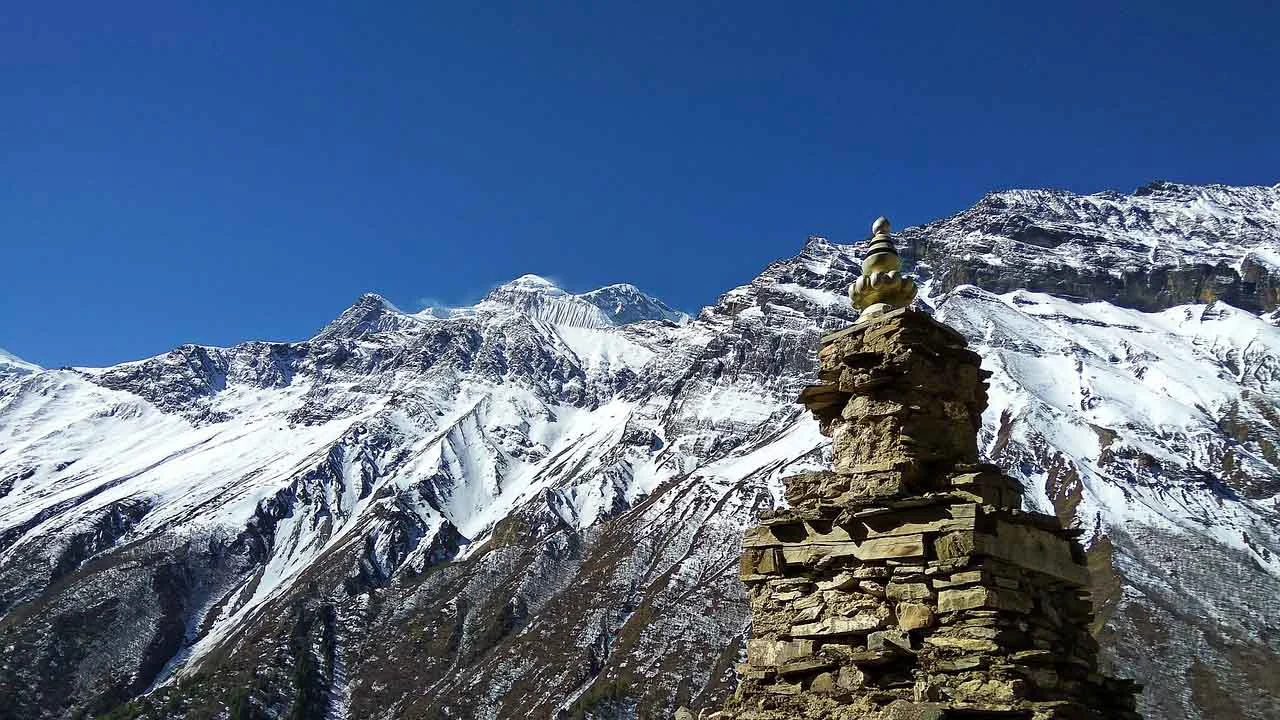
Imagine walking through peaceful Sherpa villages with colorful prayer flags moving in the wind. You pass small monasteries, stone walls carved with mantras, and friendly local people greeting you with a smile. Everest View Trekking gives you time to enjoy the culture, take photos, and sit quietly while looking at the Himalayas. The journey feels calm and scenic. You see Everest from a viewpoint, standing comfortably on a hill, with a warm cup of tea in your hand.
The Everest Base Camp trek offers a deeper mountain experience. As you walk higher, the landscape changes. Trees become fewer, and the trail turns more rocky and open. When you reach the area near Gorak Shep, you feel surrounded by ice and snow. The Khumbu Glacier stretches wide in front of you, with large ice blocks and moving crevasses. Standing at Everest Base Camp itself feels very different from watching the mountain from far away.
At base camp, you do not always see the full face of Mount Everest, but you stand at the foot of the world’s highest mountain. You are in the same place where climbers prepare for their summit attempt. The air feels thinner, and the environment feels raw and powerful. This part of the journey feels more like a full Himalayan adventure than a simple scenic walk.
Everest View Trekking focuses more on comfort and clear panoramic views. You enjoy the beauty of Everest, Lhotse, Thamserku, and Ama Dablam from safe and scenic viewpoints. The experience feels lighter and easier, yet still very rewarding. Many travelers choose Everest View Trekking because they want to see the mountains clearly without walking all the way to base camp.
The difference is also emotional. Standing at a viewpoint during Everest View Trekking feels peaceful and inspiring. Standing at Everest Base Camp feels strong and proud after many days of effort. One offers a short scenic journey with breathtaking views, while the other offers a longer and more intense mountain experience.
Cost Comparison: Budget Matters
Budget is an important part of planning your trek in Nepal. Before choosing between these two routes, it is good to understand how much you may need to spend. The cost difference mainly depends on the number of days, services, and how far you travel in the mountains.
Everest View Trekking usually costs less because it is a shorter trip. Most itineraries are around 5 to 7 days. Fewer days mean fewer nights in tea houses, fewer meals to pay for, and fewer guide and porter service days. Because of this, Everest View Trekking is often more budget friendly for travelers who want to see Mount Everest without spending too much.
The Everest Base Camp trek costs more mainly because it takes 12 to 14 days. You will stay longer in the mountains, eat more meals in tea houses, and pay guides and porters for more working days. The permits are also required for a longer route inside Sagarmatha National Park. When you add these costs together, the total budget becomes higher than Everest View Trekking.
Flights to Lukla are needed for both treks. This flight is one of the major costs in the Everest region. Whether you choose Everest View Trekking or the Everest Base Camp trek, you must include the round-trip flight between Kathmandu and Lukla in your budget. The flight price is the same for both routes, so this part does not change the comparison.
Accommodation and food costs increase as you go higher in the mountains. On the Everest Base Camp trek, you travel to higher and more remote villages like Dingboche and Gorak Shep. Transporting food and supplies to these places is difficult, so prices are higher. In Everest View Trekking, you mostly stay in lower villages like Phakding and Namche Bazaar, where prices are slightly lower and options are more comfortable.
Guide and porter services also affect the budget. Because Everest View Trekking is shorter, you pay for fewer service days. On the Everest Base Camp trek, your guide and porter work with you for nearly two weeks. This naturally increases the total cost. Some trekkers also choose to add extra acclimatization days on the base camp route, which adds more expenses.
If you are traveling with family or on a tight budget, Everest View Trekking can be a smart option. It allows you to experience the beauty of the Everest region while keeping costs more controlled. You still enjoy mountain views, Sherpa culture, and the excitement of flying to Lukla.
For travelers who have saved money for a longer adventure and want to reach Everest Base Camp, the higher cost may feel worth it. The longer journey, higher altitude, and deeper mountain experience require more days and more support, which increases the overall budget.
Who Is This Trek Best For?
Choosing between these two treks is not only about distance or cost. It is about you, your dream, your time, and your comfort level in the mountains. Both options are beautiful, but they fit different types of travelers.
Everest View Trekking is best for people who have limited time. If you only have one week for your holiday in Nepal, this trek fits well into your schedule. You can fly to Lukla, walk through Sherpa villages, and enjoy clear views of Mount Everest within a few days. Everest View Trekking allows you to experience the Everest region without staying away from home or work for two full weeks.
Everest View Trekking is also a good choice if you want an easier trekking experience. The altitude is lower, and the walking hours are shorter. You do not need to push your body to extreme limits. If this is your first time trekking in Nepal, Everest View Trekking gives you a safe and comfortable introduction to the Himalayas.
Families often prefer Everest View Trekking. If you are traveling with older parents or teenage children, this route is more suitable. The trail is well established, the villages are lively, and the views are wide and open. You still see Mount Everest, Ama Dablam, and other famous peaks without going above 4,000 meters for too long. For many families, Everest View Trekking creates special memories without too much physical pressure.
This trek is also perfect for travelers who want to see Everest clearly but do not want extreme altitude. Some people worry about altitude sickness or long walking days. Everest View Trekking gives you the chance to stand at beautiful viewpoints like Hotel Everest View and look directly at the world’s highest mountain in a relaxed way.
On the other hand, the Everest Base Camp trek is best for those who want a lifetime achievement. Reaching the base camp of Mount Everest is a strong personal goal for many adventure lovers. It is not only about seeing the mountain, but about completing a long and challenging journey.
If you love challenges and enjoy pushing yourself, the Everest Base Camp trek may be right for you. The higher altitude, longer duration, and tougher walking days require good fitness and mental strength. You need to be ready for cold mornings, simple tea house rooms, and many days of steady walking.
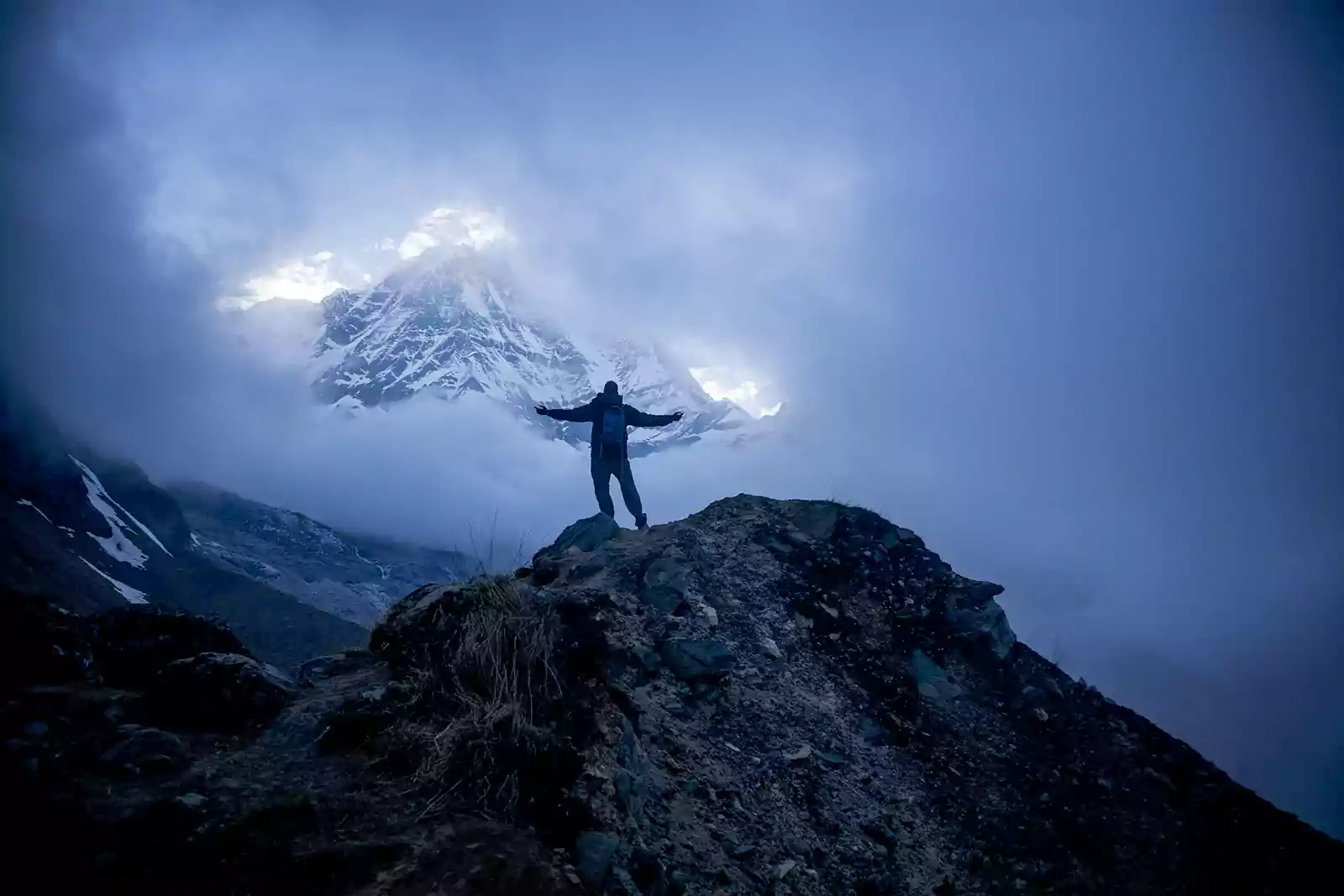
This trek is also for those who want to say they reached Everest Base Camp. Standing at 5,364 meters brings a deep sense of pride. You feel connected to the climbers who prepare for their summit climb. The journey feels bold and powerful.
Both Everest View Trekking and the Everest Base Camp trek offer unforgettable experiences. The best choice depends on what kind of adventure speaks to your heart and matches your comfort level in the mountains.