
How to Reach Gosaikunda Lake – Easy Guide for Beginners
Where is Gosaikunda Lake Located?
Gosaikunda Lake is one of the most beautiful and holy lakes in Nepal. It is located inside Langtang National Park, which is a protected area in the northern part of the country. This national park is known for its rich nature, mountain views, forests, and wildlife. Many trekkers visit this region every year to enjoy peaceful trails and fresh mountain air.
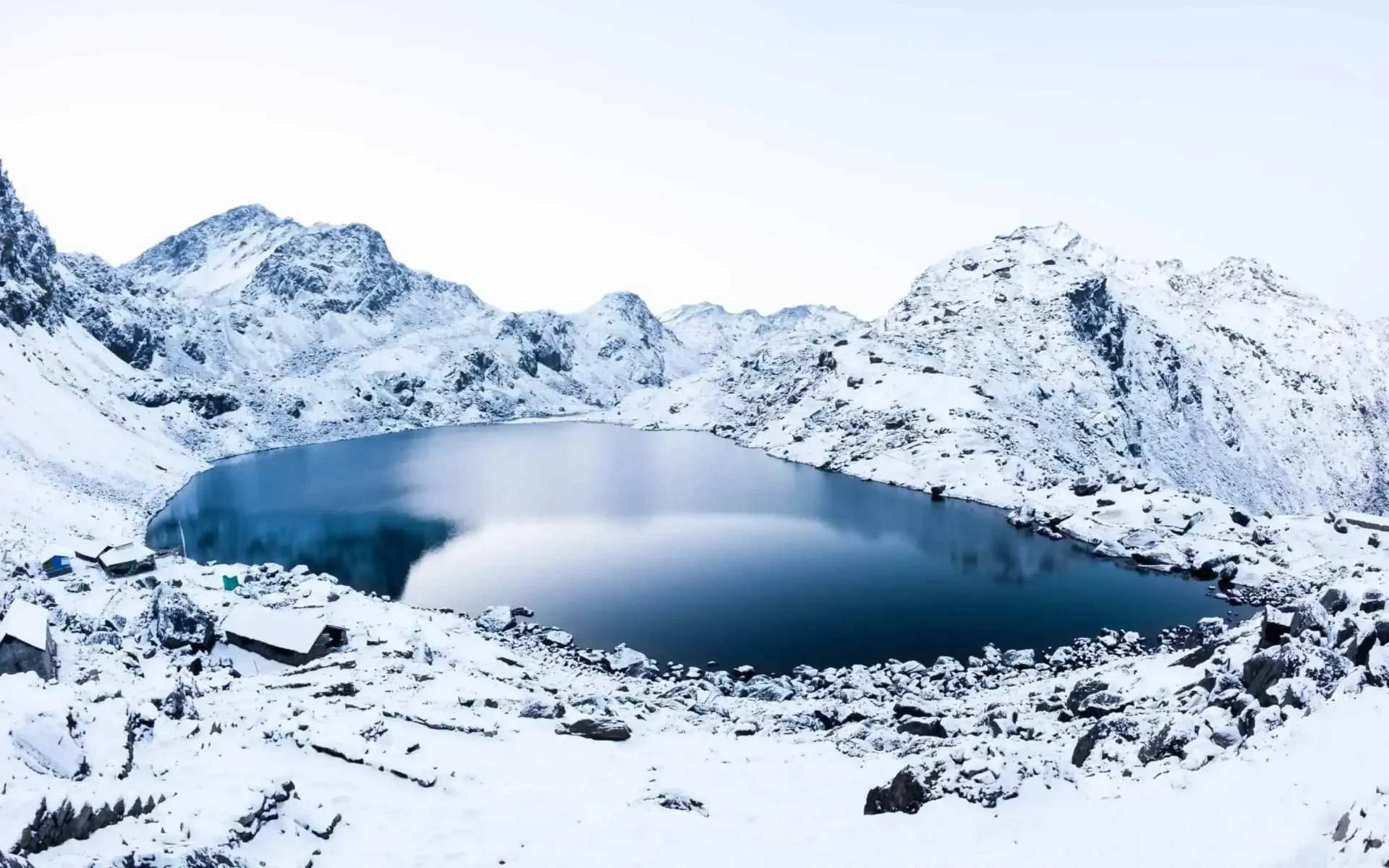
Gosaikunda Lake lies at an altitude of 4,380 meters above sea level. Because of this high elevation, the weather is cool and fresh. During spring and autumn, the sky is mostly clear, and you can see beautiful mountain views. In winter, the lake often freezes due to heavy snowfall. The high altitude also means that trekkers need to walk slowly and give their body time to adjust.
The lake is about 140 kilometers north of Kathmandu. The journey usually starts with a drive from Kathmandu to Dhunche or Syabrubesi, which takes around 6 to 8 hours depending on the road condition. From there, trekkers begin walking through small villages, forests, and hills to reach Gosaikunda Lake. The trekking route is scenic and peaceful, passing through rhododendron forests and traditional Tamang villages.
Gosaikunda Lake is not only popular for trekking, but it is also very sacred for both Hindus and Buddhists. According to Hindu belief, Lord Shiva created the lake by striking a rock with his trident to get water. Many pilgrims visit Gosaikunda Lake during the Janai Purnima festival in August. During this time, thousands of devotees walk for days to take a holy bath in the lake. They believe the water is pure and can wash away sins.
For Buddhists, the lake is also a holy place connected with spiritual energy and meditation. The peaceful surroundings make it a perfect place for prayer and quiet reflection. Because of this strong religious importance, visitors are expected to respect local culture and traditions while visiting Gosaikunda Lake.
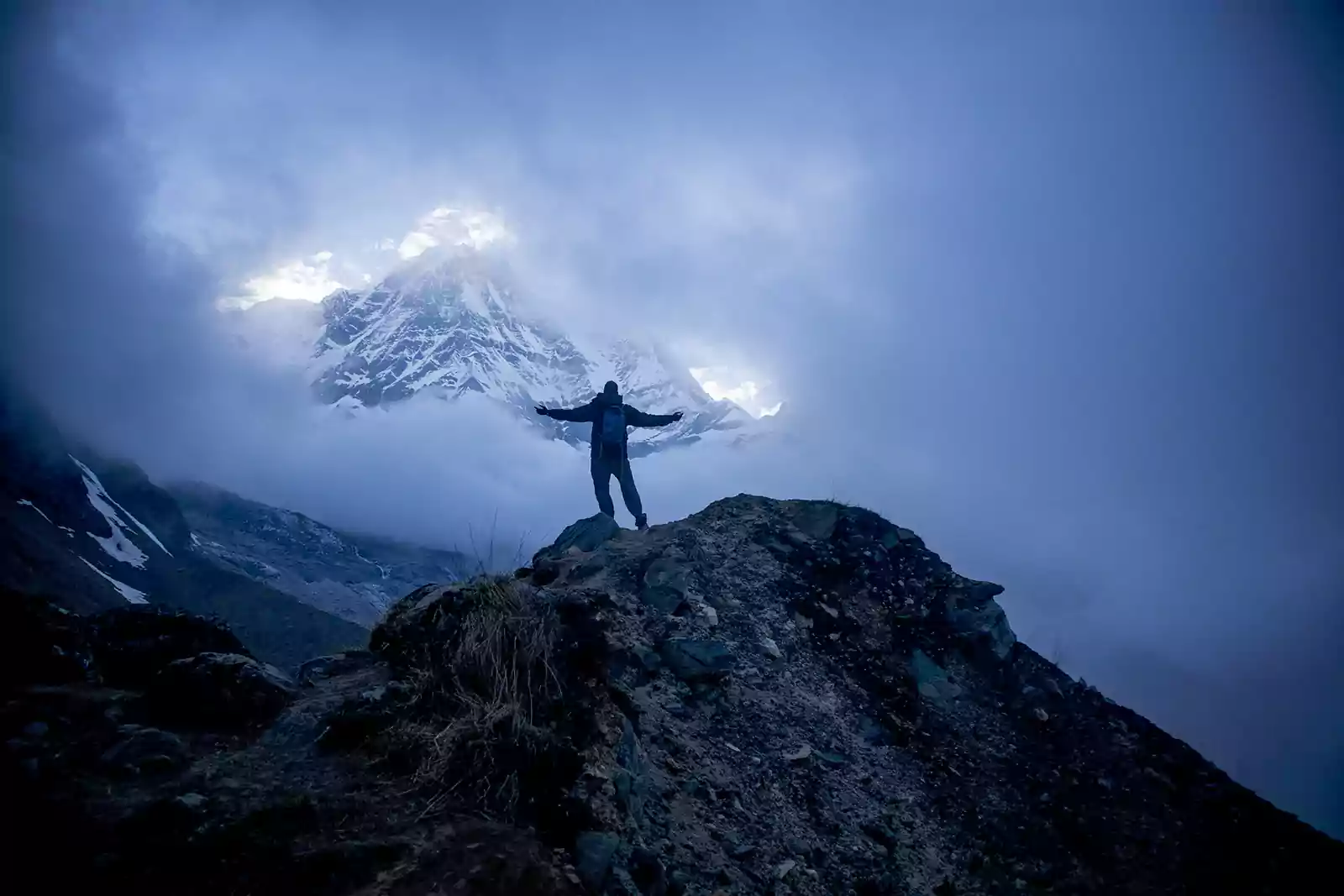
The mountain surroundings of the lake are truly beautiful. You can see snow-covered peaks, rocky hills, and wide open skies. Peaks like Langtang Lirung and other Himalayan ranges can be seen from higher viewpoints near Gosaikunda Lake. The area is quiet, and the natural beauty makes the journey special. Yaks grazing on the hills and small stone houses along the trail add to the charm of this region.
Being inside Langtang National Park, Gosaikunda Lake is also home to wildlife like red pandas, Himalayan monals, and musk deer. The forests below the lake are green and full of life, while the upper area becomes more rocky and open as you gain altitude. This change in landscape makes the trek interesti
Best Route to Reach Gosaikunda Lake from Kathmandu
The journey to Gosaikunda Lake usually starts from Kathmandu. From Kathmandu, you need to drive to Dhunche, which is the main starting point of the trek. Dhunche is about 120 kilometers away and the drive takes around 6 to 8 hours, depending on traffic and road conditions.
You can travel by local bus or private jeep. The local bus is cheaper and leaves early in the morning from Machhapokhari. It is a budget-friendly option, but it can be crowded and slow. A private jeep is more comfortable and faster. It is a good choice if you are traveling in a group or want an easier ride. The road from Kathmandu to Dhunche is partly blacktopped and partly rough. Some sections are bumpy, especially during the monsoon season. During heavy rain, the road can become muddy and slippery, so travel time may be longer.
Once you reach Dhunche, the trekking journey to Gosaikunda Lake begins. The most common route follows this trail: Dhunche – Chandanbari – Laurebina – Gosaikunda Lake. This route is clear, scenic, and suitable for both beginners and experienced trekkers.
On the first day of trekking, you walk from Dhunche to Chandanbari, also known as Sing Gompa. The trail passes through green forests filled with rhododendron and pine trees. The walk takes around 5 to 6 hours. In Chandanbari, you can visit a small monastery and a local cheese factory.
The second day, you trek from Chandanbari to Laurebina. This part of the trail goes higher, and you start to see wide mountain views. The trees slowly become smaller as you gain altitude. It takes about 4 to 5 hours to reach Laurebina. From here, you can enjoy beautiful views of the Langtang range.
On the third day, you walk from Laurebina to Gosaikunda Lake. This is a shorter walk of about 3 to 4 hours, but the trail is steeper and at higher altitude. As you climb, you will see small lakes before reaching the main Gosaikunda Lake. The view of the blue lake surrounded by mountains is very peaceful.
In total, it usually takes 3 days to reach Gosaikunda Lake from Dhunche. Many trekkers spend one night near the lake and return by the same route, making the whole trip about 5 to 6 days from Kathmandu.
There is also an alternative route to Gosaikunda Lake via Sundarijal. Sundarijal is about one hour drive from Kathmandu. This route goes through Chisapani and Kutumsang before joining the main trail. It takes more days, usually 6 to 7 trekking days one way, and is part of the longer Helambu route. This option is good for trekkers who want a longer adventure and more village experiences.
Both routes offer beautiful landscapes, mountain views, and local culture on the way to Gosaikunda Lake.
Trek Difficulty, Altitude & Best Time to Visit
The trek to Gosaikunda Lake is considered moderate in difficulty. It is not the hardest trek in Nepal, but it is also not very easy. If you are a beginner with good physical fitness and strong determination, you can complete this trek. Many first-time trekkers visit Gosaikunda Lake every year with proper preparation and a slow walking pace.
One of the main challenges of the Gosaikunda Lake trek is the altitude. The lake is located at 4,380 meters above sea level. As you go higher, the air becomes thinner, and it may feel harder to breathe. Your body needs time to adjust to the height. Because of this, it is important to walk slowly and take enough rest during the journey to Gosaikunda Lake.
On average, trekkers walk about 4 to 6 hours per day. The first day from Dhunche to Chandanbari takes around 5 to 6 hours. The second day to Laurebina takes about 4 to 5 hours. The final climb to Gosaikunda Lake is shorter but steeper, usually 3 to 4 hours. Even though the walking hours are not very long, the uphill trails and high altitude can make the trek feel more tiring.
There is also a risk of altitude sickness during the Gosaikunda Lake trek. Some common symptoms include headache, dizziness, nausea, and loss of appetite. To prevent altitude sickness, you should walk slowly, drink plenty of water, and avoid alcohol. It is helpful to sleep at lower altitude before going higher. If symptoms become serious, the best solution is to descend to a lower place immediately. Listening to your body is very important while trekking to Gosaikunda Lake.
Choosing the right season makes the trek safer and more enjoyable. The best time to visit Gosaikunda Lake is during spring, from March to May, and autumn, from September to November. In spring, the weather is mild, and the hills are covered with blooming rhododendron flowers. The sky is often clear, and mountain views are beautiful. In autumn, the weather is stable, with clear blue skies and comfortable temperatures. This season is very popular for trekking to Gosaikunda Lake.
During the monsoon season, from June to August, heavy rain can make the trail muddy and slippery. There may also be leeches in the lower forest areas. Clouds often block mountain views, and road conditions can be poor. In winter, from December to February, it becomes very cold at higher altitude. Snowfall is common near Gosaikunda Lake, and the lake may freeze. Some teahouses may close due to harsh weather.
Understanding the trek difficulty, altitude, and weather conditions helps you prepare better for your journey to Gosaikunda Lake and makes your trekking experience more comfortable and safe.
Cost, Accommodation & Packing Tips
Planning your budget is an important part of preparing for the trek to Gosaikunda Lake. The total cost depends on how you travel, where you stay, and whether you hire a guide or porter. With simple planning, the Gosaikunda Lake trek can be affordable and comfortable.
Transportation is the first cost to consider. From Kathmandu, you can take a local bus to Dhunche. A bus ticket usually costs much less than a private jeep. It is a good option for budget travelers, but the ride can be crowded and slower. A private jeep costs more, especially if you are traveling alone. If you share a jeep with other trekkers, the cost becomes more reasonable. Jeeps are faster and more comfortable, especially during bad road conditions.
Accommodation during the Gosaikunda Lake trek is simple and basic. You will stay in local teahouses along the trail. A basic room with two beds usually costs around NPR 500 to NPR 800 per night. Prices may be slightly higher at higher altitudes near Gosaikunda Lake because supplies must be carried by porters or mules. Rooms are simple, with a bed, blanket, and sometimes a shared bathroom.
Food is another daily expense. On average, you may spend around NPR 2,000 to NPR 3,000 per day on meals. Common food items include dal bhat, noodles, fried rice, soup, and tea. Prices increase as you go higher toward Gosaikunda Lake because transportation of goods becomes more difficult. It is good to carry some extra cash since there are no ATMs on the trail.
Hiring a guide or porter is optional but helpful. A licensed guide usually costs around USD 25 to 35 per day. A porter costs around USD 20 to 25 per day and can carry up to 20 kilograms. For beginners, hiring a guide for the Gosaikunda Lake trek can make the journey easier and safer. A guide helps with direction, accommodation, and local information.
Packing properly helps you avoid extra expenses and discomfort. Warm clothes are very important because the temperature drops at higher altitude near Gosaikunda Lake. Carry a warm jacket, thermal innerwear, gloves, and a hat. Good trekking shoes with strong grip are necessary for rocky and uneven trails. A reusable water bottle is useful so you can refill and avoid buying plastic bottles. Basic medicines, including pain relief, altitude sickness tablets, and personal first aid items, should also be in your bag.
To save money during the Gosaikunda Lake trek, travel in a small group and share transportation costs. Carry snacks like energy bars from Kathmandu, where prices are cheaper. Walk at a steady pace to avoid extra rest days that may increase your food and lodging costs. Careful planning helps you manage your budget while enjoying the natural beauty of Gosaikunda Lake.
Conclusion
Visiting Gosaikunda Lake is more than just completing a trek. It is a journey where nature, mountains, and faith come together in a very special way. When you stand near the clear blue water of Gosaikunda Lake and look around at the snow-covered peaks, you feel calm and peaceful. The air is fresh, the sky feels closer, and the busy world seems far away.
The trail to Gosaikunda Lake takes you through green forests, small villages, and open hills. You walk past friendly local people who live simple mountain lives. You hear birds in the forest and the sound of wind in the trees. As you climb higher, the views become wider and more beautiful. Every step brings you closer to something truly special.
Gosaikunda Lake is not only beautiful, but it is also sacred. Many pilgrims walk for days to reach this holy lake. They believe the water is pure and blessed. When you see people praying quietly by the lake, you can feel the spiritual energy in the air. Even if you come only for trekking, the peaceful feeling around Gosaikunda Lake touches your heart.
This trek is also a great adventure. The trails go up and down, and you challenge yourself with every step. You learn to walk slowly, breathe deeply, and respect the mountains. When you finally reach Gosaikunda Lake after days of walking, you feel proud and happy. The hard work feels worth it. The mountain views, the shining lake, and the quiet surroundings make the journey unforgettable.
The beauty of Himalayas makes this place feel like heaven. Tall peaks stand all around, watching over the lake. The sky looks wide and endless. In spring and autumn, the weather is clear, and the mountains shine brightly. In winter, the area turns white with snow, creating a magical scene. Every season gives Gosaikunda Lake a different charm.
If you are looking for peace, adventure, and natural beauty in one journey, Gosaikunda Lake is waiting for you. It is a place where you can disconnect from daily stress and connect with nature. It is a place where simple teahouses, warm meals, and friendly smiles make you feel welcome. It is a place where every sunrise and sunset feels special.
Come and visit Gosaikunda Lake and experience this heavenly place for yourself. The calm water, the quiet hills, and the strong mountains are ready to welcome you. The Amble Himalaya Team is ready to make your adventure more adventurous and truly memorable.