

Lake Mansarovar – Everything Pilgrims Should Know
What Is Lake Mansarovar?
Lake Mansarovar is one of the most sacred lakes in the world. It is located in the Tibet Autonomous Region of China, close to the holy Mount Kailash. For thousands of years, people from different religions have traveled to this beautiful lake for prayer, peace, and spiritual blessings. Many pilgrims believe that visiting this special place is a once-in-a-lifetime journey that brings them closer to their faith.
Lake Mansarovar lies at an altitude of about 4,590 meters (15,060 feet) above sea level. Because of its high elevation, the air is much thinner than at lower places. Visitors may feel tired more quickly, especially if they are not used to high altitudes. This is why most pilgrimage tours include enough time to help travelers adjust before spending more time around the lake. Taking things slowly, drinking enough water, and following the guide’s advice are important parts of a safe visit.
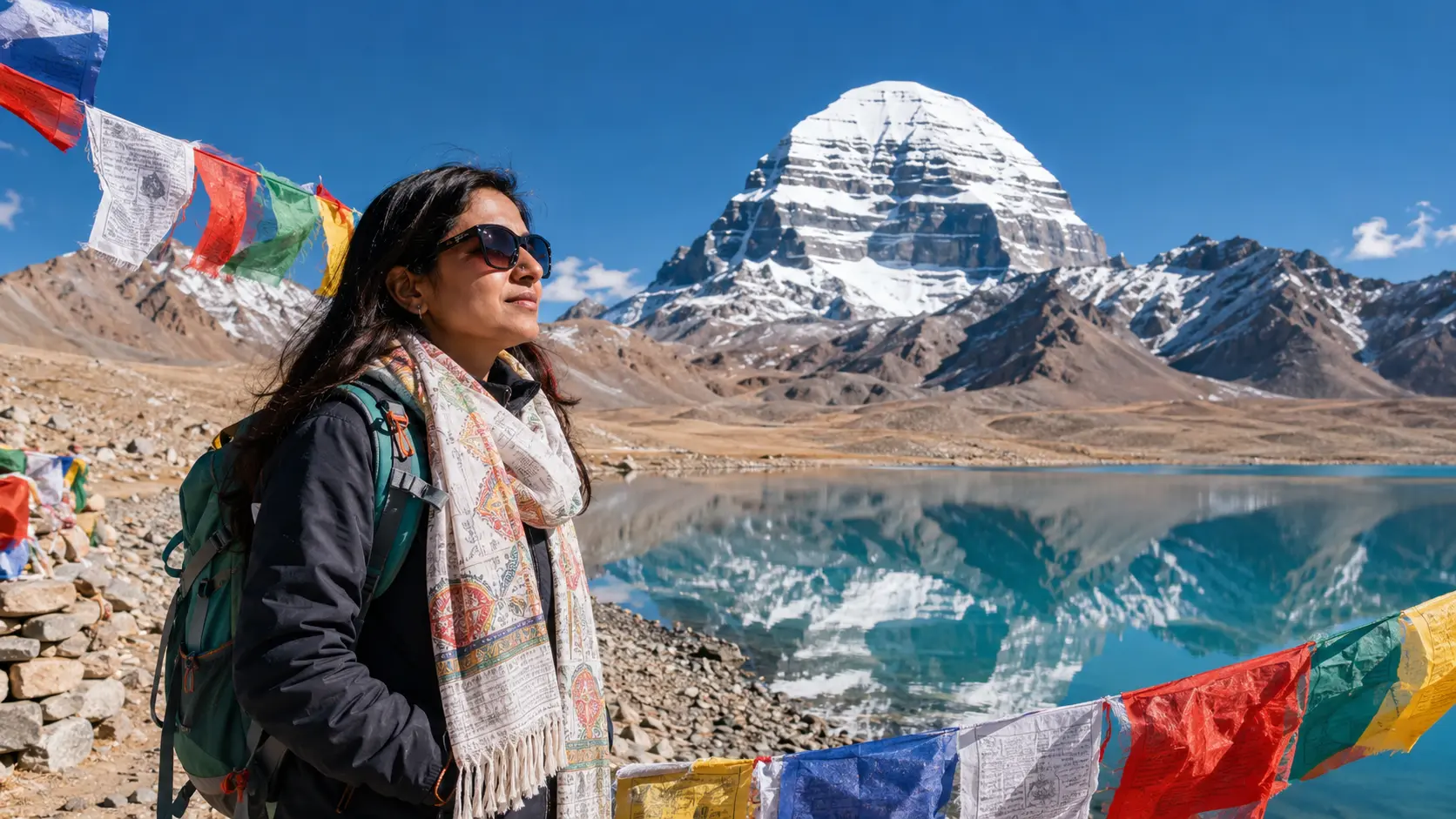
One of the most amazing things about Lake Mansarovar is its location. The lake sits near Mount Kailash, one of the world’s most respected sacred mountains. The distance between the lake and the mountain is only a few kilometers, allowing pilgrims to enjoy beautiful views of both places during their journey. On clear days, the calm water reflects the snow-covered peaks, creating a peaceful and unforgettable scene. Many visitors spend quiet moments by the shore, enjoying the silence and fresh mountain air.
Lake Mansarovar is also known as one of the highest freshwater lakes in the world. Unlike many lakes found in high mountain regions, its water is fresh and clear. The lake covers a large area and has a beautiful blue color that changes throughout the day depending on the sunlight and weather. During the early morning, the water often looks calm and bright, while in the evening it may reflect golden and pink colors from the setting sun. These changing colors make the lake even more special for visitors and photographers.
The area around the lake is peaceful and mostly untouched by modern development. There are no large cities nearby, which helps preserve its natural beauty. Instead of busy streets and tall buildings, visitors see wide open land, distant mountains, clear skies, and fresh air. The quiet surroundings create a relaxing atmosphere where people can spend time thinking, praying, or simply enjoying nature. Many pilgrims say that this peaceful environment is one of the most memorable parts of their journey.
The weather around the lake can change quickly because of the high altitude. Even during the warmer months, mornings and evenings are usually cold. Strong winds are also common, especially near the shoreline. During the day, the sun can feel very strong because the air is thinner. Visitors should wear warm layers, sunglasses, sunscreen, and a hat to stay comfortable throughout the day. Being prepared for changing weather helps make the visit safer and more enjoyable.
The landscape surrounding the lake is unlike anywhere else. Snow-covered mountains, open grasslands, rocky hills, and wide blue skies create breathtaking views in every direction. Small streams and mountain scenery add to the beauty of the area. Wildlife such as birds and wild animals can sometimes be seen around the lake, depending on the season. These natural features make the journey enjoyable not only for pilgrims but also for travelers who love mountain landscapes.
Many people visit Lake Mansarovar because they want to experience both nature and spirituality in one place. Some come to pray, while others simply wish to see one of Asia’s most beautiful high-altitude lakes. Regardless of their reason for visiting, most travelers leave with lasting memories of its calm atmosphere and stunning scenery. The combination of peaceful surroundings, fresh mountain air, and magnificent views makes every visit feel unique.
Traveling to Lake Mansarovar requires careful planning because of its remote location. Most pilgrims reach the lake as part of a guided Mount Kailash Mansarovar Yatra. The journey usually includes road travel across the Tibetan Plateau and several days of gradual altitude gain. This allows travelers to adjust to the high elevation while enjoying beautiful Himalayan landscapes along the way. Visiting with an experienced tour operator also helps ensure that transportation, permits, accommodation, and safety arrangements are properly managed throughout the pilgrimage.
Why Is Lake Mansarovar Sacred?
Lake Mansarovar is one of the most respected pilgrimage sites in the world. For thousands of years, people from different religions have traveled to this peaceful lake to pray, meditate, and seek spiritual blessings. Its close location to Mount Kailash makes it even more important, as many pilgrims visit both places during the same journey. The calm water, beautiful mountain views, and peaceful surroundings create a special atmosphere that many people describe as deeply spiritual.
In Hinduism, Lake Mansarovar is believed to have been created by Lord Brahma, the creator of the universe. According to Hindu beliefs, the lake was first formed in his mind before appearing on Earth. Because of this story, the lake is considered pure and holy. Many Hindu pilgrims travel long distances to visit the lake, offer prayers, and spend quiet time by its shores. They believe that visiting this sacred place helps them grow spiritually and brings them closer to God.
Many Hindu pilgrims also believe that bathing in Lake Mansarovar can wash away past sins and help purify the mind and soul. While not everyone chooses to enter the cold water because of the high altitude and weather conditions, many people still collect a small amount of the holy water to take home. Some use it during religious ceremonies, while others keep it as a blessing for their families. Even touching the water or praying beside the lake is considered meaningful by many visitors.
Lake Mansarovar is also an important place in Buddhism. Buddhists believe that the lake is connected with peace, wisdom, and spiritual awakening. Many followers see the area around Mount Kailash and the lake as a place where great Buddhist masters meditated and practiced their teachings. During the pilgrimage, many Buddhists spend time chanting prayers, turning prayer wheels, and quietly reflecting on their spiritual journey. The peaceful environment makes it easier for many people to practice mindfulness and meditation.
For followers of Jainism, the area around Mount Kailash and Lake Mansarovar also holds great religious value. Jain tradition teaches that the first Tirthankara, Rishabhadeva, reached spiritual liberation near Mount Kailash. Because of this belief, many Jain pilgrims visit the region to honor his life and teachings. They come with deep respect, seeking spiritual growth and a stronger connection with their faith during the journey.
The Bon religion, which is one of Tibet’s oldest spiritual traditions, also considers Lake Mansarovar to be a sacred place. Bon followers have respected the lake and Mount Kailash for many centuries, even before Buddhism became widely practiced in Tibet. They believe that the area is filled with spiritual energy and that visiting it brings harmony between people and nature. Their traditions include prayers, rituals, and pilgrimages that have been passed down through many generations.
One of the most special things about Lake Mansarovar is that it is respected by followers of different religions. Although each faith has its own stories and beliefs, they all see the lake as a place of peace, purity, and spiritual importance. This shared respect makes the lake unique. Pilgrims from different countries, cultures, and backgrounds often visit at the same time, creating an atmosphere of kindness and mutual understanding.
Many people who visit Lake Mansarovar believe that spending time beside the lake brings inner peace. Some pilgrims quietly sit by the water to pray, while others meditate as they look at the mountains and clear blue sky. The silence of the area, along with the natural beauty, allows many visitors to step away from the stress of daily life. Even those who are not following a particular religion often describe feeling calm and refreshed while spending time near the lake.
The journey itself also has spiritual meaning for many pilgrims. Traveling through the high mountains, facing physical challenges, and reaching the sacred lake can become a personal experience of faith and determination. Every prayer, every step, and every peaceful moment beside Lake Mansarovar becomes part of a journey that many people remember for the rest of their lives.
During the Mount Kailash Mansarovar Yatra, guides often encourage visitors to respect local customs, religious traditions, and the natural environment. Pilgrims are asked to keep the area clean, avoid disturbing others during prayer, and treat the sacred site with care. Showing respect for both the people and the place helps preserve the spiritual atmosphere that has made Lake Mansarovar an important pilgrimage destination for centuries.
What Can Pilgrims Do at Lake Mansarovar?
A visit to Lake Mansarovar is much more than reaching a beautiful destination. For many pilgrims, it is a time for prayer, reflection, and spiritual connection. The peaceful surroundings, fresh mountain air, and stunning views create a calm environment where visitors can slow down and enjoy every moment. While every person’s journey is different, there are several meaningful activities that pilgrims commonly take part in during their visit.
One of the most important activities at Lake Mansarovar is taking a holy bath. Many Hindu pilgrims believe that bathing in the sacred water helps cleanse the mind and soul while bringing spiritual blessings. Because the lake is located at an altitude of about 4,590 meters, the water is very cold throughout the year. For this reason, not everyone enters the lake. The weather, water temperature, health condition of the pilgrim, and local regulations all play an important role in deciding whether a holy bath is possible. Tour leaders also advise travelers to think about their safety before entering the water.
Some pilgrims choose not to take a full bath but instead gently touch the water with their hands or sprinkle a small amount over their head. This allows them to take part in the spiritual tradition without facing the risks of cold water at high altitude. Many visitors feel that even this simple act carries deep religious meaning and helps them feel connected to the sacred place.
Collecting holy water is another popular tradition. Pilgrims often fill small bottles with water from Lake Mansarovar to take home. The water is considered sacred by many people and is sometimes used during religious ceremonies or family prayers. Some families keep the water in their home as a blessing, while others share it with relatives who could not make the pilgrimage. Travelers should always follow local guidelines when collecting water and avoid causing any harm to the natural environment.
Offering prayers beside the lake is one of the most peaceful experiences during the journey. Many pilgrims sit quietly along the shore, fold their hands, and offer personal prayers. Some chant religious mantras, while others read from holy books or simply spend time in silent reflection. The calm atmosphere around Lake Mansarovar makes it easier for many people to focus on their faith without the distractions of everyday life.
Meditation is also a common activity for visitors from different religious backgrounds. The quiet surroundings, clean mountain air, and gentle sound of the water create an ideal place for peaceful meditation. Some pilgrims meditate for only a few minutes, while others spend a longer time sitting quietly by the lake. Even travelers who are not following a specific religion often enjoy taking a peaceful break to relax their minds and appreciate the beauty of nature.
Watching the sunrise is another unforgettable experience at Lake Mansarovar. Early in the morning, the first rays of sunlight slowly light up the snow-covered mountains and the clear blue water. The reflections on the lake create beautiful colors that change as the sun rises higher in the sky. Many pilgrims wake up before dawn to witness this peaceful moment. It is often one of the highlights of the entire Mount Kailash Mansarovar Yatra.
Sunset at the lake is equally beautiful. As the sun goes down, the sky changes into shades of orange, pink, and purple. The still water reflects these colors, creating a breathtaking view that many visitors quietly enjoy. Spending time at the lakeshore during sunset gives pilgrims another opportunity to reflect on their journey and appreciate the peaceful environment around them.
Photography is a favorite activity for many travelers visiting Lake Mansarovar. The lake offers incredible views of crystal-clear water, distant mountains, open skies, and nearby Mount Kailash on clear days. Pilgrims often take photos to remember their journey and share their experiences with family and friends. While photography is generally allowed in many areas, visitors should always respect local customs and avoid taking pictures in places where photography may be restricted.
Many pilgrims also enjoy simply walking along the lakeshore and spending quiet time surrounded by nature. There is no need to rush from one activity to another. Sitting by the water, listening to the wind, watching birds, and enjoying the peaceful landscape are meaningful experiences on their own. These quiet moments often become some of the most memorable parts of the pilgrimage.
The activities at Lake Mansarovar may change depending on the weather, road conditions, and local regulations. Strong winds, heavy rain, snowfall, or safety concerns may affect what visitors are able to do during their stay. Pilgrims should always follow the advice of their guide and local authorities to ensure a safe and respectful visit. Being flexible with the itinerary allows travelers to enjoy the spiritual and natural beauty of the lake while respecting the unique environment of this sacred destination.
What Is the Weather and Altitude Like?
The weather and altitude are two of the most important things every pilgrim should understand before visiting Lake Mansarovar. The lake is located at an altitude of about 4,590 meters (15,060 feet) above sea level. At this height, the air contains less oxygen than at lower elevations. Because of this, many visitors may feel tired more quickly, even while doing simple activities such as walking or climbing a few steps. Preparing for the high altitude helps make the journey safer and more comfortable.
Many pilgrims are surprised by how different the weather feels at this elevation. Even during the main pilgrimage season, mornings and evenings can be very cold. Temperatures often drop close to freezing at night, while daytime temperatures may feel pleasant if the sun is shining. Since the weather changes quickly in the mountains, travelers should always be ready for both warm sunshine and cold winds on the same day.
One of the unique features of Lake Mansarovar is the strong sunlight. Because the lake is located at a high altitude, the atmosphere is thinner and provides less protection from the sun’s rays. Even when the weather feels cool, the sunlight can be very intense. Pilgrims should wear sunglasses to protect their eyes and apply sunscreen to avoid sunburn. A wide-brimmed hat or cap also helps protect the face from direct sunlight during long hours outdoors.
Strong winds are another common part of the weather around the lake. Winds can become stronger during the afternoon and evening, making the air feel much colder than the actual temperature. Wearing layered clothing is the best way to stay comfortable. Travelers can easily add or remove layers as the weather changes throughout the day. A warm jacket, gloves, and a windproof outer layer are useful items to carry during the pilgrimage.
The weather around Lake Mansarovar can also change without much warning. A bright sunny morning may suddenly become cloudy, followed by rain or even light snowfall depending on the season. This is normal in high mountain regions. Pilgrims should always carry waterproof clothing and be prepared for changing conditions. Following the instructions of the guide is important, especially if the weather becomes difficult during outdoor activities.
Because of the high altitude, some visitors may experience altitude sickness. This happens when the body does not get enough oxygen while adjusting to higher elevations. Common symptoms include headache, dizziness, tiredness, loss of appetite, shortness of breath, and difficulty sleeping. These symptoms can affect anyone, regardless of age or fitness level. Some people adjust quickly, while others need more time to adapt.
One of the best ways to reduce the risk of altitude sickness is to spend time acclimatizing before reaching Lake Mansarovar. Acclimatization means giving your body enough time to slowly adjust to the higher altitude. Most Mount Kailash Mansarovar Yatra itineraries include gradual altitude gain to help pilgrims adapt safely. Rushing to higher elevations too quickly increases the chance of feeling unwell.
Staying well hydrated is another important part of traveling at high altitude. Pilgrims should drink plenty of water throughout the day, even if they do not feel thirsty. The dry mountain air can cause the body to lose water more quickly. Warm soups, tea, and other fluids can also help maintain hydration. At the same time, it is best to avoid alcohol and smoking during the journey, as both can make it harder for the body to adjust to the altitude.
Walking slowly is equally important while visiting Lake Mansarovar. Many first-time visitors try to walk at their normal pace, but the thinner air can make this difficult. Taking slow, steady steps helps save energy and allows the body to use oxygen more efficiently. Resting when needed and avoiding unnecessary physical effort can make the experience much more enjoyable.
Pilgrims should also pay attention to how they feel throughout the journey. If symptoms of altitude sickness become severe or continue to worsen, it is important to inform the guide immediately. Experienced guides know how to respond to altitude-related problems and will take the necessary steps to keep travelers safe. Listening to your body, respecting the mountain environment, and allowing enough time to adjust will help you enjoy the beauty and peaceful surroundings of Lake Mansarovar with greater comfort and confidence.
What Should You Pack for a Visit to Lake Mansarovar?
Packing properly is an important part of preparing for a successful pilgrimage to Lake Mansarovar. The lake is located at a high altitude in a remote mountain region, where weather conditions can change quickly. Having the right clothing and equipment helps pilgrims stay comfortable, safe, and ready for different situations during the journey. Since shops and supplies are limited along the route, it is best to bring everything you may need before starting the trip.
One of the most important things to pack for Lake Mansarovar is warm layered clothing. Temperatures can vary throughout the day, especially at high elevations. Mornings and evenings are often cold, while afternoons may feel warmer when the sun is shining. Wearing layers allows pilgrims to add or remove clothing as needed. A combination of thermal innerwear, a fleece jacket, and a warm outer layer usually works well for most travelers.
A waterproof and windproof jacket is another essential item. Weather conditions around Lake Mansarovar can change without warning. Rain, snow, and strong winds are possible even during the main pilgrimage season. A good waterproof jacket helps protect against moisture and cold wind, keeping the body warm and dry while spending time outdoors.
Sunglasses are very important at high altitude. The sunlight is much stronger than many people expect because the air is thinner. The reflection of sunlight from the lake and surrounding landscape can also be bright. Quality sunglasses help protect the eyes from strong ultraviolet rays and reduce discomfort during long hours outside.
Sunscreen should always be included in your packing list. Even when temperatures are cool, the sun at high altitude can cause sunburn quickly. Applying sunscreen to the face, neck, and hands helps protect the skin from harmful rays. Pilgrims should choose sunscreen with a high SPF and reapply it during the day if they spend a lot of time outdoors.
A hat or cap is another useful item for visiting Lake Mansarovar. A wide-brimmed hat provides shade from direct sunlight and helps protect the face and neck. During colder conditions, a warm woolen hat can help keep body heat from escaping and make outdoor activities more comfortable.
Gloves are highly recommended because temperatures can become very cold, especially during early mornings and evenings. Warm gloves help protect the hands from cold air and strong winds. They are particularly useful when standing by the lakeshore or spending time outside for prayer, photography, or sightseeing.
Comfortable walking shoes are essential throughout the journey. Pilgrims may spend many hours walking on uneven ground, gravel paths, and rough terrain. Good walking shoes provide support, reduce the risk of blisters, and help maintain balance. Shoes should be well broken in before the trip rather than brand new, as this helps avoid foot discomfort during long travel days.
A reusable water bottle is one of the most important items for high-altitude travel. Staying hydrated helps the body adjust to altitude and may reduce the risk of altitude sickness. Many tour operators encourage pilgrims to carry their own water bottle so they can refill it during the journey. This also helps reduce plastic waste in the fragile mountain environment around Lake Mansarovar.
Personal medicines should always be packed carefully. Pilgrims who take regular prescription medication should bring enough for the entire trip, along with a few extra days’ supply if possible. Basic medicines for headaches, stomach problems, colds, and altitude-related discomfort can also be helpful. It is wise to discuss any medical concerns with a healthcare professional before traveling.
Many visitors like to bring a camera to capture the beauty of Lake Mansarovar. The area offers stunning views of clear blue water, mountain landscapes, colorful skies, and sacred sites. A camera allows pilgrims to preserve special memories from their journey. Since charging opportunities may be limited in some areas, carrying a power bank is also highly recommended. A power bank helps keep phones, cameras, and other electronic devices charged during long travel days.
Important travel documents should be kept safe and easily accessible throughout the pilgrimage. These may include a passport, visa, travel permits, travel insurance documents, identification cards, and copies of important paperwork. Keeping digital and printed copies can be helpful in case of emergencies. Since Lake Mansarovar is located in a restricted region that requires special permits, travelers should always follow the instructions provided by their tour operator regarding required documentation.
Helpful Travel Tips for First-Time Pilgrims
Visiting Lake Mansarovar for the first time is a special experience, but good preparation can make the journey safer, smoother, and more enjoyable. The pilgrimage takes you through remote mountain areas with high altitude and changing weather. Knowing what to expect before you leave home will help you feel more confident during the trip. A little planning can also help you focus on the spiritual and natural beauty of the journey instead of worrying about unexpected problems.
One of the first things to consider is choosing the right season. The best time to visit Lake Mansarovar is usually from May to September when the weather is more suitable for travel. During these months, roads are generally more accessible, and temperatures are less severe than in winter. However, mountain weather can still change quickly, so pilgrims should always be prepared for cold mornings, windy afternoons, or occasional rain. Before your trip, check the latest travel updates and follow the advice of your tour operator.
Preparing your body before the journey is equally important. Since the pilgrimage takes place at a high altitude, good physical fitness can make walking and traveling much easier. You do not need to be an athlete, but regular walking, light hiking, climbing stairs, or simple daily exercise for several weeks before the trip can improve your stamina. Healthy eating, drinking enough water, and getting enough rest before departure also help your body prepare for the demands of high-altitude travel.
Always respect local customs and religious traditions during your visit. Lake Mansarovar is one of the most sacred pilgrimage sites in Asia, and many people travel there for deep spiritual reasons. Dress modestly, speak politely, and behave respectfully around other pilgrims. If you see people praying or performing religious rituals, give them enough space and avoid disturbing them. Showing respect for local culture helps create a peaceful experience for everyone.
Keeping the environment clean is another important responsibility. The natural beauty of Lake Mansarovar has been preserved for many years, and every visitor should help protect it. Never throw plastic bottles, food wrappers, or other waste on the ground. Carry a small bag for your rubbish until you find a proper disposal place. Respecting nature not only protects the environment but also honors the sacred value of the pilgrimage site.
Following your guide’s instructions is one of the best ways to stay safe during the journey. Experienced guides understand the local weather, road conditions, altitude, and travel regulations. They know when it is safe to continue, when to rest, and how to respond if someone feels unwell. Listening carefully to their advice helps reduce risks and ensures that the group travels together safely.
It is also a good idea to carry enough cash for personal expenses. Although many parts of the journey are organized in advance, small shops or local facilities may not accept international cards or digital payments. Carrying some local currency or the currency recommended by your tour operator can be useful for buying snacks, drinks, or other small necessities during the trip. Keep your money in a safe place and avoid carrying large amounts unless necessary.
Pilgrims should also stay flexible with their travel plans. Mountain weather, road conditions, or local regulations can sometimes change the itinerary. Delays are a normal part of high-altitude travel, and having a patient attitude helps reduce stress. Instead of worrying about small schedule changes, try to enjoy the journey and appreciate the beautiful landscapes along the way.
Take care of your health throughout the pilgrimage. Drink plenty of water, eat regular meals, walk at a slow pace, and allow your body enough time to adjust to the altitude. If you feel unwell, tell your guide immediately instead of ignoring the symptoms. Looking after your health allows you to enjoy your visit to Lake Mansarovar with greater comfort and peace of mind.
Photography is a wonderful way to remember your journey, but always be respectful when taking pictures. Ask for permission before photographing local people, and follow any rules about photography at religious sites. Respecting privacy and local traditions helps create positive experiences for both visitors and local communities.
As you travel to Lake Mansarovar, remember that every pilgrim shares the responsibility of protecting this sacred destination. Travel with kindness, respect local culture and nature, support responsible tourism practices, and leave the area as clean and peaceful as you found it so future pilgrims can experience the same beauty and spiritual atmosphere.