

Where Do Red Pandas Live in Nepal? Best Trekking Areas to Spot Them
Introduction: What is a Red Panda?
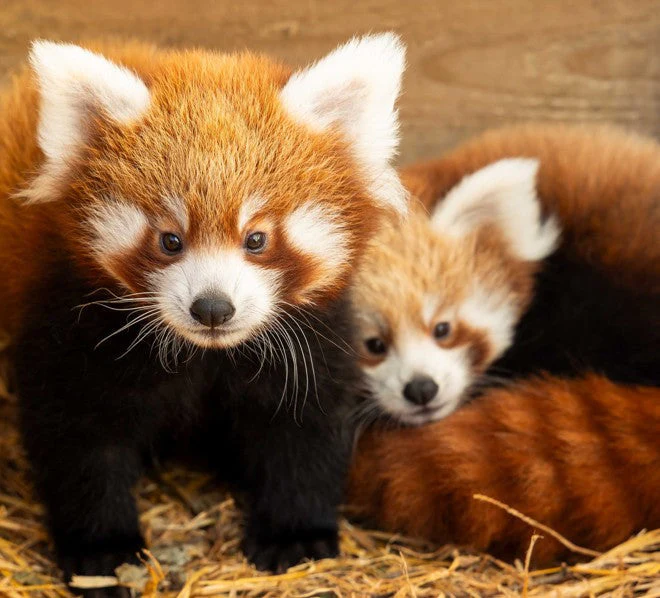
A Red Panda is a small and very cute wild animal that lives in the mountain forests of Asia. It has soft reddish-brown fur, a long bushy tail, and a gentle face. Many people call it one of the most beautiful animals in the Himalayas because of its calm and lovely look. A Red Panda is shy and mostly hides in trees, so it is not easy to see in the wild.
The Red Panda is an endangered animal, which means its number is getting lower in the wild. It is found only in a few countries, and Nepal is one of the best places where it still survives in nature. This makes Red Panda in Nepal very special for wildlife lovers and trekkers. When people come for trekking in Nepal, they often hope to see this rare animal during forest walks.
A Red Panda usually lives in cool mountain forests where bamboo trees grow. Bamboo is its main food. It also eats fruits, leaves, and small plants. Because it depends on forests, it needs a clean and safe natural environment to survive. That is why protected areas in Nepal are very important for this rare wildlife.
In Nepal, the Red Panda is mostly found in the eastern and central Himalayan regions. Places like Langtang, Ilam, and Taplejung are known for their natural forest habitats. These areas are also popular trekking routes, which makes it exciting for trekkers who love wildlife. Seeing a Red Panda during a trek is rare, but possible if you are lucky and careful.
Many travelers are attracted to Nepal not only for mountains but also for rare wildlife experiences. The idea of seeing a Red Panda in its natural home makes trekking more special and meaningful. It gives people a deeper connection with nature and shows how rich Nepal is in biodiversity.
For many visitors, the chance to see a Red Panda in the wild becomes one of the most memorable parts of their journey in the Himalayas.
Where Do Red Pandas Live in Nepal?
The Red Panda lives in specific forest areas of Nepal that are cold, quiet, and full of trees. These animals do not live in cities or open fields. They prefer high mountain forests where they can stay safe and find food easily. In Nepal, the Red Panda is mostly found at an altitude between 2,200 meters to 4,800 meters, where the weather is cool and the forests are thick.
A Red Panda loves bamboo forests because bamboo is its main food. It also lives in rhododendron forests, which are full of colorful flowers in spring. These forests are dense, green, and peaceful, which makes them a perfect home for this shy animal. The Red Panda spends most of its time on trees, resting or slowly moving from branch to branch. It avoids humans and noisy places, so it is very hard to spot during trekking in Nepal.
In Nepal, Red Panda in Nepal is mainly found in a few special regions where forests are still well protected. These areas are important for trekking and wildlife experience.
Eastern Nepal
The eastern region has the largest population of Red Panda. Places like Ilam, Taplejung, and Panchthar are known for deep forests and rich biodiversity. The trekking trails here pass through quiet jungle paths, which increases the chance of seeing a Red Panda in its natural home. These regions are also less crowded, so the forest remains peaceful.
Central Nepal
The Langtang region is one of the most famous places for Red Panda sightings. The forests of Langtang National Park are full of bamboo and rhododendron trees. Trekkers on routes like Langtang Valley Trek or Gosainkunda Trek may have a chance to see a Red Panda, especially in quiet forest sections early in the morning or late afternoon.
Western Nepal
In western Nepal, Red Panda sightings are very rare. The habitat is not as suitable compared to eastern and central regions. However, some protected forest areas still support small populations, but spotting them here is difficult.
The natural habitat of the Red Panda is very sensitive. Even small changes in the forest can affect their survival. That is why protected areas and conservation efforts in Nepal are very important for keeping this rare animal safe in the Himalayas.
Best Trekking Areas to See Red Panda in Nepal
Seeing a Red Panda in the wild is a special experience for many trekkers in Nepal. It is not easy because the Red Panda is shy and hides in dense forests. But some trekking regions in Nepal give a better chance to spot this rare animal in its natural home. These places are rich in bamboo forests, rhododendron trees, and quiet mountain trails where the Red Panda in Nepal feels safe.
Langtang National Park (Best chance)
Langtang National Park is one of the most famous places for Red Panda sightings. It is the best trekking region in Nepal if you are hoping to see a Red Panda in the wild.
Langtang Valley Trek passes through thick forests and peaceful trails.
The area has many bamboo zones, which is the main food source for Red Panda.
Gosainkunda region also has forest paths where wildlife is active.
The forest here is dense, quiet, and less disturbed by humans.
Because of these conditions, Langtang gives the highest chance of seeing a Red Panda during trekking in Nepal. Early morning walks in forest areas are the best time to look for them.
Ilam (Eastern Nepal Tea + Forest Area)
Ilam is in eastern Nepal and is famous for tea gardens and green forests. It is also an important habitat for the Red Panda.
Sandakpur Trek is a popular route in this region.
Mai Pokhari area is known for its rich biodiversity and calm forest environment.
The forests here are full of life, with birds, animals, and thick greenery.
In Ilam, trekkers enjoy both natural beauty and a chance to explore areas where Red Panda may live. The peaceful environment supports the survival of this rare animal.
Kanchenjunga Conservation Area
This is one of the most remote trekking regions in Nepal. It is far from busy tourist routes and very rich in natural forest.
It has deep untouched forests where a Red Panda can live safely.
Very few tourists visit, so wildlife remains undisturbed.
The area is large, so sightings are rare but possible.
This region is perfect for trekkers who want a real wilderness experience in search of Red Panda in Nepal.
Other possible areas
There are also some other forest corridors where Red Panda habitats exist.
Panchthar–Ilam–Taplejung corridor is an important wildlife zone connecting forests.
Makalu Barun region has very rich biodiversity, but Red Panda sightings are very rare here.
These areas are not easy for spotting a Red Panda, but they still play an important role in protecting its natural habitat in Nepal.
Best Time to See Red Panda in Nepal
The Red Panda lives in dense mountain forests, and timing plays an important role if you want to see it during trekking in Nepal. This shy animal does not move around all the time, so choosing the right season can increase your chance of spotting it in the wild. The best time to look for a Red Panda is when the weather is clear and the forest is calm.
Spring (March–May)
Spring is one of the best seasons for trekking and also for wildlife watching in Nepal. During this time, the forests become green and full of life.
The temperature is mild, not too cold or too hot
Rhododendron flowers bloom, making the forest colorful
A Red Panda becomes slightly more active as it searches for food
Forest trails are easier to walk compared to winter snow
In spring, the chances of seeing a Red Panda in Nepal are better because they move more in search of fresh bamboo shoots and food. Early mornings in bamboo forests give the best opportunity.
Autumn (September–November)
Autumn is another very good season for trekking and wildlife spotting. After the monsoon rain, the forest becomes fresh and clean.
Clear skies give good visibility in forest areas
Dry trails make trekking easier and safer
Wildlife activity increases after the rainy season
A Red Panda may come out more often in search of food
During this season, the forest is quiet and peaceful, which helps trekkers observe nature carefully. Many people choose autumn for trekking in Nepal, so chances of spotting a Red Panda in well-known regions like Langtang or Ilam are also better.
Why these seasons are best
The Red Panda is very sensitive to weather and human activity. In extreme cold or heavy rain, it usually stays hidden in tree hollows or dense bamboo areas. Spring and autumn offer the best balance of comfort and food availability for the animal.
Clear weather helps trekkers move safely in forests
Wildlife, including the Red Panda, is more active
Better chances of seeing movement in trees or bamboo zones
Forest sounds are clearer, helping you notice animal activity
These two seasons are also the most popular for trekking in Nepal, which means guided trips are easier to find. Local guides often know the forest paths where Red Panda sightings have happened before, increasing the chance of a successful wildlife trek experience.
Tips to Spot Red Panda During Trekking
Seeing a Red Panda in the wild is not easy, but it becomes possible if you follow the right way of trekking and stay patient in the forest. This small and shy animal lives high in the mountains and hides most of the time in trees and bamboo areas. During trekking in Nepal, you need both luck and good observation skills to notice a Red Panda in its natural home.
Walk quietly in forest sections
One of the most important tips is to walk quietly when you enter forest areas. The Red Panda has very sharp senses and can hear human movement easily. If there is too much noise, it will hide deeper in the forest. While trekking in Nepal, try to walk slowly and avoid loud talking in bamboo and rhododendron forests. This increases your chance of seeing a Red Panda moving on tree branches.
Go with a local guide
A local guide is very important when you are searching for a Red Panda. Guides know the forest paths and places where Red Panda sightings have happened before. They also understand animal behavior and can help you find signs like footprints or broken bamboo. In regions like Langtang or Ilam, guides play a big role in improving your wildlife experience.
Early morning or late afternoon search
The best time to look for a Red Panda in Nepal is early in the morning or late in the afternoon. During these times, the animal is more active as it searches for food. Midday is usually quiet because the Red Panda rests in trees or hidden spots. If you are trekking in forest areas, plan your walks during these active hours.
Look in bamboo areas
Bamboo forests are the main home of the Red Panda. It feeds mainly on bamboo leaves and shoots. While trekking, pay close attention to dense bamboo zones. Sometimes you may see movement in the trees or hear soft sounds of branches. These small signs can help you notice a Red Panda nearby.
Be patient and observant
Patience is very important when trying to spot a Red Panda in the wild. It is a very shy animal and does not come out often. Even experienced trekkers may walk for days without seeing one. While trekking in Nepal, staying calm and observing your surroundings carefully increases your chances.
A Red Panda experience is not just about seeing the animal, but also about enjoying the peaceful forest environment where it lives.
Conservation Status of Red Panda
The Red Panda is an endangered animal, which means its population in the wild is slowly decreasing. It is a rare and special animal found in the Himalayan forests of Nepal and a few other countries. Because of its small population and limited habitat, protecting the Red Panda in Nepal is very important for nature and future generations.
Endangered species
The Red Panda is listed as an endangered species. This means it is at risk of disappearing if proper protection is not done. In Nepal, only a limited number of Red Pandas are left in the wild. They mostly live in remote mountain forests where human activity is low. Even in these areas, their survival is not fully safe.
Threats to Red Panda
There are several reasons why the Red Panda population is decreasing.
Habitat loss: Forests are being cut for farming, roads, and settlements. This reduces the natural home of the Red Panda.
Hunting: In some areas, Red Pandas are still illegally hunted, even though it is not allowed.
Climate change: Changing weather patterns affect bamboo growth, which is the main food of the Red Panda. When bamboo decreases, the animal struggles to survive.
These threats make life difficult for this shy animal in the wild forests of Nepal.
Nepal conservation efforts
Nepal is working to protect the Red Panda through different conservation programs. Local communities, conservation groups, and the government are all involved in saving this rare species. Awareness programs are also running in villages near Red Panda habitats. People are being taught why this animal is important and how it helps maintain forest balance.
The Red Panda in Nepal is now protected under national laws, which helps reduce illegal hunting and habitat destruction. Conservation groups also track Red Panda movements to study their behavior and protect them better.
Role of protected areas and national parks
Protected areas play a very important role in saving the Red Panda. National parks and conservation areas provide a safe home where the animal can live without disturbance.
Langtang National Park is one of the most important habitats for the Red Panda
Kanchenjunga Conservation Area helps protect remote forest populations
Makalu Barun National Park also supports rich biodiversity, including Red Panda habitats
These protected areas help keep forests safe and reduce human pressure on wildlife. They also make trekking in Nepal more meaningful, as visitors can learn about the importance of protecting the Red Panda while exploring natural trails.
Responsible Wildlife Trekking
When you go trekking in Nepal, seeing nature and wildlife like the Red Panda is a special experience. But it is very important to enjoy it in a responsible way. The forest is the home of many animals, including the Red Panda, and trekkers must respect their space. Responsible trekking helps protect nature and also increases the chance that future visitors can still see a Red Panda in Nepal in the wild.
Do not disturb animals
The most important rule is to never disturb wildlife. A Red Panda is very shy and easily scared by human presence. If it feels danger, it will quickly hide in trees or bamboo. While trekking, you should observe from a distance and never try to touch, feed, or chase any animal. Let the Red Panda live naturally in its forest home without stress.
No loud noise in forests
Forests are quiet places, and animals depend on silence to feel safe. Loud talking, shouting, or playing music can scare a Red Panda and other wildlife away. When trekking through bamboo or rhododendron forests, try to speak softly and walk calmly. Silence also helps you hear natural sounds like birds or movement in trees, which may help you notice a Red Panda nearby.
Follow guide instructions
Local guides play an important role in wildlife trekking. They know forest trails, animal habits, and safe viewing spots. If you are trekking in areas where a Red Panda lives, your guide may tell you where to walk or where to stop. Following their instructions increases your safety and also protects the animal. Guides help ensure that the Red Panda is not disturbed during your trek.
Support local eco-tourism
Eco-tourism means traveling in a way that helps protect nature and supports local communities. When you choose responsible trekking in Nepal, you help protect the habitat of the Red Panda. Staying in local lodges, hiring local guides, and respecting forest rules all contribute to conservation efforts. This also gives income to local people, which reduces pressure on forests and wildlife.
The future of the Red Panda in Nepal depends on how responsibly people behave in its natural habitat. Simple actions like walking quietly, following rules, and respecting wildlife make a big difference in keeping Nepal’s forests safe and healthy for this rare animal.
Conclusion
The Red Panda is one of the rarest and most special animals found in the Himalayan forests of Nepal. It is small, shy, and peaceful, which makes it very different from many other wild animals. Because it lives only in high mountain forests and depends on bamboo and clean nature, seeing a Red Panda in Nepal feels like a very unique experience for trekkers and nature lovers.
Nepal is one of the best countries in the world to see the Red Panda in its natural home. The forests of places like Langtang, Ilam, and Kanchenjunga provide the right environment for this animal to survive. These regions are full of dense bamboo, rhododendron trees, and quiet trails where the Red Panda can live safely. Even though sightings are not common, the chance to explore these habitats makes trekking in Nepal very exciting.
For many travelers, trekking is not only about mountains and views. It is also about wildlife and nature. When people walk through forest trails in search of a Red Panda, they experience something deeper than normal tourism. It becomes a journey into quiet forests, natural sounds, and peaceful surroundings. This mix of adventure and wildlife makes Nepal very special for trekking lovers.
A Red Panda in Nepal represents the beauty and balance of the Himalayan ecosystem. Protecting it means protecting forests, water sources, and many other animals that live in the same environment. That is why conservation and responsible trekking are important for the future of wildlife in Nepal.
Trekking in Nepal gives a perfect combination of adventure and wildlife experience. Walking through remote forest paths, crossing small villages, and entering protected national parks gives trekkers a real connection with nature. The hope of seeing a Red Panda along the way makes the journey even more meaningful for many visitors.


