
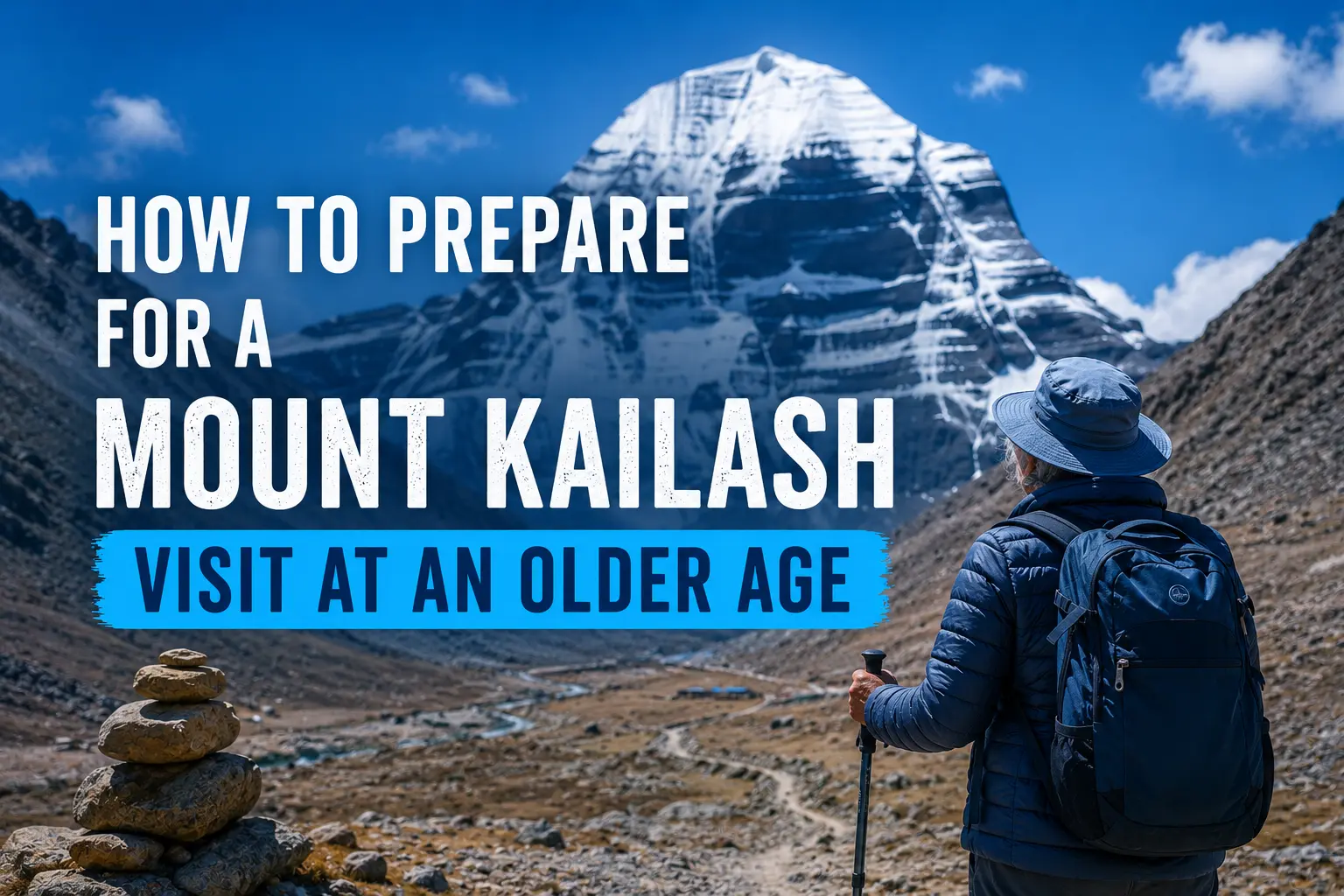
How to Prepare for a Mount Kailash Visit at an Older Age
Why More Older Pilgrims Are Choosing a Mount Kailash Visit
Many people spend years thinking about visiting Mount Kailash. During their working life, family responsibilities, busy schedules, and financial commitments often make it difficult to plan such a long journey. After retirement, many finally have the time and freedom to focus on personal goals and spiritual experiences. This is one of the main reasons why more older pilgrims are choosing a Mount Kailash Visit in recent years. For many, it is not just a holiday but a lifelong dream that holds deep religious and personal meaning.
Mount Kailash is one of the most sacred mountains in the world. It is respected by followers of Hinduism, Buddhism, Jainism, and Bon. Many Hindus believe it is the home of Lord Shiva, while Buddhists see it as a place of great spiritual power. Because of this strong religious importance, many people feel a deep desire to visit the mountain at least once in their lifetime. Older travelers often see this journey as a chance to strengthen their faith, find inner peace, and fulfill a promise they have carried for many years.
One common misunderstanding is that only young and very fit people can complete the journey. In reality, age alone does not decide whether someone can take part in a Mount Kailash Visit. Every year, many travelers in their 50s, 60s, and even 70s successfully complete the pilgrimage. What matters most is their overall health, preparation, and willingness to follow the advice of experienced guides. People who stay active, have stable health, and prepare well before the trip often enjoy a safe and rewarding experience.
Proper planning plays a much bigger role than physical strength. Preparing for high altitude, following a walking routine, eating healthy food, and getting a medical check-up before traveling can make a big difference. Choosing the right travel itinerary also helps older pilgrims enjoy the journey without unnecessary stress. Many tour operators now offer well-planned schedules with enough acclimatization time, comfortable accommodation where available, and experienced guides who understand the needs of senior travelers. These thoughtful arrangements make a Mount Kailash Visit more comfortable and suitable for older age groups.
Another reason more senior citizens are taking this pilgrimage is the growing availability of organized tours. In the past, traveling to Mount Kailash was much more difficult due to limited transportation and fewer travel services. Today, better road access, improved logistics, and experienced trekking companies have made the journey more manageable. Travelers can choose from different routes and itineraries based on their fitness level, available time, and travel preferences.
Many older pilgrims also value the emotional and spiritual rewards that come with the journey. Spending time in the peaceful Himalayan landscape, visiting sacred lakes and monasteries, and walking around Mount Kailash allows many people to step away from daily worries and focus on their spiritual beliefs. For some, it is a chance to pray for family members, express gratitude, or seek personal peace. These meaningful experiences often become the most memorable part of their Mount Kailash Visit and inspire others of a similar age to begin planning their own pilgrimage.
Is There an Age Limit for a Mount Kailash Visit?
Many people ask whether there is an age limit for a Mount Kailash Visit, especially those planning the journey after retirement. This is a common concern because the pilgrimage takes place at a high altitude and includes long travel days. While age is an important factor, it is not always the main requirement. In most cases, your overall health and fitness are more important than the number of years you have lived.
There is no single age limit that applies to every traveler. The rules can vary depending on the tour operator, travel insurance provider, and the permits issued by the local authorities in Tibet. Some tour companies may accept travelers up to 70 or 75 years of age if they are healthy and receive medical clearance from their doctor. Others may have different policies based on their own safety standards. Because these requirements can change, it is always a good idea to check with your chosen travel company before making your booking.
The route you choose for your Mount Kailash Visit can also affect the requirements. Most pilgrims travel through Nepal before entering Tibet, while others may choose different travel options depending on the available permits and tour packages. Regardless of the route, all travelers eventually reach the high-altitude areas around Mount Kailash. The biggest challenge is not the travel route itself but the thin air found at elevations above 4,500 meters. This is why tour operators pay close attention to each traveler’s health rather than focusing only on age.
A healthy person in their late 60s may complete the pilgrimage more comfortably than someone much younger who has heart problems or other serious medical conditions. Good physical condition, stable blood pressure, healthy lungs, and the ability to walk for several hours each day are often more important than age alone. Many senior pilgrims successfully complete the journey every year because they prepare well and understand the challenges of high-altitude travel.
Before booking a Mount Kailash Visit, it is strongly recommended to have a complete medical check-up. Visit your doctor and discuss your travel plans in detail. Your doctor can assess your heart health, lung function, blood pressure, and any existing medical conditions. If you take regular medication, ask whether it is safe to travel at high altitude and whether you need to carry extra medicine during the trip. It is also helpful to ask for advice about altitude sickness and any vaccinations or health precautions that may be needed.
If your doctor confirms that you are fit for the journey, you can begin preparing with greater confidence. Many tour operators also ask senior travelers to complete a health declaration or provide a fitness certificate before departure. This process helps ensure that everyone joining the pilgrimage is ready for the physical demands of the trip.
A Mount Kailash Visit is not about being young. It is about being well prepared, understanding the conditions of the journey, and taking the right steps to protect your health before and during the pilgrimage. With proper planning and medical advice, many older pilgrims are able to enjoy this once-in-a-lifetime spiritual experience safely.
How to Prepare Your Body Before the Journey
Preparing your body is one of the most important steps before a Mount Kailash Visit, especially for older travelers. The journey takes you to high-altitude areas where the air contains less oxygen than at sea level. You do not need to be an athlete, but you should be physically ready for long travel days and moderate walking. Starting your preparation several weeks before departure can make the journey safer and more comfortable.
One of the easiest ways to prepare is by walking regularly. Try to begin at least six to eight weeks before your trip. Start with a comfortable distance and slowly increase your walking time as your body gets stronger. Walking for 30 to 60 minutes, five or six days a week, helps improve your heart health, breathing, and leg strength. If possible, walk on gentle hills or uneven paths to get used to different types of terrain. This simple habit can make a big difference during your Mount Kailash Visit.
Light exercise is another good way to improve your stamina. You do not need a heavy workout or gym training. Gentle activities like cycling, swimming, yoga, or stretching can help build endurance while keeping your joints flexible. These exercises improve balance and reduce the chance of muscle pain during the journey. Older travelers should choose activities that match their fitness level and avoid exercises that cause discomfort or injury.
Practicing stair climbing is also helpful because some parts of the pilgrimage include uphill walking. If you have stairs at home or nearby, spend a few minutes climbing them several times a week. Begin slowly and increase the number of steps as your strength improves. This exercise helps strengthen your legs and prepares your body for climbing at higher elevations. Remember to maintain a steady pace rather than rushing, as slow and consistent movement is important during a Mount Kailash Visit.
A healthy diet also plays an important role in your preparation. Eat balanced meals with fruits, vegetables, whole grains, lean protein, and healthy fats. Foods rich in vitamins and minerals help your body stay strong and recover after exercise. Avoid eating too much processed food or sugary snacks, as they provide little nutrition. Drinking enough water every day is equally important. Staying hydrated helps your body function properly and can make it easier to adjust to higher altitudes during your journey.
Preparing for high altitude should also be part of your plan. Although you cannot fully train your body for altitude unless you spend time in similar conditions, improving your fitness helps your body cope better with lower oxygen levels. Learn about the symptoms of altitude sickness, such as headache, dizziness, nausea, and tiredness. During your Mount Kailash Visit, it is important to walk slowly, drink plenty of water, and follow the acclimatization schedule provided by your guide. Taking your time allows your body to adjust naturally.
Before confirming your travel plans, schedule a full medical check-up with your doctor. This is especially important if you have high blood pressure, diabetes, heart disease, asthma, or any other long-term health condition. Your doctor can check whether you are fit for high-altitude travel and advise you about your regular medications. Getting your doctor’s approval gives you confidence and helps ensure that your Mount Kailash Visit is planned with your health and safety in mind.
Health and Safety Tips for Older Travelers
Good health and safety habits can make your Mount Kailash Visit more comfortable and enjoyable. Since the journey takes place at high altitude, older travelers should pay extra attention to how their body feels each day. The goal is not to move fast but to travel safely while giving your body enough time to adjust to the mountain environment. By following simple health precautions and listening to your guides, you can reduce many common risks during the pilgrimage.
One of the biggest challenges during a Mount Kailash Visit is altitude sickness. As you climb to higher elevations, the amount of oxygen in the air becomes lower. This can affect anyone, no matter their age or fitness level. Some of the most common symptoms include headache, dizziness, tiredness, nausea, loss of appetite, trouble sleeping, and shortness of breath. Mild symptoms are common, but they should never be ignored. If you notice that your symptoms are becoming worse, tell your guide immediately so they can assess your condition and decide on the safest next step.
If you take prescription medicine for blood pressure, diabetes, heart disease, asthma, or any other health condition, make sure you bring enough medicine for the entire journey. Keep your medicines in your daypack instead of your main luggage so they are always easy to reach. It is also helpful to carry a copy of your prescriptions and a list of your medical conditions. Before starting your Mount Kailash Visit, speak with your doctor about your travel plans and ask whether any changes to your medication are needed for high-altitude travel.
Staying hydrated is another important part of staying healthy. High-altitude air is usually dry, and your body loses water more quickly than you may notice. Drink water regularly throughout the day, even if you do not feel thirsty. Warm drinks and soups can also help keep your body hydrated. Try to avoid drinking too much alcohol, as it can increase dehydration and make it harder for your body to adjust to the altitude.
Walk at a pace that feels comfortable for you. There is no prize for reaching the destination first during a Mount Kailash Visit. Taking slow and steady steps helps you breathe more easily and saves energy for the rest of the day. If you feel tired, take short breaks and allow your breathing to return to normal before continuing. Many experienced pilgrims follow the simple rule of walking slowly and consistently instead of rushing.
Getting enough rest is just as important as walking. A good night’s sleep helps your body recover from each day’s activities. During rest stops, relax, eat light meals, and give yourself time to recover before continuing the journey. Do not ignore signs of fatigue, especially if you have been walking for several hours.
Your trekking guides are trained to monitor the group’s safety, so always listen to their instructions. They understand the route, weather conditions, and the effects of high altitude. If you have a headache, chest pain, breathing difficulty, or feel unusually weak, report it as soon as possible instead of waiting for it to improve on its own. Early action often prevents more serious health problems.
It is also wise to purchase travel insurance that covers high-altitude trekking and emergency evacuation. Not all insurance policies include mountain travel, so check the details carefully before booking. A good insurance plan can provide financial protection if you need medical treatment, trip cancellation, or emergency transport during your Mount Kailash Visit, allowing you to focus on your health and the spiritual experience of the journey.
What to Pack for a Comfortable Mount Kailash Visit
Packing the right items is an important part of preparing for a comfortable Mount Kailash Visit, especially for older travelers. The weather around Mount Kailash can change quickly, and temperatures are often cold, even during the daytime. Since the journey takes place in remote mountain areas, it is always better to carry the essential items you may need. Packing smart will help you stay comfortable, avoid unnecessary stress, and enjoy the pilgrimage with greater confidence.
One of the first things to pack is warm layered clothing. Instead of wearing one thick jacket, bring several light layers that you can add or remove depending on the weather. A moisture-wicking base layer keeps your body dry, while a warm fleece or down jacket provides insulation. A waterproof and windproof outer jacket helps protect you from cold winds and light rain. Do not forget warm gloves, a wool hat, comfortable socks, and a neck warmer, as mornings and evenings can be very cold during a Mount Kailash Visit.
Comfortable trekking shoes are another essential item. Choose shoes that are already broken in and provide good ankle support. Wearing new shoes for the first time during the trip can lead to blisters and sore feet. Good-quality trekking shoes with a strong grip help you walk safely on rocky and uneven trails. Pack a few pairs of moisture-wicking socks as well, so your feet stay dry and comfortable throughout the journey.
Walking poles can make a big difference, especially for senior pilgrims. They reduce pressure on your knees and improve balance while walking uphill or downhill. Many older travelers find that trekking poles make long walking days much easier and help prevent slips on uneven ground. If you have never used them before, practice walking with them before your Mount Kailash Visit so you feel comfortable using them on the trail.
Carry all your personal medications in your daypack, along with a copy of your prescriptions if possible. Bring enough medicine for the entire trip and pack a few extra days’ supply in case of unexpected delays. A small first-aid kit is also useful. It should include adhesive bandages, antiseptic cream, pain relief tablets, blister treatment, basic stomach medicine, and any other items recommended by your doctor.
The strong mountain sun at high altitude can easily cause sunburn and eye discomfort. Pack a good sunscreen with a high SPF rating and apply it regularly throughout the day. A pair of quality sunglasses with UV protection helps protect your eyes from bright sunlight and glare, especially near snow-covered areas. These simple items can make your Mount Kailash Visit much more comfortable.
A reusable water bottle is another must-have. Drinking enough water helps your body stay hydrated and adjust better to high altitude. Some travelers also carry an insulated bottle to keep water warm in colder weather. A power bank is equally important because electricity may not always be available at every stop. It allows you to keep your phone, camera, or other essential devices charged during the journey.
Pack a few light snacks such as energy bars, nuts, dried fruits, or biscuits. These provide quick energy between meals and can be especially helpful during long travel days. Lastly, keep your passport, permits, travel insurance documents, identification, and other important papers in a waterproof pouch. Having these documents organized and easy to access will help your Mount Kailash Visit go more smoothly as you travel through different checkpoints and border crossings.
Choosing the Right Tour Operator for Senior Citizens
Choosing the right tour operator is one of the most important decisions when planning a Mount Kailash Visit, especially for older travelers. A well-organized company can make the journey safer, more comfortable, and less stressful from the beginning to the end. Since the pilgrimage involves high altitude, remote locations, and long travel days, it is important to travel with a company that understands the needs of senior citizens and has experience managing mountain expeditions.
Start by looking for a licensed and experienced tour operator with a strong history of organizing Mount Kailash trips. An experienced company understands the permit process, transportation, accommodation, and the challenges of traveling in Tibet. They also know how to plan the itinerary to give travelers enough time for acclimatization, which is one of the most important factors for a successful Mount Kailash Visit. A well-planned schedule helps reduce the risk of altitude sickness by allowing your body to adjust gradually to the higher elevations.
Small group sizes are another feature worth considering. Traveling in a smaller group allows guides to give more personal attention to each traveler. This is especially helpful for senior pilgrims who may need extra support or a slower walking pace. Guides can monitor everyone’s health more closely and respond quickly if someone feels unwell. Smaller groups also create a more relaxed and enjoyable travel experience.
Experienced guides with first-aid training are essential for high-altitude journeys. They know how to recognize the early signs of altitude sickness and other health concerns. A professional guide will regularly check on the group’s condition, encourage proper hydration, and adjust the pace when necessary. During a Mount Kailash Visit, having a knowledgeable guide nearby gives older travelers greater confidence throughout the journey.
Safety equipment is equally important. Ask whether the tour operator carries oxygen cylinders and emergency medical supplies during the trip. Although most travelers complete the pilgrimage without serious problems, having oxygen available provides additional peace of mind in case someone experiences altitude-related symptoms. It is also helpful to ask about emergency evacuation procedures and how the company handles unexpected medical situations.
Accommodation may be basic in some parts of the journey, but a good tour operator will arrange the most comfortable options available whenever possible. Clean rooms, warm meals, and well-planned overnight stops help travelers rest properly before the next day’s journey. Adequate acclimatization days should never be skipped simply to shorten the itinerary, especially for elderly pilgrims.
Before making your final decision, read reviews from previous travelers. Positive feedback about safety, guide experience, organization, and customer service can help you choose a reliable company. Companies with a good safety record and many satisfied guests are usually a safer choice for senior travelers planning a Mount Kailash Visit.
For travelers looking for a trusted company, Amble Himalaya is an excellent option. Established in 2019, Amble Himalaya is one of Nepal’s most trusted women-led tour organizations, known for providing safe, well-organized, and meaningful Himalayan adventures. The company is led by knowledgeable and passionate female guides who bring local knowledge, professional experience, and personal care to every journey. Their focus on small group travel allows guides to give individual attention to each traveler, making the experience especially suitable for senior citizens.
Amble Himalaya focuses on authentic, sustainable tourism and empowering women in Nepal’s tourism sector, offering experienced trip planning and a strong emphasis on safety to ensure that older pilgrims have a comfortable and memorable spiritual journey to Mount Kailash.
Amble Himalaya is committed to authentic and sustainable tourism while creating opportunities for women in Nepal’s tourism industry. Their experienced team, careful trip planning, and strong focus on safety help make every Mount Kailash Visit more comfortable, enjoyable, and memorable for older pilgrims seeking a once-in-a-lifetime spiritual journey.