
Top 12 Best Treks in Nepal for Solo Female Trekkers in 2027
Introduction: Why Nepal is Safe and Best for Solo Female Trekkers
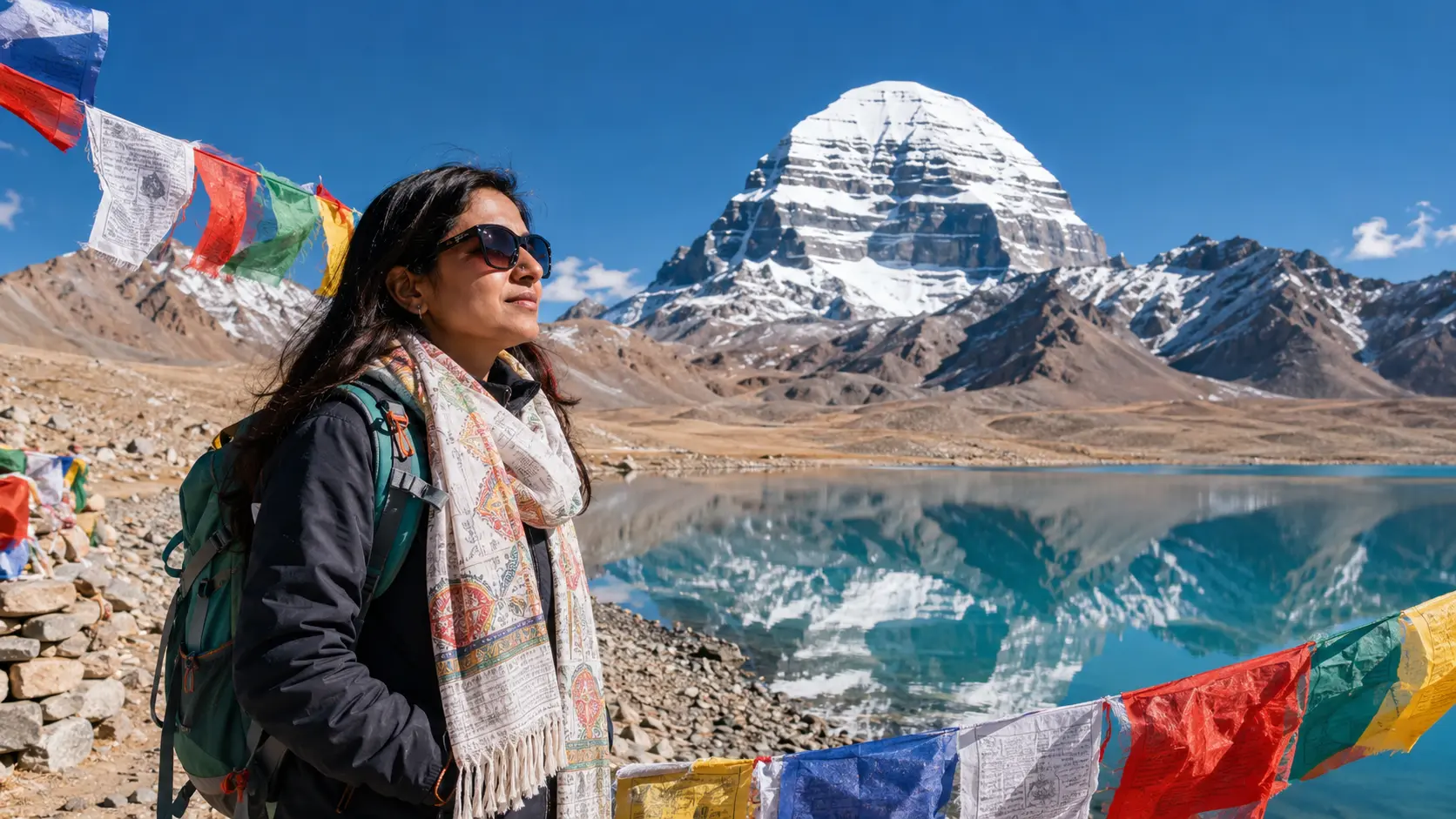
Nepal is one of the most beautiful trekking destinations in the world. It is known for its tall mountains, peaceful villages, and friendly people. Every year, thousands of travelers come here to explore the Himalayas. In recent years, Nepal has become especially popular among Solo Female Trekkers who want both adventure and safety in one trip.
One of the main reasons Nepal is safe for trekking is the strong trekking culture. Trails like Everest, Annapurna, and Langtang are well marked and used by many trekkers every day. You will also find small tea houses along the routes. These tea houses are simple guesthouses run by local families. They provide food, warm beds, and a place to rest. This makes trekking easier and more comfortable, even in remote areas.
Nepali people are known for their hospitality. Locals are very kind and helpful to visitors. If you ever feel lost or need help, people in villages are usually ready to guide you. This friendly behavior gives extra confidence to Solo Female Trekkers who are traveling alone for the first time.
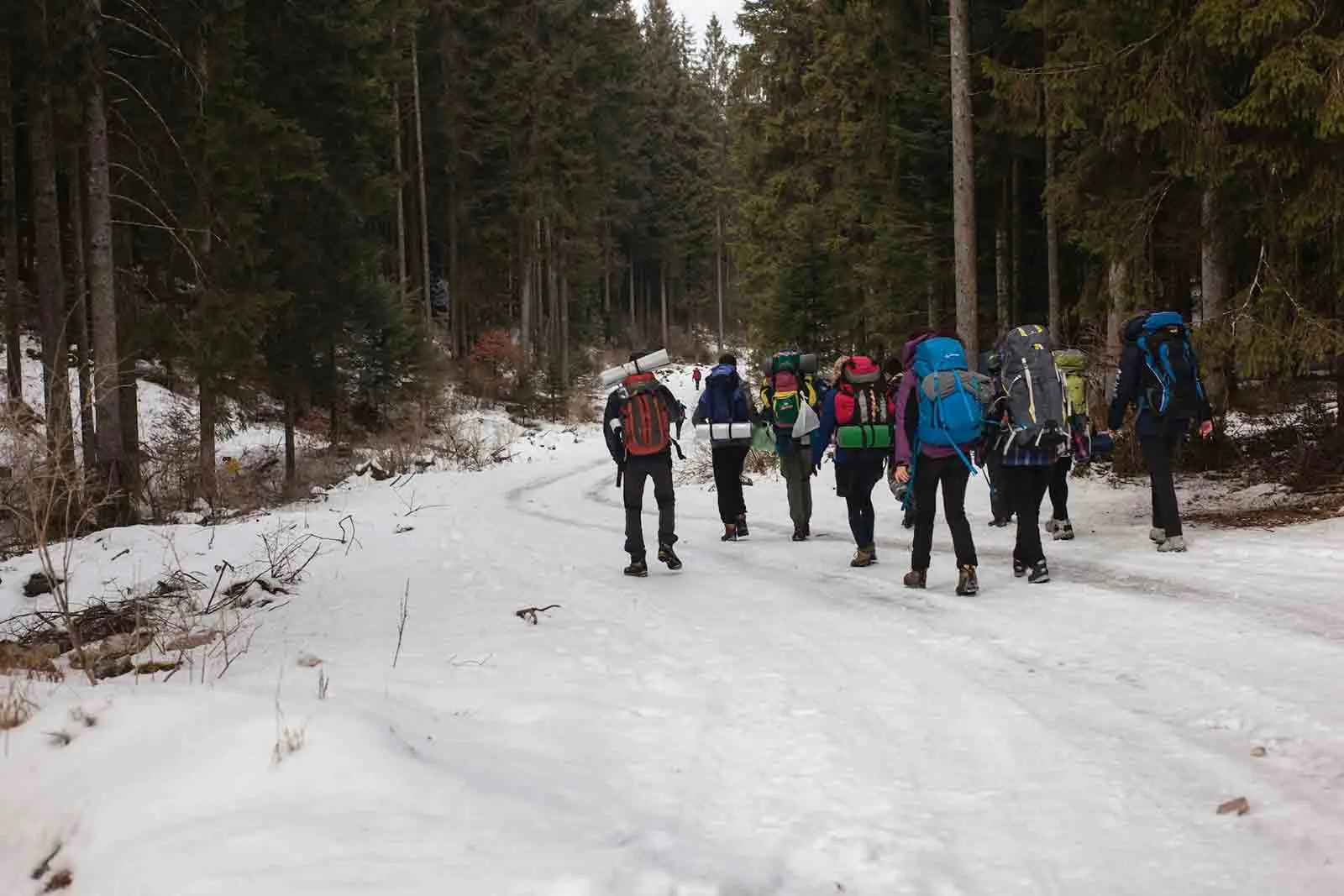
Another important reason is the trekking network in Nepal. In most popular routes, you will meet other trekkers from different countries. This creates a sense of safety and community on the trail. Many Solo Female Trekkers feel comfortable because they are never truly alone, even when trekking solo.
Nepal also offers a strong sense of independence. Many women choose trekking here because they can move at their own pace, make their own decisions, and enjoy nature without pressure. The journey allows time for reflection, peace, and personal growth. The mountains, rivers, and forests create a calm environment that feels far away from busy city life.
In 2027, more Solo Female Trekkers are choosing Nepal because information is more available, routes are safer, and services have improved. Many trekking agencies now offer female-friendly services, trained guides, and better support systems. This makes planning easier and more secure than before.
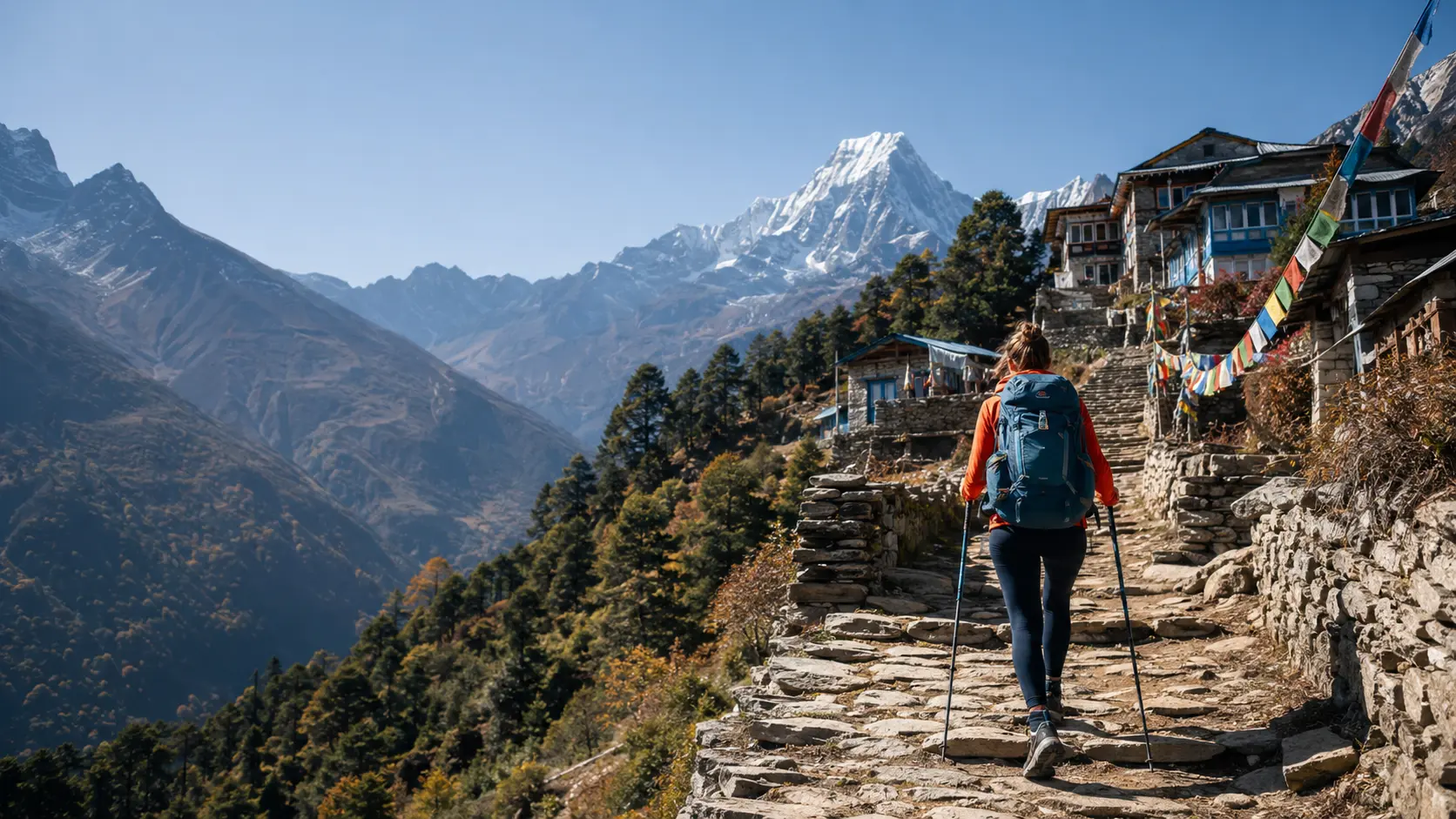
Apart from safety, Nepal offers a rich cultural experience. While trekking, you can see traditional villages, Buddhist monasteries, prayer flags, and local festivals. Every region has its own culture and lifestyle. This makes the journey more meaningful than just walking in the mountains. It becomes a mix of adventure, learning, and cultural discovery for Solo Female Trekkers who want more than just a trek.
Nepal continues to stand out as a destination where nature, culture, and safety come together, making it one of the top choices for trekking in the Himalayas.
Easy Treks in Nepal for Solo Female Trekkers
Nepal offers many easy trekking routes that are perfect for beginners who want to enjoy the Himalayas without facing very difficult climbs. These treks are short, safe, and well supported with tea houses along the way. For many Solo Female Trekkers, these routes are a great starting point to experience trekking in Nepal with confidence.
One of the most popular easy treks is the Ghorepani Poon Hill Trek. This trek usually takes around 3 to 5 days. The trail is well marked and passes through beautiful villages, green forests, and stone steps. The highlight of this trek is the sunrise view from Poon Hill, where you can see mountains like Annapurna and Dhaulagiri glowing in golden light. Because the route is busy and full of tea houses, Solo Female Trekkers feel more safe and comfortable here.
Another great option is the Mardi Himal Base Camp Trek (short version). This trek is slightly quieter but still easy for beginners. It usually takes around 4 to 6 days. The trail goes through peaceful forests, small ridges, and beautiful viewpoints of Machhapuchhre (Fishtail Mountain). Tea houses are available along the route, so you do not need to carry camping gear. Many Solo Female Trekkers like this trek because it feels peaceful and less crowded compared to other routes.
The Langtang Valley Trek is also one of the best beginner-friendly treks in Nepal. It takes around 6 to 7 days and is located close to Kathmandu. The trail is well established and passes through Tamang villages, rivers, and mountain landscapes. After the earthquake, the region has been rebuilt, and tea houses are now well managed again. This trek gives a good mix of nature and culture, which is why many Solo Female Trekkers choose it for their first Himalayan adventure.
All these easy treks in Nepal have common benefits. The trails are safe and clearly marked, so it is easy to follow the path without confusion. Tea houses are available in almost every stop, which means you can eat warm meals and sleep in a bed every night. This makes trekking more comfortable, especially for those who are new to the mountains.
For Solo Female Trekkers, these beginner-friendly routes also provide a good balance of safety and adventure. You can walk at your own pace, enjoy the scenery, and meet other trekkers along the way. Local guides are also available if you want extra support or information during the journey.
These easy treks are perfect for building confidence before trying longer and more challenging routes in Nepal.
Moderate Treks for Solo Female Trekkers
Moderate treks in Nepal are a great choice for travelers who already have some walking experience and want a bit more challenge. These treks are longer, involve more walking hours each day, and may reach higher altitudes. At the same time, they still offer comfort through tea houses and well-used trails. Many Solo Female Trekkers choose these routes because they give a perfect balance between adventure and safety.
One of the most famous moderate treks is the Annapurna Base Camp Trek. This trek usually takes around 7 to 12 days depending on the route. The trail passes through rice fields, forests, waterfalls, and traditional Gurung villages. As you go higher, you get closer views of Annapurna I, Machhapuchhre, and other tall peaks. Tea houses are available throughout the trail, so you can rest and eat warm meals every day. Many Solo Female Trekkers enjoy this trek because it is scenic, well supported, and not too technical.
Another beautiful option is the Gosaikunda Lake Trek. This trek is known for its holy alpine lakes located in the Langtang region. It usually takes around 5 to 8 days. The trail includes steep climbs and forest paths, so a good fitness level is needed. At the top, you will see the sacred Gosaikunda Lake surrounded by mountains. This place is important for both Hindu and Buddhist pilgrims. Solo Female Trekkers often choose this trek for its spiritual feeling and peaceful environment.
The Everest View Trek around Tengboche and Namche Bazaar is another great moderate option. This trek usually takes 5 to 7 days. It does not go all the way to Everest Base Camp, but it offers amazing views of Everest, Ama Dablam, and other Himalayan peaks. The trail is busy and well developed with many tea houses, bakeries, and small lodges. This makes it a comfortable choice for Solo Female Trekkers who want to experience the Everest region without a very long or difficult journey.
These moderate treks require better physical fitness compared to easy routes. Daily walking hours are longer, and some parts of the trail include steep uphill climbs. However, the trails are well maintained and commonly used by trekkers from around the world. This creates a safe and friendly environment.
For Solo Female Trekkers, these routes offer both independence and support. You can walk at your own pace, enjoy local culture, and still meet many other travelers on the way. The mix of mountain views, village life, and comfortable tea houses makes these treks very rewarding without becoming too extreme.
Moderate trekking in Nepal is often seen as the perfect next step after beginner routes, offering a deeper Himalayan experience with a balanced level of challenge.
Hard Treks in Nepal for Experienced Solo Female Trekkers
For trekkers looking for a bigger challenge, Nepal offers several demanding routes that take you deeper into the Himalayas. These treks involve longer walking days, higher elevations, and more time on the trail. They are best suited for people with good fitness, previous trekking experience, and proper preparation. Many experienced Solo Female Trekkers choose these routes because they provide a rewarding adventure while showcasing some of Nepal’s most spectacular mountain scenery.
The Everest Base Camp Trek is one of the world’s most famous trekking journeys. The trek usually takes around 12 to 14 days and reaches an altitude of 5,364 meters at Everest Base Camp. Along the way, trekkers pass through Sherpa villages, suspension bridges, and Buddhist monasteries. The route offers incredible views of Mount Everest, Lhotse, Nuptse, and Ama Dablam. Due to the high altitude, acclimatization days in places like Namche Bazaar are essential. Solo Female Trekkers planning this trek should focus on fitness training and allow enough time to adjust to the altitude.
Another challenging option is the Manaslu Circuit Trek. This trek normally takes between 14 and 18 days and circles the region around Mount Manaslu, the world’s eighth-highest mountain. The route passes through remote villages, deep river valleys, and the high Larkya La Pass at 5,106 meters. Compared to Everest and Annapurna, this trail is less crowded and feels more remote. Since the Manaslu region is a restricted area, trekkers must travel with a licensed guide. This requirement adds an extra layer of safety and support for Solo Female Trekkers exploring the region.
The Annapurna Circuit Trek is another classic Himalayan adventure. Depending on the itinerary, it usually takes 12 to 18 days to complete. The trail passes through diverse landscapes ranging from green forests and farming villages to dry mountain deserts. The highest point is Thorong La Pass at 5,416 meters, one of the highest trekking passes in Nepal. The trek also offers opportunities to experience different cultures, including Gurung, Thakali, and Tibetan-influenced communities.
High altitude is one of the biggest challenges on all of these treks. As elevation increases, the air becomes thinner, making walking more difficult. Proper acclimatization is important to reduce the risk of altitude sickness. Trekkers should walk slowly, stay hydrated, and listen to their bodies throughout the journey.
For Solo Female Trekkers, hiring a licensed guide or porter can make these challenging treks safer and more enjoyable. Guides help with navigation, weather information, local knowledge, and emergency support if needed. Porters can carry heavy loads, allowing trekkers to focus on the trail and conserve energy. On longer and more demanding routes, this extra support can greatly improve the overall trekking experience while providing added confidence in remote mountain environments.
Very Hard / Strenuous Treks in Nepal
Nepal also has some very remote and physically demanding trekking routes that are only suitable for highly experienced trekkers. These treks go deep into isolated mountain regions where there are very few people, limited facilities, and long walking days. They require strong fitness, mental strength, and good prior trekking experience. For most Solo Female Trekkers, these routes are not the first choice, but some experienced trekkers take them as a serious adventure challenge after completing many other treks in Nepal.
One of the toughest treks is the Kanchenjunga Base Camp Trek. This trek takes you to the eastern part of Nepal, close to the third-highest mountain in the world, Mount Kanchenjunga. The journey usually takes more than 20 days and passes through very remote villages, dense forests, and high mountain valleys. There are very few tea houses compared to popular trekking regions, so trekkers must be well prepared. Communication is also limited in many sections. Only experienced Solo Female Trekkers with strong trekking background and proper support usually consider this route.
The Upper Dolpo Trek is another extremely remote adventure in western Nepal. This trek is known for its dry landscapes, ancient Tibetan culture, and isolated lifestyle. It can take around 18 to 25 days depending on the route. The region is part of a restricted area, so special permits and a licensed guide are required. Facilities are very basic, and in many places, trekkers may need to camp instead of staying in tea houses. This trek demands high endurance and self-reliance, making it suitable only for very experienced Solo Female Trekkers who are comfortable in remote environments.
The Dhaulagiri Circuit Trek is also one of the most challenging trekking routes in Nepal. It usually takes around 15 to 20 days and circles Mount Dhaulagiri, the seventh-highest peak in the world. This trek involves crossing high passes, walking on glaciers, and staying in completely remote camps. Weather conditions can change quickly, and the trail is physically demanding. There are very few settlements along the way, so proper planning and support are necessary.
All of these strenuous treks share some common challenges. The routes are remote and far from modern facilities, so access to communication, medical help, and emergency services is limited. Trekkers must carry proper gear, food supplies, and have strong physical and mental preparation before starting the journey.
For Solo Female Trekkers, these treks are not recommended for beginners or even intermediate trekkers. They require experience from multiple high-altitude treks, confidence in navigation, and the ability to handle isolation. Most people who attempt these routes go with an experienced guide and sometimes in a small group for safety reasons.
These very hard treks are considered true expedition-style journeys in Nepal, offering raw wilderness experiences that are far from the more developed trekking routes.
How to Choose the Right Trek Based on Your Level
Choosing the right trek in Nepal is very important for a safe and enjoyable journey. Every trekking route is different in terms of difficulty, distance, altitude, and comfort level. Understanding your own ability helps you pick the right path, especially for Solo Female Trekkers who want a smooth and positive experience in the Himalayas.
The first thing to consider is whether you are a beginner or an experienced trekker. Beginners should start with easier routes like Ghorepani Poon Hill or Langtang Valley, where the trails are shorter and well marked. Experienced trekkers can go for harder routes like Everest Base Camp or Annapurna Circuit. These routes need more stamina and confidence. Many Solo Female Trekkers begin with easy treks and slowly move to moderate or hard ones as they gain experience.
Fitness and altitude tolerance are also very important. Trekking in Nepal often involves walking for 5 to 8 hours a day, sometimes on steep or uneven paths. Higher altitude treks can make breathing more difficult. It is helpful to do some physical training before the trip, such as walking, hiking, or light cardio exercises. This helps your body adjust better on the trail. Solo Female Trekkers should also pay attention to their health and listen to their body during the trek.
Time availability plays a big role in choosing a trek. Some treks take only 3 to 7 days, while others can take 2 to 3 weeks. If you have limited time, short treks like Mardi Himal or Poon Hill are better options. If you have more time, longer treks like Manaslu Circuit or Annapurna Circuit can give a deeper Himalayan experience. Solo Female Trekkers often choose routes based on how much time they can spend safely in Nepal.
Budget is another key factor. Trekking costs depend on the route, number of days, guide or porter services, food, and accommodation. Popular and developed routes are usually more affordable because tea houses are available everywhere. Remote treks cost more because of permits, guides, and logistics. Planning your budget in advance helps Solo Female Trekkers avoid stress during the journey.
Safety is the most important part of trekking in Nepal. It is recommended to check weather conditions, carry proper gear, and have travel insurance that covers high altitude trekking. Hiring a licensed guide can be very helpful, especially in remote or difficult areas. Guides provide support, local knowledge, and help in emergencies. For Solo Female Trekkers, this adds an extra level of comfort and confidence on the trail.
By understanding your level, fitness, time, budget, and safety needs, it becomes easier to select the right trekking route in Nepal that matches your personal comfort and adventure goals.
Essential Tips Before You Go Trekking in Nepal
Trekking in Nepal is a wonderful experience, but proper preparation is very important for a safe and comfortable journey. Good planning helps you enjoy the mountains without stress, especially for Solo Female Trekkers who may be traveling alone in remote areas. Simple safety habits and smart choices can make a big difference on the trail.
One of the most important tips is to hire a licensed guide when needed. A guide helps you understand the route, find tea houses, and stay safe in unknown areas. In remote regions or high passes, a guide becomes even more helpful. Many Solo Female Trekkers feel more confident and relaxed when they have a trained guide with them, especially in longer or less crowded treks.
Packing light but smart is another key point. You do not need to carry too many items, but you should carry the right ones. Warm clothes, comfortable trekking shoes, a rain jacket, water bottles, snacks, and basic medicines are very important. A light backpack makes walking easier and reduces tiredness during long trekking days. Solo Female Trekkers often prefer simple packing so they can move comfortably on different terrains.
Travel insurance is very important for trekking in Nepal. It should include high altitude coverage and helicopter evacuation in case of emergency. In remote mountain areas, medical facilities are limited, so insurance gives extra safety. Solo Female Trekkers should always check their insurance details before starting the trek to avoid problems later.
Respecting local culture is also very important. In many villages, people follow traditional customs and simple lifestyles. Dressing modestly and behaving politely helps you connect better with local communities. This respect creates a positive experience for both travelers and locals. Solo Female Trekkers often find that friendly behavior from locals makes the journey more enjoyable and comfortable.
Staying connected and sharing your itinerary is another useful safety step. Before starting your trek, inform your family or friends about your route and schedule. Some trekkers also use local SIM cards or tracking apps to stay connected when possible. This is especially helpful for Solo Female Trekkers traveling alone in the mountains.
Altitude sickness awareness is very important for all trekkers. As you go higher, the air becomes thinner, and your body needs time to adjust. Common symptoms include headache, dizziness, and tiredness. Walking slowly, drinking enough water, and taking rest days help prevent problems. If symptoms get worse, it is important to descend to a lower altitude immediately. Many Solo Female Trekkers follow a slow and steady pace to stay safe in high mountains.
These simple but important tips help make trekking in Nepal safer, smoother, and more enjoyable for every traveler.
Best Trek Choice for You in 2027
Choosing the best trek in Nepal depends on your personal experience, fitness level, and how much adventure you want. There is no single perfect trek for everyone. Some people prefer short and easy walks, while others want long and challenging mountain journeys. In 2027, Nepal continues to welcome travelers from all over the world, and it is becoming even more friendly for Solo Female Trekkers who want safe and meaningful travel experiences.
If you are a beginner, it is better to start with easy treks like Ghorepani Poon Hill, Mardi Himal, or Langtang Valley. These treks are short, safe, and well supported with tea houses. They help you understand trekking life in Nepal without too much pressure. Many Solo Female Trekkers start with these routes because they are comfortable and still offer beautiful mountain views.
For those with some experience, moderate treks like Annapurna Base Camp, Gosaikunda Lake, or Everest View Trek are great options. These treks offer a good mix of challenge and comfort. You walk longer hours and reach higher altitudes, but the trails are still well managed. This level is perfect for Solo Female Trekkers who want to push themselves a little more while staying in safe and popular trekking regions.
Experienced trekkers can go for hard routes like Everest Base Camp, Manaslu Circuit, or Annapurna Circuit. These treks are longer and require good fitness and preparation. They take you deep into the Himalayas and offer strong cultural and natural experiences. Many Solo Female Trekkers with prior trekking background choose these routes to challenge themselves and experience high-altitude adventure.
For expert trekkers only, very remote routes like Upper Dolpo, Kanchenjunga Base Camp, and Dhaulagiri Circuit offer extreme adventure. These treks are physically demanding and far from modern facilities. They require strong mental and physical preparation and are not suitable for beginners or first-time Solo Female Trekkers.
No matter which trek you choose, Nepal always offers something special. The mountains, villages, and local culture create a journey that is more than just walking. It becomes a personal experience of growth, confidence, and discovery. Solo Female Trekkers often find Nepal not only safe but also deeply inspiring, as the trails allow them to explore freely at their own pace.
In 2027, trekking in Nepal continues to grow with better services, improved safety, and more support for independent travelers. With the right preparation and mindset, every trek becomes a chance to connect with nature and yourself in a meaningful way.