
Dolma La Pass – The Most Challenging Part of the Kailash Mansarovar Yatra
What Is Dolma La Pass?
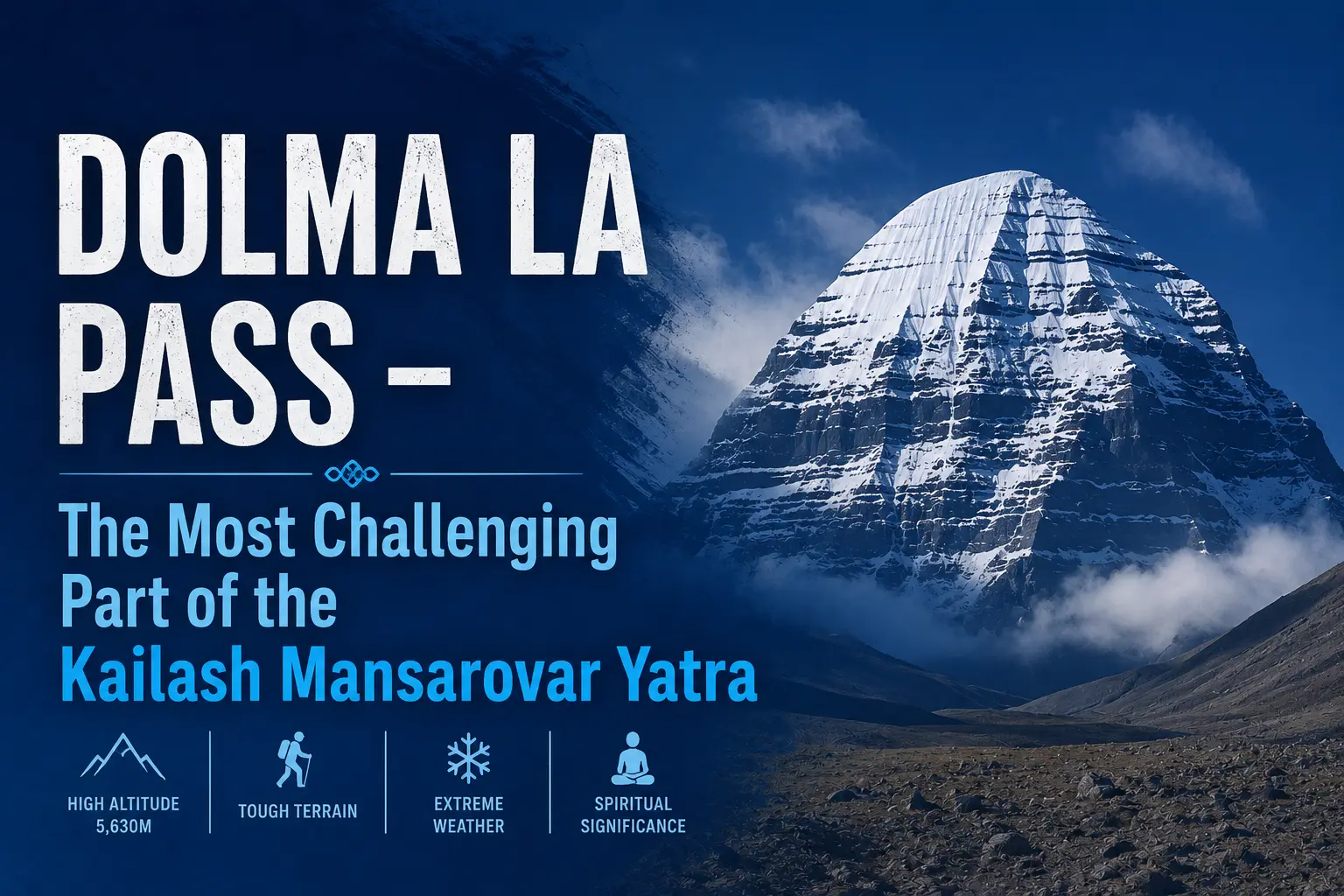
Dolma La Pass is the highest and most challenging point of the Kailash Kora, the sacred walking route around Mount Kailash in western Tibet. Sitting at an altitude of 5,630 meters (18,471 feet), it is a place that every pilgrim remembers long after the journey is over. For many people, reaching this high mountain pass is not just a physical achievement. It is also a deeply spiritual moment that gives the Kailash Mansarovar Yatra its true meaning.
The Kailash Kora is usually completed over three days, and the day of crossing Dolma La Pass is considered the hardest. Pilgrims begin walking early in the morning while it is still dark or just before sunrise. The trail climbs steadily over rocky paths, with thin air making every step feel slower than usual. Because of the high altitude, people often take short breaks, walk at a comfortable pace, and focus on breathing steadily. Although the climb is difficult, many travelers say the peaceful surroundings and the view of the snow-covered mountains give them the strength to continue.
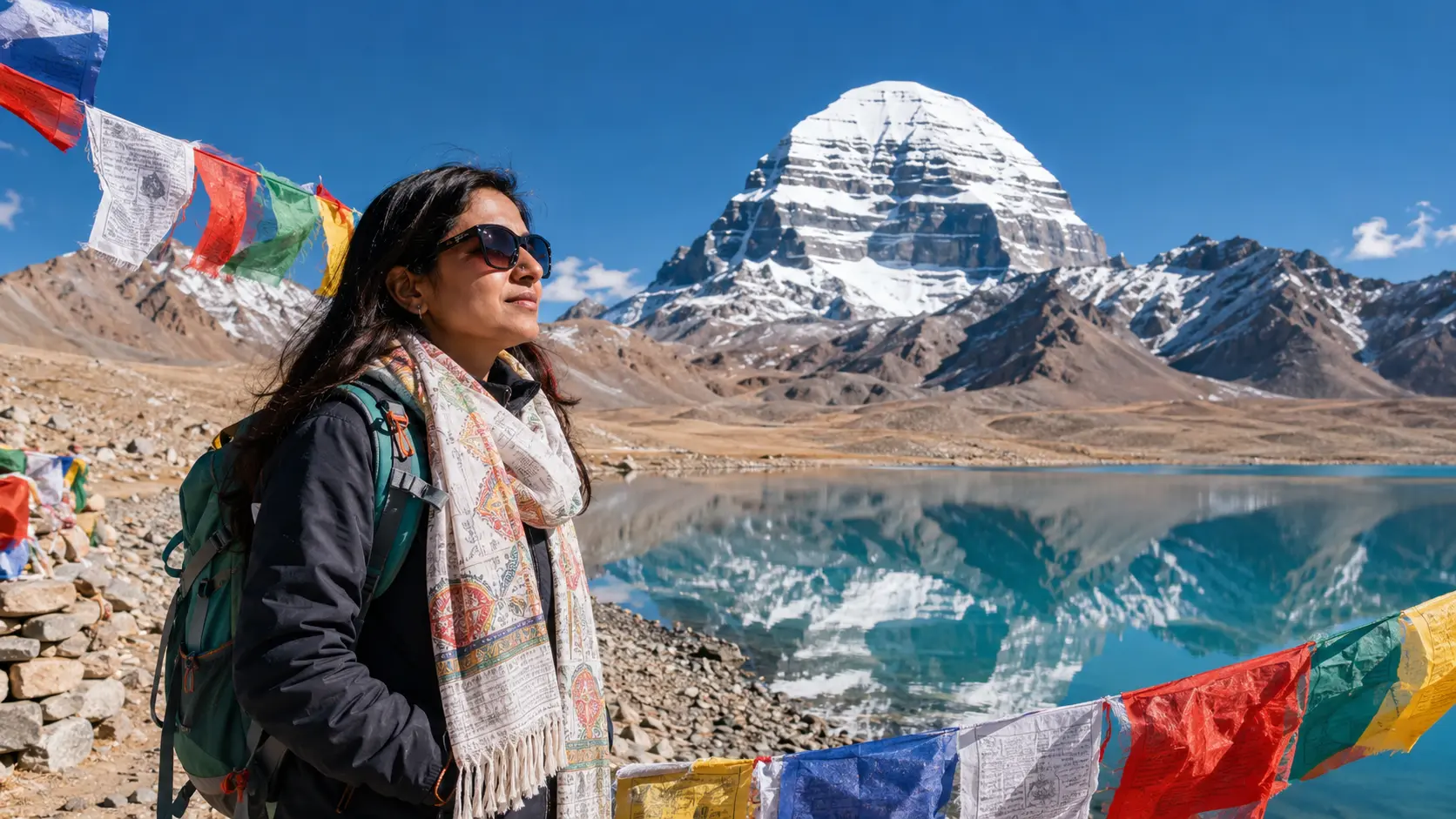
One reason why every pilgrim talks about Dolma La Pass is the mix of physical effort and spiritual emotion. Reaching the top after hours of climbing brings a strong sense of accomplishment. Many people stop for a few moments to rest, pray, or simply enjoy the beautiful Himalayan landscape. Colorful prayer flags flutter in the mountain wind, creating a peaceful atmosphere that leaves a lasting impression on visitors from around the world.
The pass is also one of the most sacred places along the Kailash Kora. In Hinduism, it is connected with Goddess Parvati, who is also known as Dolma in Tibetan Buddhist tradition. Buddhists believe the pass represents a journey of spiritual renewal, where people leave behind negative thoughts and begin a fresh chapter in life. This shared spiritual meaning makes the place special for followers of different faiths who travel together with the same purpose.
Even though Dolma La Pass is the toughest part of the Kailash Mansarovar Yatra, it is also the most rewarding. The combination of high mountains, ancient traditions, and personal determination makes this day unforgettable. Pilgrims often describe it as the moment when the journey becomes more than a trek through the Himalayas. It becomes a meaningful experience that stays in their hearts for many years. Whether someone visits for religious reasons, personal reflection, or adventure, crossing this high mountain pass becomes one of the most memorable highlights of the entire pilgrimage.
Why Is Dolma La Pass the Most Difficult Part of the Kailash Mansarovar Yatra?
Many people say that crossing Dolma La Pass is the most challenging part of the Kailash Mansarovar Yatra. This is because it combines high altitude, a long day of trekking, steep mountain trails, and changing weather. Even experienced trekkers respect this section of the journey. For first-time pilgrims, understanding these challenges before the trip can help them prepare both physically and mentally.
The biggest challenge is the high altitude. Dolma La Pass stands at 5,630 meters (18,471 feet), where the air contains much less oxygen than at lower elevations. As a result, even a slow walk can feel tiring. Some people notice that they become short of breath after only a few steps, while others may feel tired more quickly than expected. Walking slowly, taking regular breaks, and allowing enough time for acclimatization are important ways to adjust to the altitude.
The trekking day itself is also longer than the other days of the Kailash Kora. Pilgrims usually start walking early in the morning, often before sunrise, to make the most of stable weather conditions. The trail climbs steadily for several hours before reaching the top of the pass. After crossing the highest point, there is still a long descent to the next campsite. This means many people spend most of the day on the trail, making it the longest and most demanding day of the pilgrimage.
The path leading to Dolma La Pass is rocky and uneven in many places. Large stones, loose gravel, and narrow mountain paths require careful footing. During some parts of the climb, the trail becomes steeper, and every step takes extra effort because of the thin air. Trekking poles can provide better balance and reduce pressure on the knees, especially during the descent.
Weather is another reason why this day feels more difficult. Temperatures are often very cold, especially in the early morning. Strong mountain winds can make it feel even colder. Even during the normal trekking season, light snowfall is possible at higher elevations. Because weather in the Himalayas can change quickly, pilgrims should wear warm layers and carry waterproof clothing to stay comfortable throughout the day.
Crossing Dolma La Pass is not only a physical challenge but also a mental one. There may be moments when the climb feels slow or tiring, but staying patient and keeping a steady pace makes a big difference. Listening to your guide, drinking enough water, and avoiding the temptation to rush can help you complete the journey more comfortably.
Although this is the toughest day of the Kailash Mansarovar Yatra, there is no need to feel discouraged. Every year, thousands of pilgrims from different age groups successfully cross Dolma La Pass. With proper preparation, good fitness, enough acclimatization, and the support of experienced guides, most travelers complete this important part of the pilgrimage safely and continue their journey with confidence.
What to Expect on the Day You Cross Dolma La Pass
The day you cross Dolma La Pass is often the most memorable part of the Kailash Mansarovar Yatra. It is a day that begins early, tests your patience and determination, and rewards you with beautiful mountain views and a deep sense of achievement. Knowing what to expect can help you feel more confident and enjoy the experience at your own pace.
Most groups begin walking before sunrise. Starting early gives pilgrims enough time to cross the high pass while the weather is usually more stable. The morning air is cold, so wearing warm layers, gloves, and a hat is important. After a light breakfast, everyone starts walking slowly toward the highest point of the Kailash Kora. The trail climbs steadily, and the thin mountain air means you will need to walk at a comfortable pace instead of rushing.
One of the most important things to remember is that this is not a race. Almost everyone walks slowly because of the altitude. Your guide will encourage the group to keep a steady rhythm and take frequent short breaks whenever needed. These short rests allow you to catch your breath, drink water, and enjoy the peaceful surroundings. Even strong trekkers move more slowly at this elevation, so there is no need to compare yourself with others.
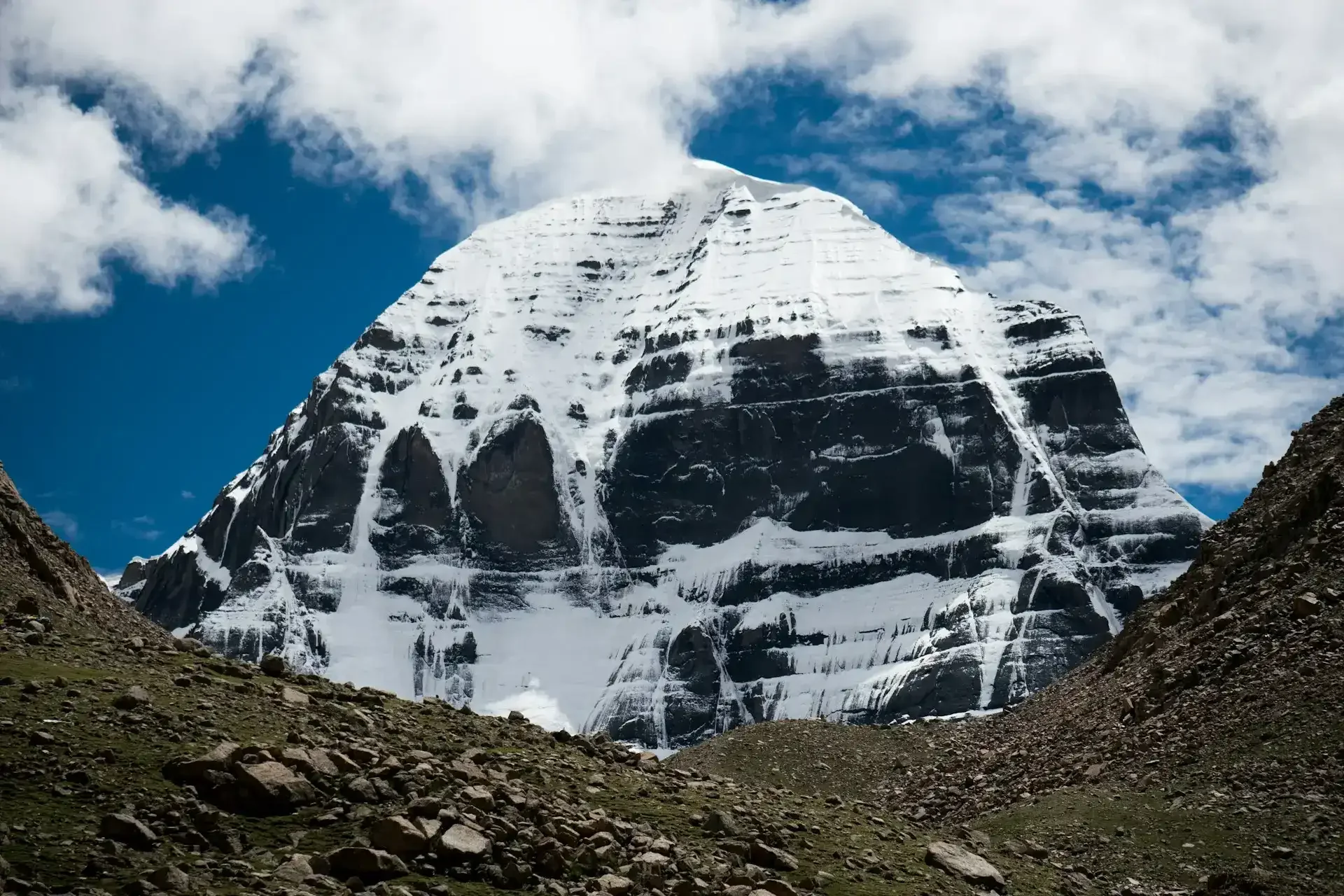
As you continue climbing, the landscape becomes more dramatic. Snow-covered peaks, rocky hillsides, and wide mountain valleys create unforgettable views. The quiet atmosphere of the Himalayas adds to the feeling that this is more than just a mountain walk. Every step brings you closer to one of the most sacred places on the pilgrimage.
Reaching the top of Dolma La Pass is a special moment. The summit is marked by colorful prayer flags that flutter in the strong mountain wind. Many pilgrims stop here for a few minutes to pray, offer silent thanks, or simply take in the beauty of the surroundings. Because of the high altitude and cold weather, groups usually do not stay at the top for very long before beginning the descent.
As you walk downhill, you will pass the sacred Gauri Kund, a small turquoise lake below the pass. According to Hindu tradition, this lake is closely connected with Goddess Parvati and is considered a holy place by many pilgrims. Depending on the weather and trail conditions, you may be able to see its clear blue water from above as you continue your descent.
The journey is not over after crossing the pass. A long downhill walk leads to the overnight stop, and this part of the trail can also be tiring because of loose rocks and uneven ground. Trekking poles can make the descent more comfortable and help reduce pressure on your knees. By the time you reach the campsite, you will have completed the most demanding day of the Kailash Mansarovar Yatra. Many pilgrims describe this day as a meaningful journey that brings together physical effort, spiritual reflection, and the unforgettable beauty of the Himalayas.
How to Prepare for Crossing Dolma La Pass
Good preparation can make your journey across Dolma La Pass safer, easier, and more enjoyable. While this is the most challenging day of the Kailash Mansarovar Yatra, you do not need to be a professional trekker to complete it. Many first-time pilgrims successfully cross the pass every year because they prepare well before the trip and follow the advice of their guides.
One of the best ways to prepare is by improving your fitness several weeks before your journey. Regular walking is a simple and effective exercise that helps build stamina. Try to walk for 30 to 60 minutes most days of the week. If you have access to hills or stairs, include them in your routine. Climbing uphill helps strengthen your legs and prepares your body for the steady ascent to Dolma La Pass. You do not need intense workouts, but staying active before the trip will make a noticeable difference.
Drinking enough water is another important part of preparation. Staying hydrated helps your body adjust better to high altitude. Begin building the habit of drinking water regularly before your journey and continue doing so throughout the pilgrimage. It is also helpful to avoid drinking too much alcohol before and during the trek, as it can make dehydration and altitude-related problems more likely.
Proper acclimatization is one of the most important factors for a successful crossing. Your itinerary is designed to give your body time to adjust to higher elevations. Avoid skipping acclimatization days, even if you feel well. Giving your body enough time to adapt can reduce the risk of altitude sickness and help you feel stronger on the day you cross the pass.
Packing the right clothing is equally important. Weather in the high Himalayas can change quickly, so dressing in layers allows you to adjust to different temperatures during the day. Wear warm base layers, a windproof and waterproof outer jacket, comfortable trekking pants, gloves, a warm hat, and good trekking boots with proper grip. This helps keep you comfortable from the cold morning start until you reach the campsite.
Many pilgrims also find trekking poles very useful. They improve balance on rocky trails and reduce pressure on your knees during long climbs and steep descents. If you have never used trekking poles before, practice with them before your trip so they feel comfortable on the trail.
Eating enough food is another simple but important step. Your body needs energy to walk at high altitude, so eat balanced meals that include carbohydrates, protein, and healthy snacks. Even if your appetite becomes smaller at higher elevations, try to eat enough to maintain your energy throughout the day.
On the trekking day, listen carefully to your guide and follow their instructions. Experienced guides understand the trail, weather, and pace needed for a safe crossing. Walk slowly, take steady steps, and do not rush to reach the top. A comfortable pace helps you save energy and adjust better to the altitude. Preparing both your body and your mindset before crossing Dolma La Pass will help you enjoy this important part of the Kailash pilgrimage with greater confidence.
Safety Tips for Crossing Dolma La Pass
Crossing Dolma La Pass is one of the biggest highlights of the Kailash Mansarovar Yatra, but it also requires careful attention to your health and safety. The high altitude, cold weather, and long trekking day make it important to stay alert and make good decisions throughout the journey. A few simple precautions can help you have a safer and more comfortable experience.
One of the first things to watch for is the signs of altitude sickness. Because Dolma La Pass is located at 5,630 meters (18,471 feet), the amount of oxygen in the air is much lower than at sea level. Some pilgrims may develop symptoms such as a headache, dizziness, nausea, unusual tiredness, or shortness of breath. These symptoms should never be ignored. If you begin to feel unwell, tell your guide immediately. Early action can prevent the condition from becoming more serious.
It is also important to stay with your group during the trek. Walking alone can make it difficult to get help if you become tired or experience health problems. Your guide and support team know the route well and understand how to manage high-altitude conditions. Following their instructions, including when to rest, drink water, or continue walking, will help keep everyone safe along the trail.
Keep any personal medicines and emergency medication in a place where you can reach them easily. If your doctor has recommended medicine for altitude sickness or other health conditions, carry it in your daypack instead of your main luggage. It is also useful to bring basic first aid items such as bandages, pain relief medicine, and blister care supplies for minor problems that may occur during the trek.
Weather at high altitude can change quickly, so dressing properly is essential. Wear warm layers, gloves, a hat, and a windproof jacket to protect yourself from cold temperatures and strong mountain winds. Even if the morning feels comfortable, conditions can become much colder as you climb higher. Keeping your hands and body warm helps you stay comfortable and maintain your energy.
Strong sunlight is another challenge at high altitude. The sun’s rays are more intense in the mountains, and sunlight reflected from snow can increase the risk of sunburn. Wear sunglasses with UV protection, apply sunscreen to exposed skin, and use a hat or cap to protect your face. These simple steps can prevent discomfort during the long day of walking.
Try not to push yourself beyond your limits. Walk at a steady pace, take regular breaks, and drink water throughout the day. Many people make the mistake of walking too fast at the beginning, only to become exhausted later. Saving your energy is much more effective than trying to reach the top quickly.
Mountain weather is never fully predictable. Snow, strong winds, or sudden changes in conditions may require your guide to adjust the day’s plan. Be flexible and trust their decisions, as they are made with your safety in mind. When crossing Dolma La Pass, reaching the destination safely is always more important than how fast you get there.
Is Crossing Dolma La Pass Worth It?
For many pilgrims, crossing Dolma La Pass becomes the most meaningful part of the Kailash Mansarovar Yatra. While it is the most physically demanding day of the journey, it is also the day that brings the greatest sense of achievement. Every step taken toward the highest point of the Kailash Kora reminds pilgrims why they chose to make this sacred journey in the first place.
The spiritual meaning of this mountain pass is one of the main reasons people travel from around the world to experience it. In both Hinduism and Buddhism, the pass represents a place of renewal and inner change. Many pilgrims believe that crossing Dolma La Pass is a symbolic way of leaving behind negative thoughts, past burdens, and personal struggles while moving forward with hope and a fresh outlook on life. Whether someone visits for religious reasons or personal reflection, reaching the top often becomes a deeply emotional moment.
There is also a strong sense of personal achievement. Walking at an altitude of 5,630 meters (18,471 feet) is not easy, especially after several hours of climbing through rocky mountain trails. When pilgrims finally reach the prayer flags at the summit, they often feel proud of what they have accomplished. The experience is not about walking the fastest or being the strongest. It is about staying patient, taking one step at a time, and reaching the pass with determination.
The scenery around the pass makes the journey even more special. Snow-covered peaks, wide valleys, colorful prayer flags, and the peaceful silence of the Himalayas create unforgettable memories. During the descent, many pilgrims enjoy views of the sacred Gauri Kund, adding another meaningful highlight to the day. The natural beauty of this remote region makes every part of the journey feel unique.
Many travelers also speak about the personal transformation they experience after crossing the pass. The challenges of high altitude, changing weather, and long hours of walking often teach valuable lessons about patience, resilience, and gratitude. Completing this demanding section of the pilgrimage gives many people greater confidence, not only for the rest of the journey but also for life after returning home.
It is common to hear returning pilgrims describe this as the most memorable day of the Kailash Mansarovar Yatra. The combination of spiritual importance, breathtaking mountain landscapes, and personal determination creates an experience that stays with them for many years. Even though the day is challenging, careful preparation, proper acclimatization, and guidance from an experienced support team make the journey much more comfortable and enjoyable.
If you are planning your own pilgrimage, learning about each stage of the journey will help you travel with greater confidence. You can also read our complete Mount Kailash Mansarovar Yatra Guide (2027) to understand the full itinerary, best time to visit, permits, preparation tips, and everything you need to know before beginning this once-in-a-lifetime journey.
Frequently Asked Questions About Dolma La Pass
What is the altitude of Dolma La Pass?
Dolma La Pass is located at an altitude of 5,630 meters (18,471 feet) above sea level. It is the highest point of the Kailash Kora and the most challenging section of the Kailash Mansarovar Yatra. Because of the high elevation, the air contains less oxygen, making it important to walk slowly and allow enough time for acclimatization.
How difficult is Dolma La Pass?
Dolma La Pass is considered the toughest part of the Kailash Mansarovar Yatra. The trail includes a steep uphill climb, rocky terrain, high altitude, and a long day of walking. However, thousands of pilgrims successfully cross the pass every year by preparing well, following their guide’s advice, and maintaining a steady pace.
Can beginners cross Dolma La Pass?
Yes, beginners can cross Dolma La Pass if they are in good general health and prepare before the trip. Regular walking, light fitness training, and proper acclimatization during the journey help first-time pilgrims complete the pass safely. Traveling with an experienced guide and support team also makes the experience much easier.
How long does it take to cross Dolma La Pass?
The day of crossing Dolma La Pass usually takes around 8 to 10 hours, depending on the group’s pace, weather conditions, and individual fitness. Pilgrims start early in the morning and continue to the next overnight stop after crossing the highest point of the Kailash Kora.
Is there enough oxygen at Dolma La Pass?
Yes, there is oxygen at Dolma La Pass, but the oxygen level is much lower than at lower elevations because of the high altitude. This is why many people feel tired more quickly or become short of breath while climbing. Walking slowly, drinking enough water, and acclimatizing properly help your body adjust to the thinner air.
What should I carry while crossing Dolma La Pass?
Carry warm layered clothing, waterproof outerwear, comfortable trekking boots, gloves, a warm hat, sunglasses, sunscreen, a reusable water bottle, energy snacks, trekking poles, personal medicines, and a small daypack. These essential items help keep you comfortable and prepared for changing mountain weather during the crossing.